
Understanding the Importance of Screen Time Management
The Impact of Excessive Screen Time on Child Development
In today’s digital age, screens are everywhere—phones, tablets, televisions, and computers dominate much of our daily lives. For children, too much screen time can impact various areas of development. Beyond just affecting their eyesight, excessive screen exposure has been linked to challenges with attention, sleep disruption, and even delayed social skills. Young brains are highly sensitive to the stimuli they receive, so an overload of fast-moving images and constant notifications can make it harder for kids to focus on other important tasks, like reading or playing.

Benefits of Balanced Screen Usage
That said, screen time isn’t inherently bad. When managed thoughtfully, technology can offer valuable educational content, foster creativity, and even connect children with family and friends. Balanced screen use helps children develop digital literacy, critical thinking, and learn new skills in a fun, engaging way. It’s all about moderation and ensuring the time spent on screens complements other essential activities like physical play and face-to-face interaction.
Setting Clear and Realistic Screen Time Limits
Age-Appropriate Guidelines for Screen Exposure
Setting limits tailored to a child’s age makes managing screen time much more effective. For toddlers and preschoolers, short and purposeful screen sessions focused on educational content can be beneficial. Older children can handle longer durations but still need boundaries to prevent overuse. The key is to be realistic—expecting a teenager to follow the same rules as a kindergartener often leads to frustration for both sides.
Creating a Family Media Plan
Developing a family media plan helps unify expectations and provides a clear framework for everyone. This doesn’t have to be a rigid contract but rather a flexible guide that outlines when, where, and how screens can be used. Including the entire family in this conversation ensures shared responsibility and reduces confusion. When children understand the “why” behind the rules, they are more likely to respect them.
Engaging Children in the Decision-Making Process
How to Discuss Screen Time Without Conflict
Screen time discussions often lead to arguments, so approaching the topic with empathy and openness is crucial. Instead of imposing rules, try asking your child how they feel about their screen use. Listening first shows respect and can help uncover underlying reasons for excessive use, like boredom or stress. Framing the conversation around mutual goals rather than restrictions can turn a potential battle into a team effort.
Involving Kids in Setting Their Own Goals
Empowering children to help set their own screen time goals encourages responsibility. When kids contribute to the decision, they feel ownership and are more motivated to stick to the limits. Start by exploring what activities they enjoy on screens and what other interests they might want to develop. Together, you can create achievable goals that balance digital fun with offline experiences.
Alternative Activities to Replace Excessive Screen Use
Encouraging Outdoor Play and Physical Activities
One of the most effective ways to reduce screen time is by offering appealing alternatives. Outdoor play not only supports physical health but also improves mood and social skills. Whether it’s a casual bike ride, a game of tag, or a nature walk, physical activities provide natural stimulation that screens can’t mimic. Making these outings a regular part of the day helps create a healthy routine.
Promoting Creative and Educational Hobbies
Besides physical activity, nurturing creativity through hobbies like drawing, reading, or building projects can engage a child’s imagination and curiosity. These activities often lead to a sense of accomplishment and reduce reliance on screens as the primary source of entertainment. Encouraging learning through puzzles, music, or science kits makes screen breaks productive and fun, balancing out the digital time.
Utilizing Technology to Support Screen Time Management
Apps and Tools for Monitoring Usage
It might seem ironic, but technology itself can help manage screen time. There are numerous apps designed to track how long children spend on devices and even block access after set limits are reached. These tools provide parents with insights and create gentle boundaries without needing to hover constantly. When used properly, monitoring technology can serve as a supportive aid rather than a strict enforcer.
Parental Controls Without Being Overbearing
Using parental controls wisely is a balancing act. The goal is to guide rather than control, allowing children some freedom while keeping them safe. Setting controls that limit app usage or screen time during specific hours creates clear boundaries, but it’s important to explain the reasoning behind these limits. Overly restrictive controls can backfire, causing frustration or secretive behavior.
Building a Screen-Free Routine
Designing Daily Schedules That Include Tech Breaks
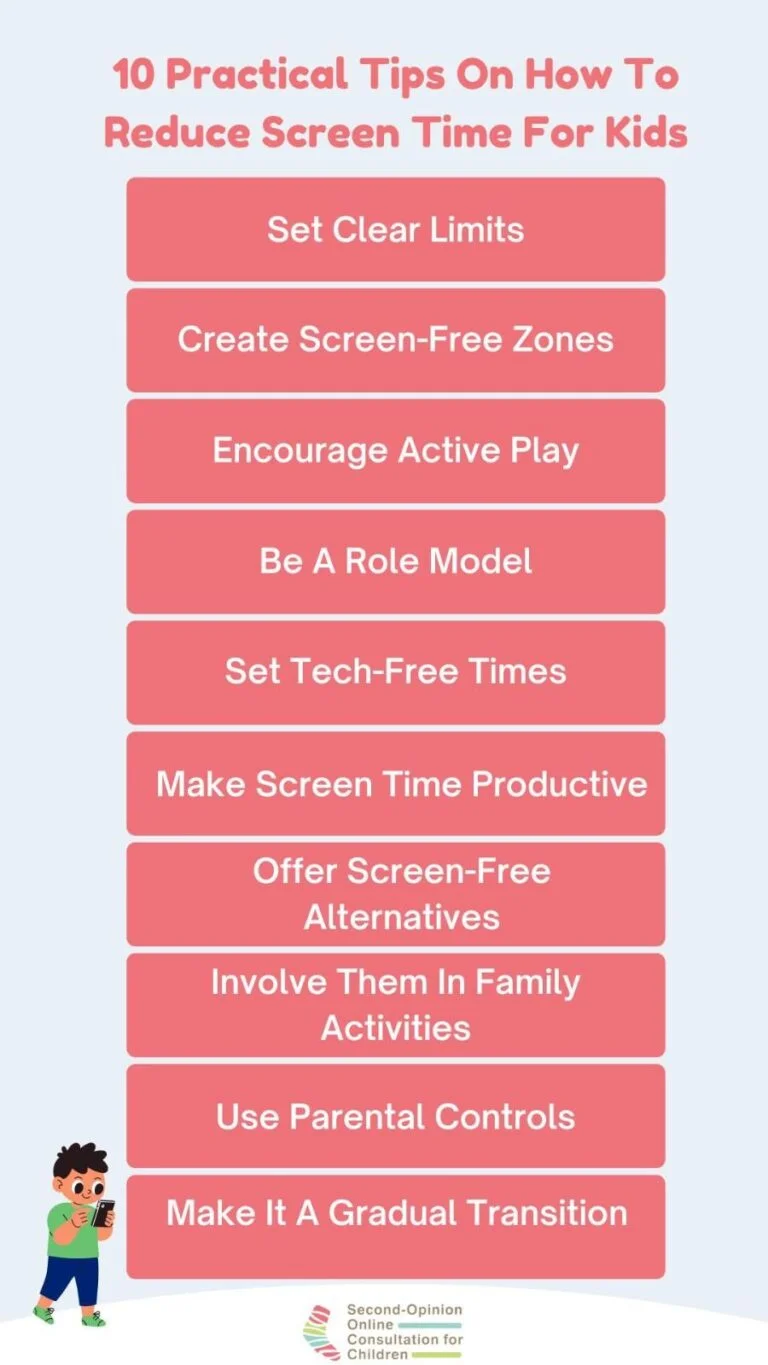
Incorporating screen breaks into a daily schedule encourages kids to step away from devices without feeling punished. For example, setting specific times for homework, meals, playtime, and reading helps children anticipate tech-free moments. Consistency is key—routines create predictability, which children often find comforting and fair.
Establishing Screen-Free Zones in the Home
Designating certain areas of the house as screen-free zones, like the dining room or bedrooms, promotes healthier habits and family interaction. Having spots where devices are off-limits encourages conversation, sharing meals, and restful sleep. These spaces act as natural boundaries and remind everyone that not all parts of the day should revolve around screens.
Positive Reinforcement Techniques
Reward Systems That Motivate Healthy Screen Habits
Positive reinforcement goes a long way in shaping behavior. Instead of focusing solely on restrictions, celebrating when kids stick to limits encourages them to continue. Small rewards, such as extra playtime or a favorite activity, can motivate children to regulate their screen use willingly. This approach feels more supportive than punitive.
Celebrating Progress Without Pressure
It’s essential to acknowledge progress, no matter how small, without adding pressure. Kids respond well to encouragement that emphasizes effort, not perfection. Recognizing their commitment to balanced screen time builds confidence and helps make healthy habits a natural part of their lives. Over time, these small wins add up to lasting change.


