
Introduction to Serving Sizes: What They Really Mean
Defining Serving Size vs. Portion Size
Imagine you’re sitting down with a bag of chips. You might think that enjoying the whole bag is just one snack, but the nutrition label might say that a serving size is just a handful. A serving size is a standardized amount defined by regulatory bodies like the FDA to help consumers understand the nutritional content per typical consumption unit. In contrast, a portion size is the actual amount of food you choose to eat. These two can differ significantly, leading to confusion about how much you’re truly consuming.
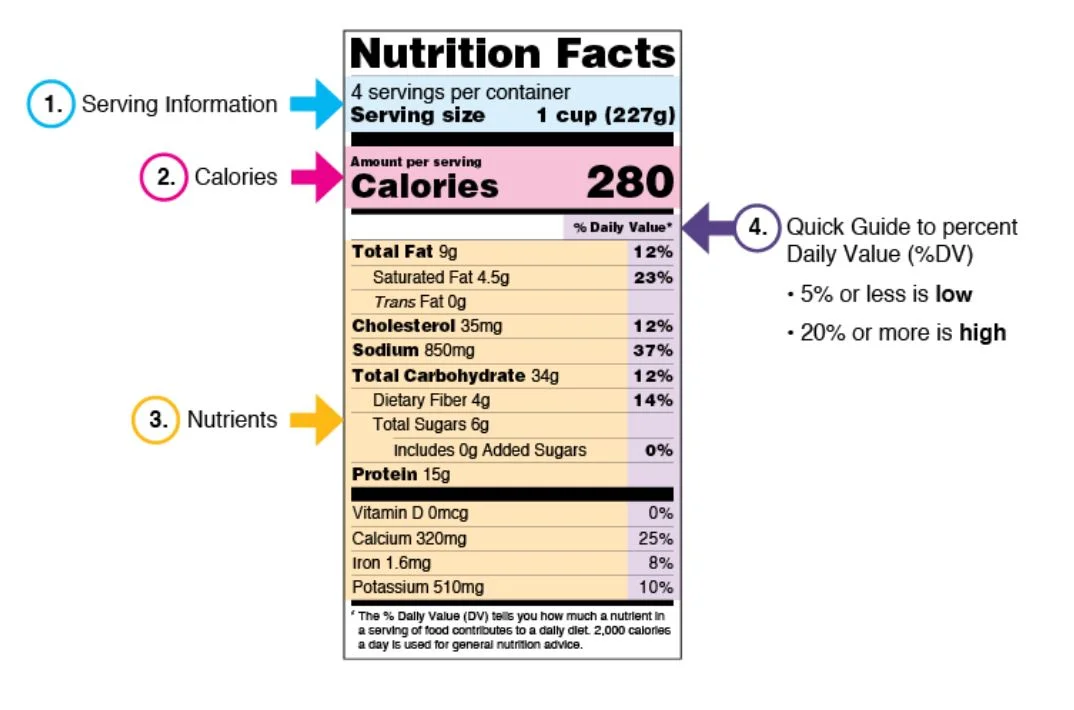
Why Serving Sizes Matter for Nutrition
Understanding serving sizes isn’t just a detail for health enthusiasts; it’s crucial for anyone who wants to make informed dietary choices. If you skip over this and assume the entire package equals one serving, you might unintentionally double or triple your calorie intake, which adds up over time. Serving sizes provide a baseline to measure calories, fats, sugars, and other nutrients, empowering you to maintain better control over your diet and avoid hidden overeating triggers.
How to Read Nutrition Labels Effectively
Locating the Serving Size on Packaging
Next time you pick up a snack or ready-made meal, look closely at the nutrition label. The serving size is usually prominently displayed at the top of the panel. It might say something like “Serving Size: 1 cup (150g)” or “Serving Size: 2 crackers.” Sometimes, packaging uses volume measures like cups, tablespoons, or pieces. Recognizing this helps you compare your consumption to the standard amount and adjust accordingly.
Interpreting Calories and Nutrients Per Serving
Once you know the serving size, the next step is to check the calories and nutrient values listed per serving. For example, a yogurt container might list 120 calories per serving, but if that serving is only half the container and you eat the whole thing, you’ve actually consumed 240 calories. This principle applies to fats, sodium, sugars, and other ingredients crucial for health monitoring. Understanding this helps avoid common pitfalls where people underestimate their intake because they didn’t multiply calories by the number of servings they ate.
Common Misconceptions About Serving Sizes
Myth: One Package Equals One Serving
One of the most widespread misunderstandings is assuming the entire package is a single serving. For example, a small bag of trail mix might look like a snack-sized portion but actually contains two or three servings. This misconception has caused many to unintentionally consume excess calories. A friend of mine once complained about rapidly gaining weight until she realized she was eating the whole family-sized bag marked as multiple servings.
How Serving Sizes Differ Between Brands
Serving sizes vary across different brands and products. Even for similar items, one brand might list a serving size as 30g while another sets it at 50g. This inconsistency can make it tricky to compare products or maintain consistent eating habits. It’s helpful to develop a habit of checking the serving size rather than relying on package appearance or brand familiarity. For those tracking macros or calories, this small step ensures more accurate intake records.
Impact of Misreading Serving Sizes on Eating Habits
Unintentional Overeating and Weight Gain
Misreading or ignoring serving sizes often leads to unintentional overeating. When people consume multiple servings without realizing it, calorie intake balloons beyond daily recommendations. Over time, this can contribute to gradual weight gain and increased risk of chronic diseases. A practical example is ordering a frozen meal labeled with nutritional info per half the tray, while most people eat the entire meal in one sitting, effectively doubling all the calories and nutrients.
Tracking Food Intake Accurately
For those who maintain food diaries or use apps to track their diet, ignoring serving sizes distorts the data and limits a food journal’s usefulness. If the serving size indicates a quarter-cup of cereal but you pour a full cup, your calorie count will be off by a factor of four if you don’t adjust. Practicing precision and honesty with your servings not only sharpens awareness but also helps to identify patterns in overeating, supporting more effective nutritional decisions.
Tips for Managing Serving Sizes in Daily Life
Using Measuring Tools and Visual Cues
To get a realistic sense of serving sizes, using kitchen measuring cups, spoons, or a food scale can be lifesaving. If you’re out and about, visual cues like comparing a serving of meat to the size of your palm or a serving of pasta to a tennis ball can guide portion control. For instance, measuring out a bowl of cereal and realizing it’s much less than your usual pour helps recalibrate your habits gradually and sustainably.
Adjusting Serving Sizes Based on Personal Needs

Recognize that serving sizes on packages are general guidelines and may not exactly fit your dietary needs. If you’re very active or have specific medical conditions, you might need to adjust your intake. For example, athletes often require larger portions of carbohydrates and protein. Personalizing serving sizes safely involves consulting with a nutritionist or healthcare provider, but being aware of the baseline serving size provides a starting point for those adjustments.
Role of Serving Sizes in Dietary Planning
Building Balanced Meals
Understanding serving sizes simplifies meal planning and helps create balanced meals rich in necessary nutrients without excess calories. Consider a plate where protein, vegetables, and grains each have their recommended servings; this structure offers a framework for nutritional balance that supports overall health. For example, knowing that a serving of cooked rice is half a cup helps prevent piling on extra carbs that could push calorie counts higher than intended.
Incorporating Serving Size Awareness into Weight Management
Serving size awareness is a cornerstone in maintaining or losing weight effectively. Awareness helps control calorie intake without the need for restrictive dieting. For instance, someone trying to lose weight might still enjoy treats like chocolate but by limiting themselves to one serving size instead of the whole bar, they can satisfy cravings without sabotaging progress. This mindful approach is practical, sustainable, and psychologically supportive in lifestyle changes.


