
Understanding Memory and Language Acquisition
The Science Behind Memory Retention
Memory is at the core of every learning process, and language acquisition is no exception. In simple terms, memory involves encoding, storing, and retrieving information. When learning a new language, your brain continuously processes new sounds, vocabulary, grammar, and context. Understanding how memory works can help shape your study habits and improve retention. For example, the brain is more likely to retain information when it is meaningful and emotionally engaging rather than when it’s presented as a random set of facts.
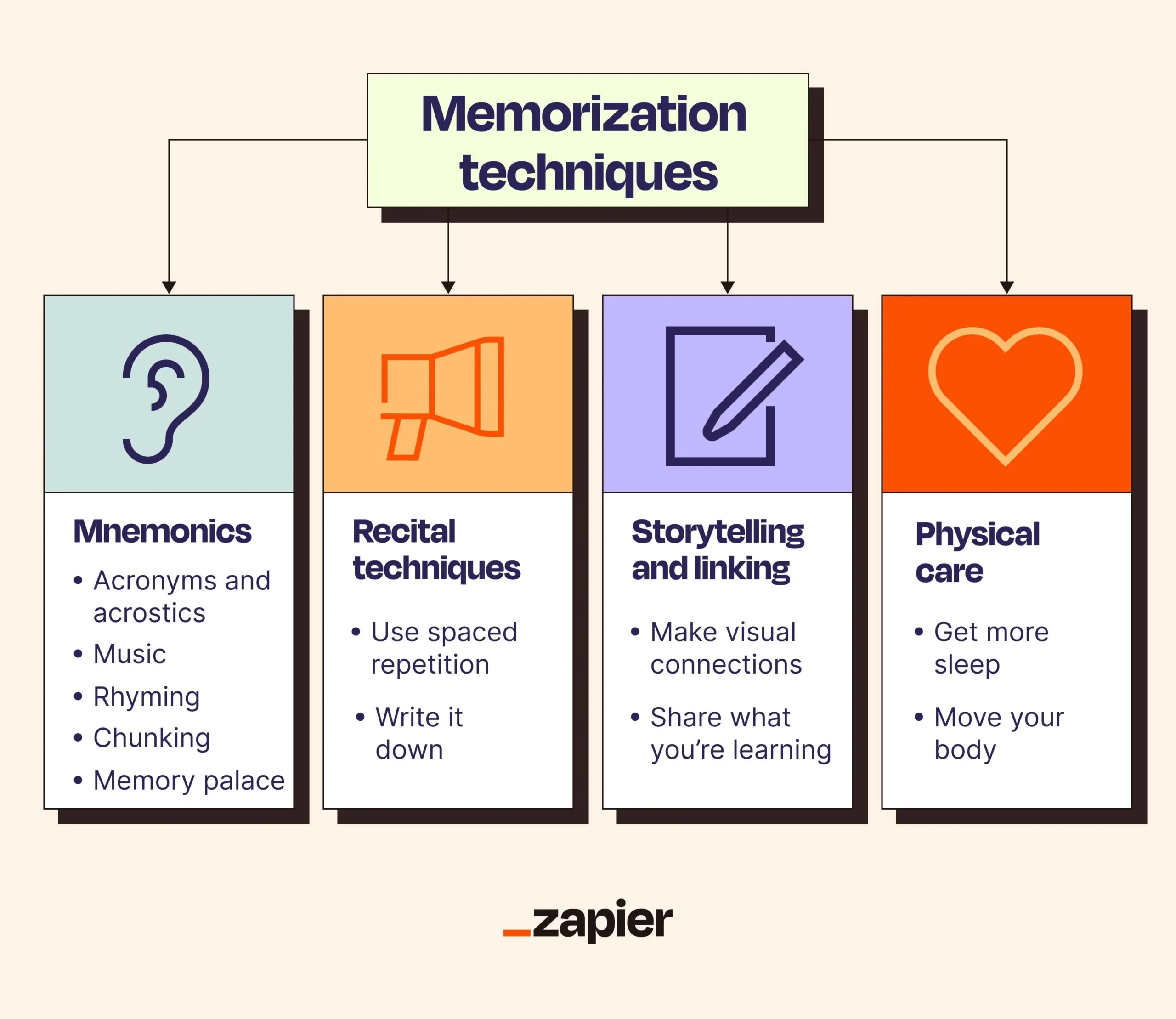
Additionally, different types of memory—such as short-term, long-term, and procedural memory—play unique roles in language learning. Procedural memory, which governs habits and automatic skills, is essential for speaking fluently, while declarative memory helps with remembering vocabulary and grammar rules. This scientific background is why techniques focusing on repetition and meaningful use can help solidify language knowledge more effectively.
How Memory Influences Language Learning Speed
Memory efficiency directly impacts how quickly you can learn a new language. If words, phrases, or grammatical rules don’t stick, progress slows and frustration grows. On the other hand, methods that enhance memory retention create a smoother learning curve, allowing you to build upon previous knowledge without constantly relearning material.
When memory is optimized, language learners can develop greater confidence and fluidity. This explains why some people seem to pick up languages rapidly—they often employ strategies that target memory consolidation, helping them recall and apply new information more effectively. Recognizing this connection can inspire learners to be more deliberate in their study approaches, focusing not just on exposure, but on retention.
Effective Techniques for Enhancing Memory Retention
Mnemonic Devices Tailored for Language Learners
Mnemonic devices are powerful tools that turn complex or unfamiliar information into something easier to remember. For language learners, this can mean associating new vocabulary with vivid images, creating acronyms for grammar rules, or inventing stories that link words in creative ways. These memory aids rely on the principle that our brains recall information better when it’s linked to something familiar or visually striking.
For example, if you’re trying to learn the Spanish word for “butterfly” (mariposa), you might picture a butterfly wearing a “maroon pose” to make the word stick. Such quirky connections make the language feel less abstract and more memorable, especially when repeated regularly.
Spaced Repetition Systems (SRS) and Their Benefits
Spaced repetition is one of the most effective ways to commit new language material to long-term memory. It works by reviewing information at increasing intervals over time, which helps combat the natural forgetting curve. Rather than cramming vocabulary all at once, learners revisit words and concepts just as they’re about to forget them, reinforcing retention gradually.
Many successful language programs integrate SRS because it is backed by strong scientific evidence. Using this method, you can make your study sessions more efficient and avoid wasting time on material you already know well. It’s a strategy that prioritizes quality of review over quantity, making your memory efforts more sustainable.
Chunking Vocabulary and Grammar Structures
Chunking is the process of breaking down language material into manageable, meaningful units—like phrases or common sentence structures—instead of isolated words. By learning chunks, you train your brain to recognize patterns, which speeds up both comprehension and production. This approach mirrors how native speakers think; they often process language in chunks rather than individual vocabulary items.
For example, instead of memorizing the words “I,” “am,” and “hungry” separately, focus on the phrase “I am hungry” as one unit. This helps in recalling not only the vocabulary but also the correct grammatical order, which improves your overall fluency.
Practical Daily Habits to Boost Language Retention
Active Recall Practices in Everyday Learning
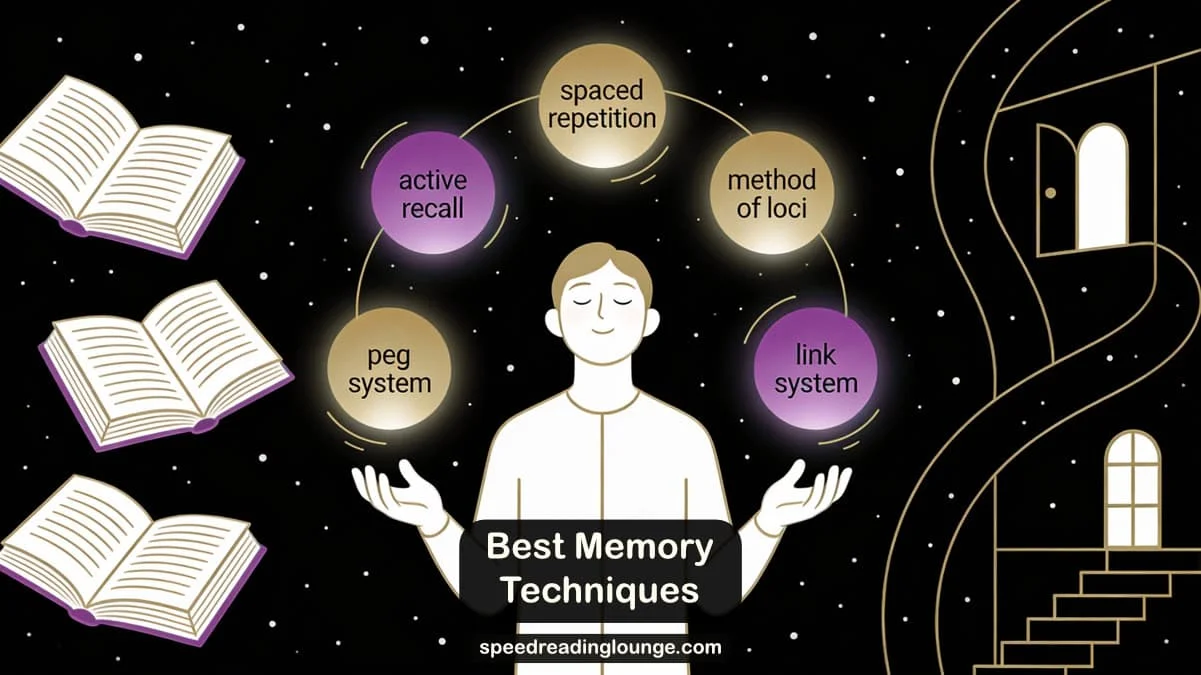
Active recall is all about testing yourself rather than passively re-reading or listening. It forces your brain to pull information from memory, strengthening neural pathways. Engaging in daily active recall, such as trying to speak a new phrase aloud or writing down vocabulary from memory, makes a substantial difference over time.
Instead of simply flipping through flashcards, challenge yourself to produce language spontaneously. This might feel harder initially, but it’s precisely this effort that solidifies retention and pushes your abilities further.
Integrating Language Use in Real-Life Contexts
Language truly sticks when used in real situations. Whether it’s chatting with a native speaker, writing journal entries, or thinking in the target language throughout the day, immersion activates multiple memory systems and deepens understanding. Even simple daily interactions, like ordering food or reading signs, contribute to meaningful learning cycles.
Real-life context also provides emotional and situational cues that anchor language in your memory, making it less likely to be forgotten. The more authentic the experience, the stronger the retention.
The Role of Consistency and Short Study Sessions
Consistency beats marathon sessions every time. Regular, brief study periods form more reliable memory traces than irregular, lengthy cram sessions. Short daily habits—fifteen to thirty minutes—keep material fresh and avoid burnout, which is crucial for long-term retention.
Consistency also helps build momentum and turns language learning into a natural part of your routine. When you engage daily, your brain anticipates the activity and primes itself for memory storage, making recall smoother and faster.
Leveraging Technology for Memory Enhancement
Apps and Tools Designed for Language Memory Training
Technology has revolutionized language learning, bringing powerful tools to your fingertips. Apps like Anki, Memrise, and Duolingo incorporate spaced repetition, gamification, and personalized content to enhance memory retention. These platforms allow learners to practice anytime, anywhere, adapting to individual pace and preferences.
Using such apps can make the learning process more engaging. They also track progress automatically, providing valuable feedback and motivation to keep advancing. For those struggling with traditional memorization techniques, tech solutions offer accessible alternatives that cater to different learning styles.
Using Flashcards and Gamification Techniques
Flashcards remain a classic but effective method for reinforcing vocabulary and grammar points. When combined with gamification—adding elements like points, levels, and rewards—they become even more motivating. Gamified learning taps into our natural desire for challenge and accomplishment, which keeps learners coming back.
Regular, game-like interactions with flashcards turn repetition from a chore into a fun habit. This positive association boosts retention and encourages consistent practice, which are key ingredients for mastering a new language.
Specialized Strategies for Different Language Skills
Retaining Vocabulary Efficiently
Vocabulary acquisition is often the biggest hurdle in language learning. To tackle this effectively, focus on quality over quantity. Learn words in context and associate them with images or emotions. Revisiting these words frequently through speaking, writing, and listening helps embed them in your long-term memory.
Another important tip is to prioritize high-frequency words that come up most often in everyday conversation. This strategy ensures your vocabulary remains practical and immediately useful, reinforcing motivation as you see real-world improvement.
Memorizing Grammar Rules and Sentence Structures
Grammar can feel overwhelming, but breaking down rules into smaller, understandable chunks makes a huge difference. Use visual aids such as charts or color-coded notes to categorize patterns. Experiment with applying rules in writing or speaking exercises immediately to solidify knowledge.
Remember, understanding grammar is not just about memorization—it’s about recognizing patterns and function. Repeated exposure combined with meaningful practice helps convert declarative knowledge into automatic usage, freeing your mind for higher-level language tasks.
Improving Pronunciation Through Memory Techniques
Pronunciation is often neglected, yet it’s crucial for communication. Use memory strategies that focus on sounds and rhythm. For example, listen to native speakers, mimic their intonation, and record yourself. Associating sounds with physical sensations—like mouth positioning—can help make new phonemes feel more familiar and easier to reproduce.
Practicing tongue twisters or rhymes also strengthens muscle memory and auditory recognition, making pronunciation improvements stick longer. Integrating these techniques regularly ensures your spoken language becomes clearer and more natural.
Addressing Common Challenges in Language Memory Retention
Overcoming Forgetfulness and Learning Plateaus
Forgetfulness is a natural part of learning but can be frustrating. When progress stalls, it’s often a sign to adjust your methods. Revisit spaced repetition schedules, vary study materials, or incorporate more active recall. Sometimes, slowing down and reinforcing foundational concepts helps break through plateaus.
Remember, plateaus are temporary. Persistence and adaptation are essential. Changing up your routine and staying curious can re-energize your learning journey and improve memory retention over time.
Staying Motivated and Tracking Progress
Motivation is closely tied to how we perceive our progress. Keeping a language journal, setting small achievable goals, or celebrating milestones can sustain enthusiasm. Technology also offers progress trackers that visualize improvements, making effort feel rewarding.
Regular reflection on what’s working and what’s challenging helps you stay mindful and proactive in your learning strategy. When motivation is strong, memory retention tends to improve naturally because you’re more engaged and willing to put in consistent effort.


