
Understanding the Link Between Hydration and Energy
How Hydration Affects Cellular Function
Imagine your body as a complex city, where every cell is a busy worker. These cells rely heavily on hydration to perform their tasks efficiently. Water acts as the medium through which nutrients and oxygen are transported inside your body, and it helps flush out toxins. When you’re dehydrated, even mildly, the cells struggle to function properly, which can lead to feelings of fatigue and sluggishness. For example, a professional athlete who ignores their fluid intake during training often experiences muscle cramps and diminished performance, highlighting how essential proper hydration is at the cellular level.
The Role of Water in Energy Production
Energy production within the body is a biochemical process that occurs inside cells, specifically in the mitochondria. Water is a critical component for these biochemical reactions, including the conversion of glucose into usable energy. Without adequate hydration, these processes slow down, leaving you feeling drained. Picture a mid-afternoon at the office when your energy plummets—a simple glass of water accompanied by hydrating foods can jumpstart your energy production again, unlike a sugary snack which might only provide a temporary boost.
Top Hydrating Foods to Boost Your Day
Fruits with High Water Content and Energy Benefits
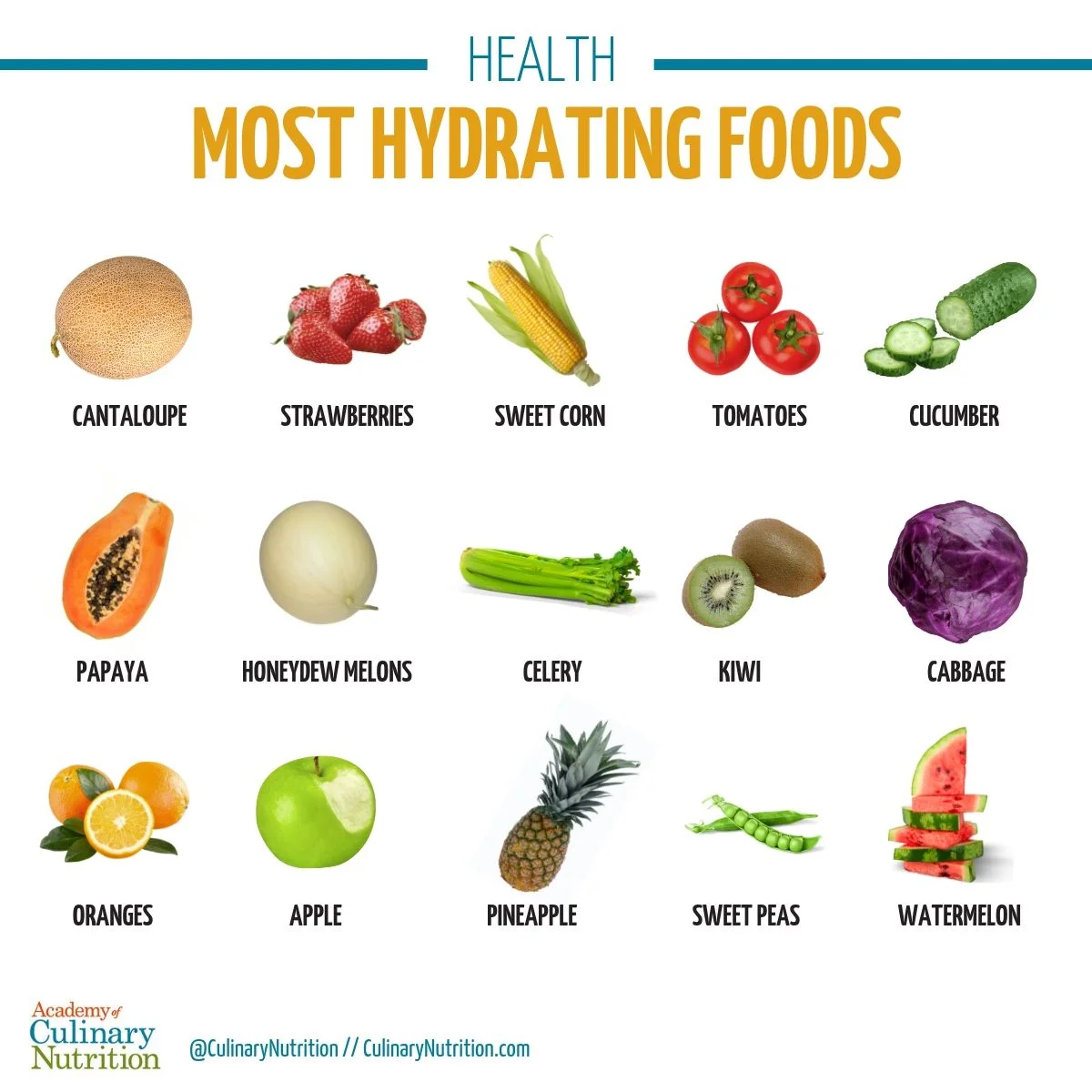
Fruits like watermelon, oranges, and strawberries are not only refreshing but also packed with water—up to 90% in some cases. These fruits serve dual purposes: they hydrate and provide natural sugars that are slowly absorbed, helping maintain steady energy levels. Consider a scenario where an office worker replaces their usual mid-morning cookie with a handful of juicy strawberries; the difference in sustained alertness and hydration is often noticeable. Additionally, fruits are rich in antioxidants and vitamins that aid in energy metabolism.
Vegetables That Keep You Energized and Hydrated
Vegetables such as cucumber, celery, and lettuce have high water content, which makes them excellent choices for hydration. These veggies also provide fiber and essential nutrients that contribute to overall vitality. For example, a teacher who snacks on crunchy cucumber slices during breaks often reports feeling more refreshed than after consuming processed snacks. These vegetables also tend to be lower in calories, allowing for frequent snacking without energy crashes.
Incorporating Hydrating Snacks into Your Routine
Even when busy or on the go, you can maintain hydration and energy by choosing the right snacks. Greek yogurt topped with diced cucumber or melon, or a small bowl of mixed berries, can keep you energized throughout your afternoon meetings. The key is to pick foods that combine water content with nutrient density, rather than just empty calories. One young professional shared how swapping chips for hydrating fruit-packed snacks helped her avoid the usual mid-afternoon slump and sharpened her focus.
Nutritional Components Enhancing Hydration and Vitality
Electrolytes Found in Hydrating Foods
Hydrating foods often contain vital electrolytes like potassium, magnesium, and sodium, which regulate fluid balance and muscle function. For example, bananas and coconut water are rich in potassium, helping to replenish what’s lost through sweat and supporting nerve signaling critical for energy. A runner who consumes electrolyte-rich fruits before and after training sessions often experiences less fatigue and quicker recovery than one who relies solely on water.
Vitamins and Minerals That Support Energy Metabolism
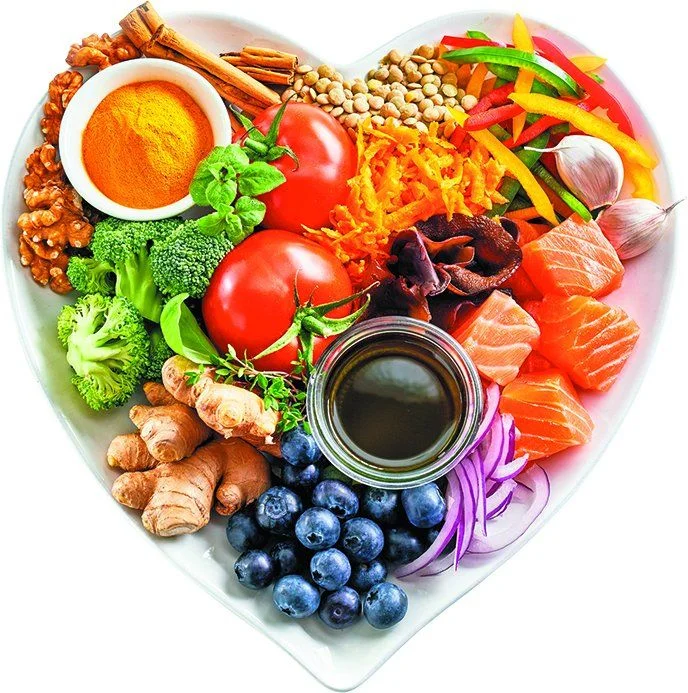
Beyond electrolytes, many hydrating foods provide vitamins such as B-complex and minerals like iron and zinc that play crucial roles in the body’s energy pathways. Spinach, for example, contains iron and magnesium, both essential for producing cellular energy. A college student who eats a spinach-rich salad regularly found it easier to stay alert during long study sessions, demonstrating how these nutrients work synergistically with hydration to support daily energy demands.
Hydrating Foods vs. Traditional Energy Sources
Why Choose Hydrating Foods Over Caffeinated Drinks?
Caffeinated beverages like coffee and energy drinks are often the go-to for quick boosts, but they come with drawbacks such as dehydration and jitteriness. Hydrating foods, on the other hand, provide a balanced source of water and nutrients without the crash later in the day. For instance, a graphic designer replaced afternoon soda with watermelon slices and noticed more consistent energy levels, better hydration, and improved concentration.
The Impact on Mental Clarity and Physical Stamina
Hydration directly influences brain function. Drinking water and consuming hydrating foods enhance mental clarity and prevent the foggy sensation that dehydration causes. Physically, these foods help maintain stamina by supporting muscle function and preventing cramps, especially during prolonged activities. A teacher who integrates hydrating snacks and water breaks throughout the day reported less afternoon fatigue and greater endurance during back-to-back classes.
Practical Tips for Maintaining Steady Energy with Food
Meal Timing and Hydration Strategies
Timing meals and snacks to include hydrating foods can help keep energy consistent. Starting the day with a hydrating breakfast such as a smoothie made from spinach, cucumber, and berries sets a hydrated tone. Mid-morning and mid-afternoon snacks should also focus on hydrating options to avoid energy dips. Listening to your body’s thirst signals alongside hunger cues can prevent the common mistake of neglecting hydration altogether in favor of heavier meals.
Combining Hydrating Foods with Balanced Macronutrients
Hydrating foods work best when paired with proteins, healthy fats, and complex carbohydrates to sustain energy over time. For example, pairing a watermelon salad with feta cheese and nuts creates a snack that hydrates and provides long-lasting fuel. An example from real life would be a busy parent who packs hydrating fruit and vegetables alongside lean protein in their children’s lunchboxes to keep their energy steady throughout school hours.


