
Understanding the Basics of Plant-Based Eating
What Does a Plant-Based Diet Entail?
A plant-based diet emphasizes whole, minimally processed foods from plants. This includes vegetables, fruits, legumes, grains, nuts, and seeds. Unlike strict veganism, a plant-based approach focuses on the quality and source of foods rather than complete avoidance of animal products. The goal is to prioritize plants for their health benefits and sustainability.
Key Nutrients to Focus On for Energy
Energy levels rely on a steady intake of carbohydrates, proteins, and fats. For those embracing plant-based eating, it is critical to consume complex carbs like whole grains and starchy vegetables, which provide lasting fuel. Protein sources such as beans, lentils, and tofu help maintain muscle and support metabolism. Healthy fats from avocados, nuts, and seeds contribute to brain function and sustained energy. Including iron-rich foods, vitamin B12 (through supplements or fortified products), and sufficient hydration is also essential to avoid fatigue.
Starting Your Plant-Based Meal Plan
Assessing Your Current Eating Habits
Begin by evaluating your regular meals and snacks. Identify how many plant-based ingredients are already part of your diet and where animal products are commonly used. Understanding your baseline helps in making gradual changes rather than abrupt shifts, reducing overwhelm and increasing long-term success.
Setting Realistic Energy Goals
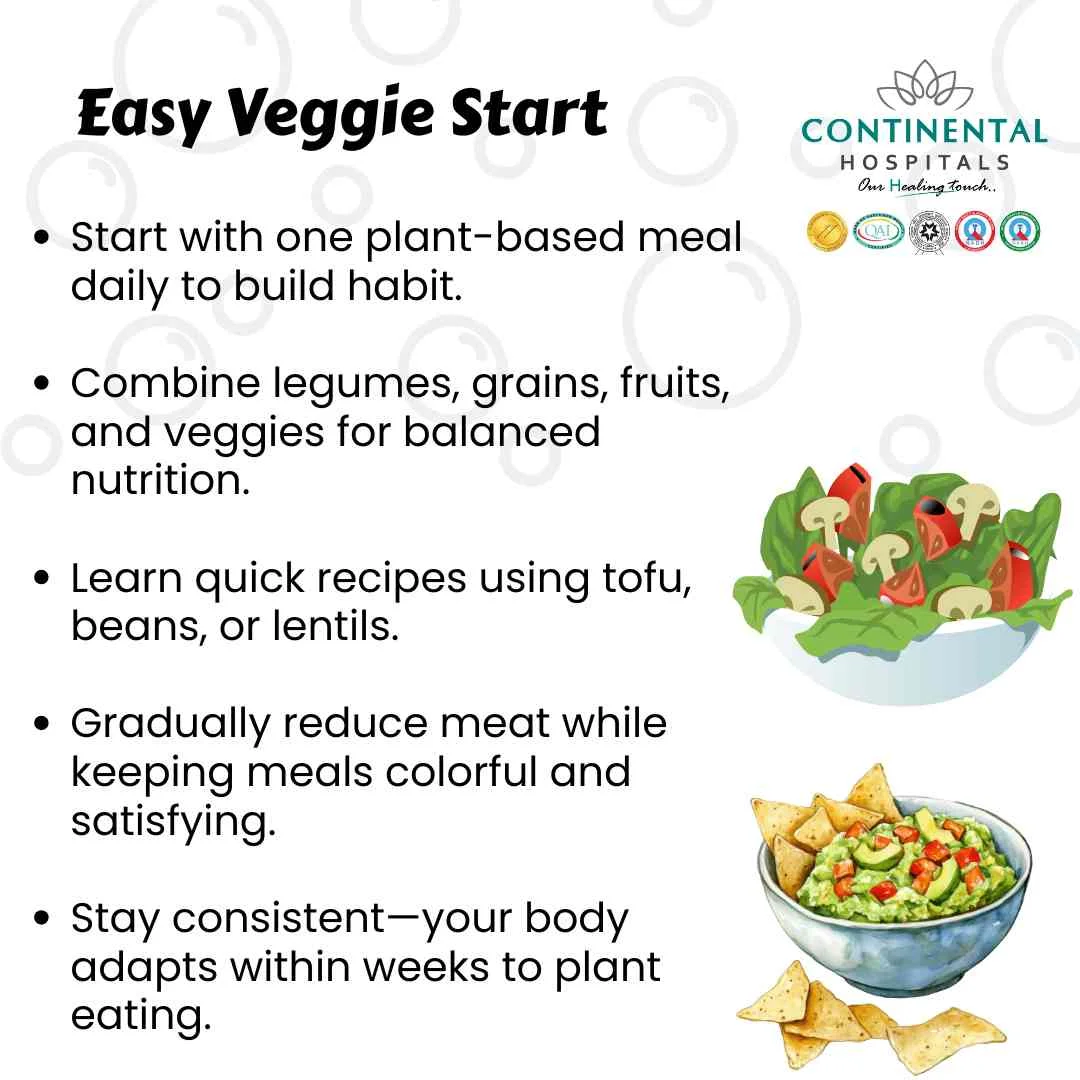
Improving energy through diet is a process requiring clear, achievable targets. Rather than expecting immediate transformation, aim for steady improvements such as adding one plant-based meal daily or increasing fruit and vegetable servings. Tracking your energy levels alongside these changes can provide motivation and insight into what works best for your body.
Simple Meal Planning Strategies for Beginners
Building Balanced Plates with Whole Foods
To maximize energy, meals should combine carbohydrates, proteins, and fats in a balanced way. Think of a plate with half filled with colorful vegetables, a quarter with whole grains, and another quarter with plant proteins or healthy fats. This variety ensures not only adequate nutrition but also keeps meals interesting and satisfying.
Batch Cooking and Prep Tips to Save Time
Preparing meals in advance is a practical way to maintain consistency while avoiding last-minute unhealthy choices. Cook large portions of grains, beans, or roasted vegetables and store them for easy assembly during the week. Pre-washing greens and chopping veggies can speed up meal preparation and encourage healthier snacking habits.
Energy-Boosting Plant-Based Foods to Include
Top Fruits and Vegetables for Sustained Energy
Certain fruits and vegetables are renowned for their energizing properties. Bananas and apples provide quick natural sugars alongside fiber, supporting stable blood sugar. Leafy greens like spinach and kale are rich in iron and magnesium, essential for energy metabolism. Sweet potatoes offer complex carbohydrates for prolonged fuel.
Incorporating Plant Proteins and Healthy Fats
Protein is crucial for muscle repair and sustained energy. Include lentils, chickpeas, quinoa, and tofu as staple sources. Nuts and seeds contribute healthy fats that slow digestion, providing a stable energy release. Adding small amounts of nut butters or avocados can improve meal satisfaction and cognitive function.
Sample 1-Week Plant-Based Meal Plan for Energy
Day-by-Day Meal Breakdown
Start each day with a nutrient-packed smoothie or oatmeal topped with fruits and nuts. Lunches featuring grain bowls with a variety of vegetables and beans ensure balanced nutrition. Dinners might include stir-fries, hearty salads, or vegetable stews. Rotating ingredients maintains interest and supplies diverse nutrients.
Snack Ideas to Keep Your Energy Up
Snacks should be simple yet nourishing to prevent energy dips. Fresh fruit, hummus with carrot sticks, roasted chickpeas, and trail mix with seeds and dried fruit offer convenient, quick energy bursts throughout the day.
Overcoming Common Challenges
Dealing with Cravings and Nutrient Deficiencies
Cravings for familiar flavors or textures are normal during dietary transitions. Address them by finding plant-based alternatives that satisfy similar tastes, such as nut-based cheeses or vegetable chips. Monitoring nutrients like vitamin B12, iron, and omega-3s is important to prevent deficiencies that can cause fatigue. Consider fortified foods or supplements in consultation with a healthcare provider.
Staying Motivated Throughout Your Journey
Maintaining motivation requires focusing on progress rather than perfection. Celebrate small wins, experiment with new recipes, and connect with communities sharing similar goals. Remember that improving energy through plant-based eating is a sustainable lifestyle choice rather than a short-term fix.


