
Understanding Protein Needs for Vegetarians
Why Protein is Essential for Energy
Protein plays a crucial role in maintaining energy levels throughout the day. It supports muscle repair, hormone production, and enzyme function. For vegetarians, ensuring adequate protein intake is vital because it directly impacts stamina, cognitive function, and overall vitality.
Recommended Daily Protein Intake for Vegetarians
Vegetarians should aim for roughly 0.8 to 1.0 grams of protein per kilogram of body weight daily, depending on activity level. Active individuals or those seeking muscle gain might require slightly more. Balanced intake ensures sustained energy without feeling sluggish or fatigued.
Top Plant-Based Protein Sources
Legumes and Pulses
Beans, lentils, chickpeas, and peas are excellent protein sources. They provide not only protein but also fiber, which helps regulate blood sugar and maintain steady energy release. Incorporating a variety of legumes enhances nutrient diversity and taste.
Nuts, Seeds, and Their Benefits
Nuts and seeds such as almonds, chia, flax, and pumpkin seeds supply protein alongside healthy fats and micronutrients. These contribute to heart health and prolonged energy. Their convenient form makes them ideal for snacks or meal toppings.
Whole Grains with High Protein Content
Grains like quinoa, farro, and brown rice offer substantial protein and complex carbohydrates. They serve as a foundation for meals, pairing well with legumes and vegetables, helping to create nutritious, well-rounded dishes that fuel the body efficiently.
Balancing Macronutrients for Sustained Energy
Combining Proteins with Healthy Carbohydrates
Protein alone isn’t enough for lasting energy; pairing it with complex carbs ensures gradual glucose release. This balance prevents energy spikes and crashes. Opt for whole foods like sweet potatoes, oats, and whole grain bread to complement protein sources.
The Role of Fats in Vegetarian Meals
Healthy fats from avocados, olive oil, and nuts support nutrient absorption and help maintain energy. They also promote satiety, which can reduce overeating or energy dips between meals. Including moderate fat improves meal satisfaction and metabolic function.
Meal Planning Strategies
Creating a Weekly Menu with Protein Variety
Variety is key to covering all essential amino acids and preventing diet fatigue. Plan meals alternating between legumes, nuts, grains, and dairy or soy products if included. This approach reduces reliance on any single source and supports balanced nutrition.
Batch Cooking and Meal Prep Tips
Preparing meals in advance saves time and consistency. Cook large portions of beans, grains, and roasted vegetables to mix and match throughout the week. Store meals in airtight containers and portion appropriately to streamline daily nutrition.
Sample High-Protein Vegetarian Meal Ideas
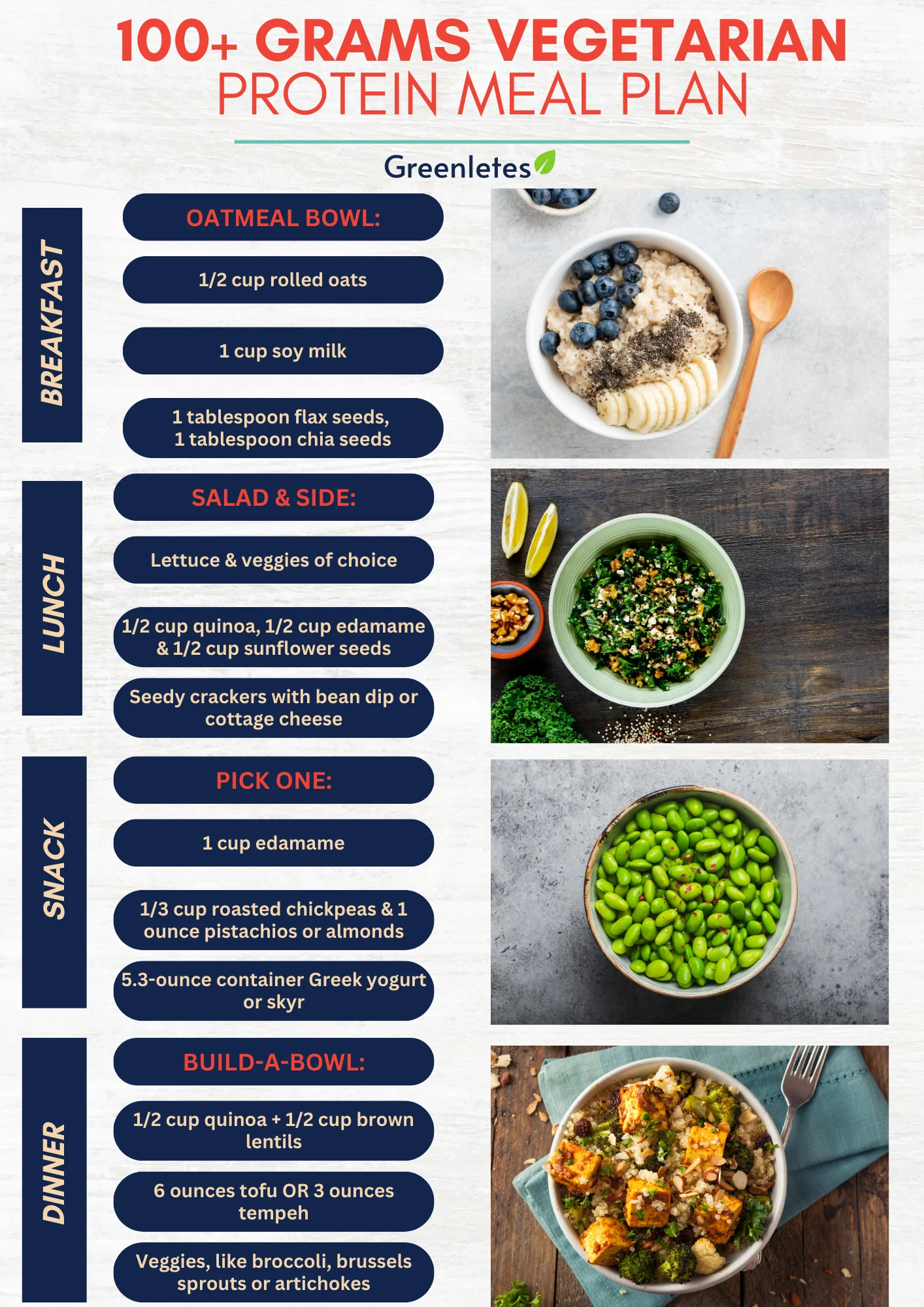
Breakfast: Energizing Protein-Packed Options
Start the day with Greek yogurt topped with chia seeds and fresh fruit, or enjoy a tofu scramble with vegetables. Smoothies combining plant-based protein powder, nuts, and leafy greens offer quick, nutrient-dense alternatives.
Lunch and Dinner: Nutrient-Dense Protein-Rich Recipes
Try lentil and quinoa salads tossed with mixed greens and nuts or black bean chili enriched with tomatoes and spices. Stir-fries featuring tempeh, broccoli, and brown rice provide a satisfying and balanced option for sustained energy.
Common Mistakes to Avoid in Vegetarian Protein Planning
Overlooking Complete Proteins
One pitfall is neglecting to combine protein sources that provide all essential amino acids. While many plant proteins lack one or more amino acids, pairing foods like rice with beans or hummus with whole wheat ensures completeness without relying on animal products.
Neglecting Portion Sizes
Another common error is underestimating the required portion of protein-rich foods. Small servings may fail to meet daily needs, leading to fatigue and muscle loss. Tracking intake initially helps develop a sense of adequate portion sizes for sustained energy.
Boosting Protein Absorption and Utilization
Combining Protein Sources for Complete Amino Acids
Vegetarians benefit from eating varied proteins throughout the day to ensure all amino acids are consumed. This combination supports muscle maintenance and metabolic functions crucial for energy production. Thoughtful meal combinations increase the quality of protein intake.
Importance of Micronutrients in Protein Metabolism
Zinc, iron, and B vitamins play significant roles in how the body processes protein. Deficiencies can impair energy levels and protein utilization. Including a colorful variety of fruits, vegetables, nuts, and seeds in meals helps maintain adequate micronutrient status.


