
Introduction to Progressive Muscle Relaxation (PMR)
What is Progressive Muscle Relaxation?
Progressive Muscle Relaxation, or PMR, is a simple yet powerful technique aimed at reducing muscle tension and promoting overall relaxation. It involves systematically tensing and then releasing specific muscle groups throughout the body. By doing this, you become more aware of physical sensations linked to tension and learn how to let go of stress held in your muscles.
Historical Background and Development
This method was developed in the early 20th century by physician Edmund Jacobson, who believed that mental calmness could be achieved through physical relaxation. He discovered that when the muscles were completely relaxed, anxiety and stress symptoms diminished. Over time, PMR has evolved and become a widely recommended practice for managing daily stress and enhancing well-being.
How PMR Works to Relieve Tension
PMR works by focusing your attention on contrasting sensations of tension and relaxation. When you consciously tighten a muscle group and then release it, your body learns how to recognize tension and respond by relaxing those muscles more readily. This process interrupts the cycle of chronic muscle tightness that often builds up after a long, stressful day.
The Science Behind Muscle Tension and Stress
Physiological Effects of Stress on Muscles
When you experience stress, your body reacts by activating the fight-or-flight response. This causes muscles to contract in preparation for action. While helpful in short bursts, prolonged stress keeps muscles in a state of partial contraction. This sustained tightness can lead to stiffness, aches, and overall discomfort, especially after a demanding workday.
Role of the Nervous System in Muscle Tightness
The nervous system plays a crucial role in how your muscles respond to stress. When stress levels rise, nerve signals instruct muscles to tighten. Conversely, relaxation techniques like PMR help stimulate the parasympathetic nervous system—the branch responsible for calming the body—allowing muscles to release tension and the mind to unwind.
Step-by-Step Guide to Practicing PMR After Work
Preparation: Setting the Right Environment
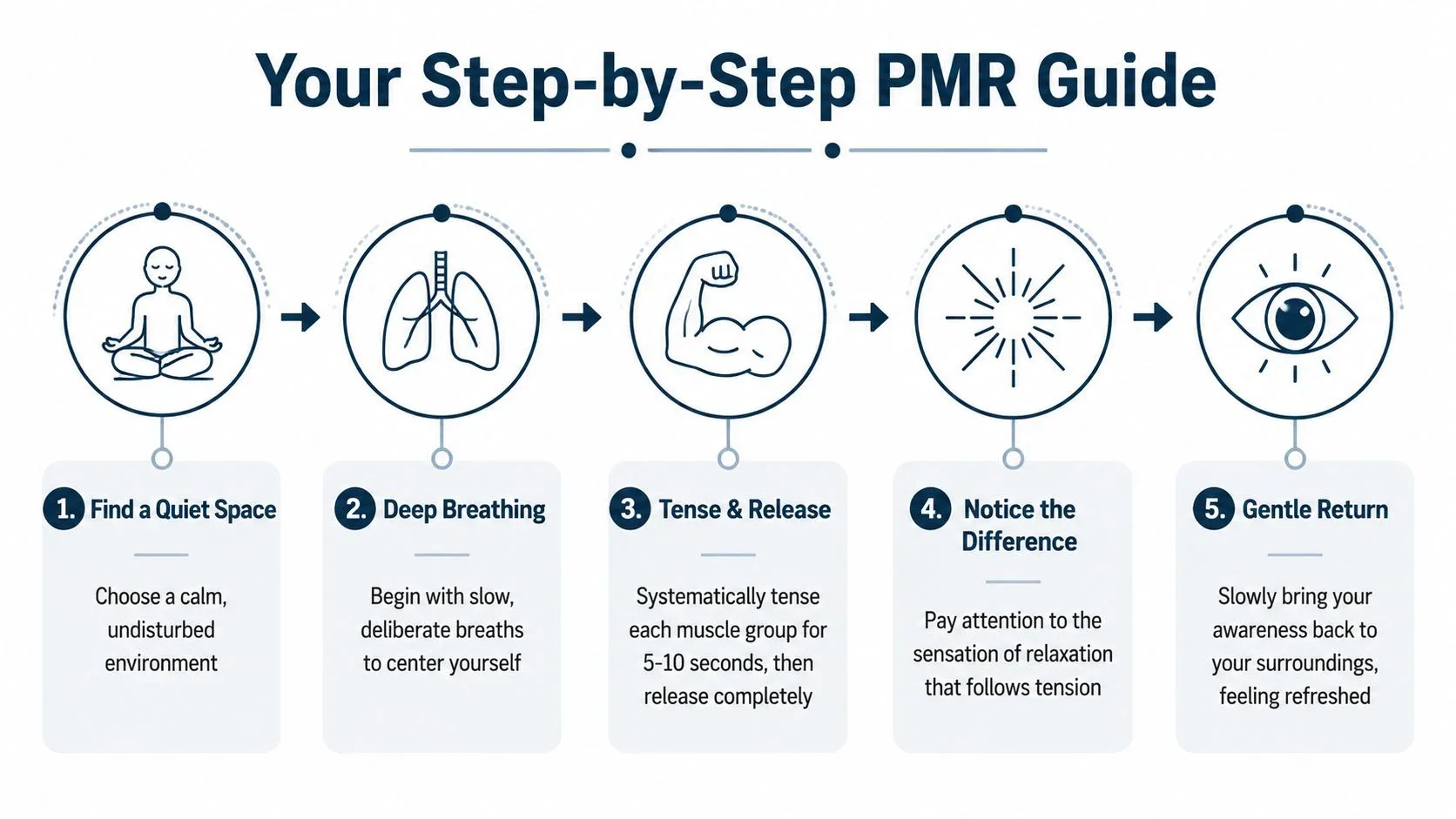
Before diving into PMR, it’s important to create a calm and comfortable space. Choose a quiet room where you won’t be disturbed. Dim the lights or use soft lighting to set a peaceful mood. Sitting or lying down in a relaxed position helps your body fully engage in the process without distractions.
Detailed Muscle Groups to Target
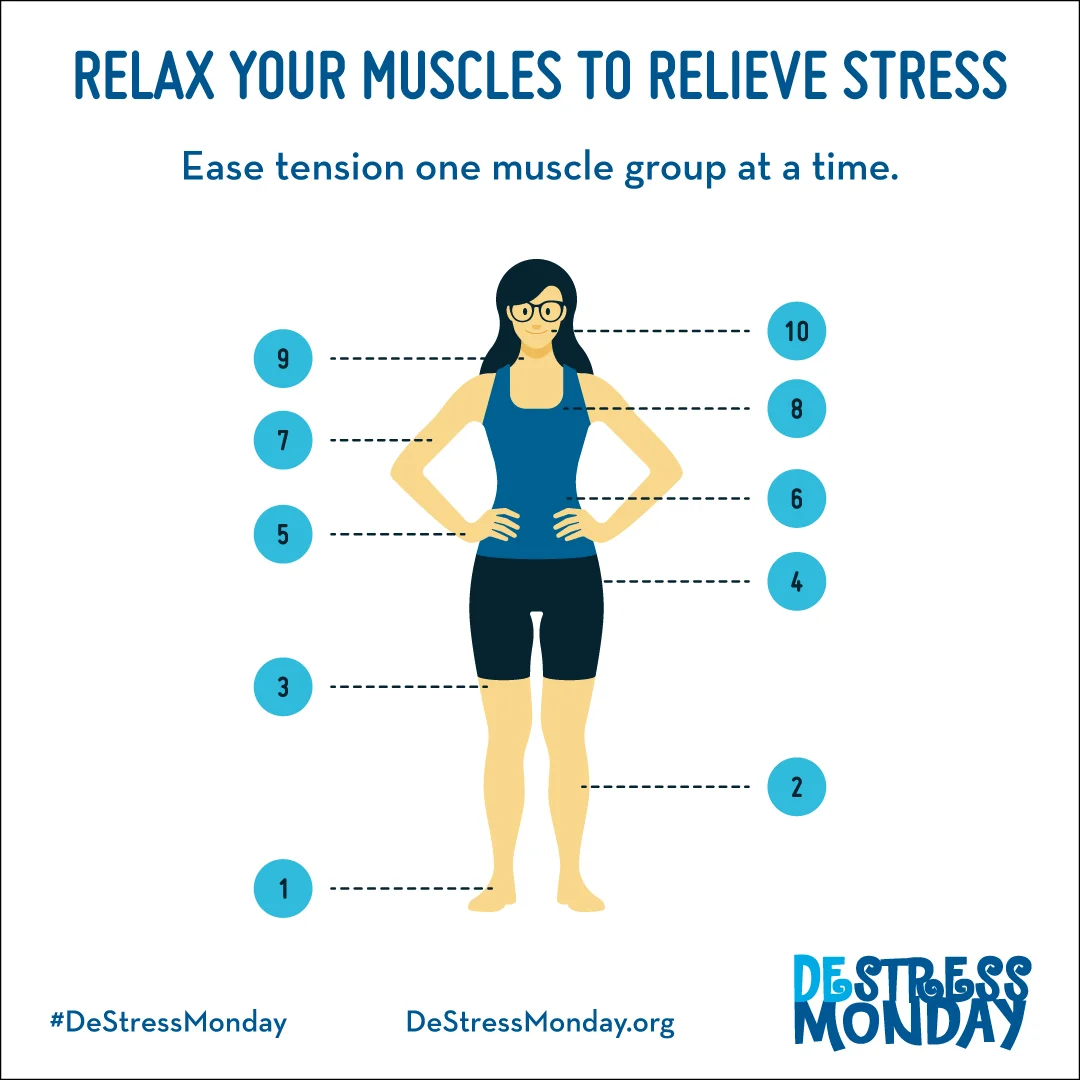
Begin by focusing on your feet and toes, gently tensing these muscles for about five seconds before slowly releasing. Move upwards through your calves, thighs, abdomen, chest, hands, arms, shoulders, neck, and face. Each time, tense the muscle groups with a comfortable level of tightness and then feel the difference as you relax them completely. This gradual approach encourages deep bodily awareness and tension release.
Timing and Frequency Recommendations
A single session might take anywhere between 10 to 20 minutes, making it an approachable addition to your evening routine. For best results, practicing PMR daily can help your body adapt its relaxation response more effectively. Even shorter, focused sessions on particularly tense muscle groups can offer relief when time is tight.
Benefits Beyond Muscle Relaxation
Improved Sleep Quality
Regular use of PMR has been shown to aid in falling asleep faster and enjoying more restful slumber. By easing muscle tension and quieting racing thoughts, this practice creates a natural transition toward sleep, helping to break cycles of insomnia linked to stress.
Reduced Anxiety and Enhanced Mental Clarity
Beyond physical relaxation, PMR contributes significantly to mental well-being. As the body relaxes, the mind also experiences reduced anxiety levels. Clearer thinking and better focus often follow, making PMR a valuable tool not just for unwinding after work but also for boosting your overall quality of life.
Tips for Maximizing the Effectiveness of PMR
Incorporating Breathing Techniques
Combining PMR with deep, slow breathing enhances its calming effect. Synchronize the muscle tensing and releasing process with inhaling and exhaling deeply. This coordination helps further activate the body’s relaxation systems and deepens your sense of calm.
Combining PMR with Other Relaxation Methods
Many find that blending PMR with mindfulness meditation or gentle yoga creates a more holistic approach to stress reduction. These practices complement each other by engaging both the body and mind, promoting a balanced recovery after demanding days.
Common Mistakes to Avoid
One of the most frequent errors is rushing through PMR without fully experiencing the tension and release phases. This can reduce its effectiveness. It’s important to focus on the sensations in each muscle group and allow yourself enough time to relax. Another pitfall is tensing muscles too forcefully, which can lead to discomfort rather than relaxation. Always keep tension moderate and comfortable.
Real-Life Experiences: Testimonials and Case Studies
Personal Stories of Stress Relief Through PMR
Many individuals share how PMR has transformed their evenings, turning rushed, stressful moments into opportunities for calm. From busy professionals to parents juggling multiple responsibilities, users report feeling more grounded and physically at ease after incorporating this technique into their routines.
Research Findings Supporting PMR’s Effectiveness
Scientific studies consistently support PMR’s role in reducing muscle tension, lowering blood pressure, and improving anxiety symptoms. Clinical trials have demonstrated that individuals practicing PMR regularly experience measurable improvements in both physical relaxation and mental health, affirming its value as a stress management tool.


