
Understanding Food Waste and Its Impact
Environmental Consequences of Food Waste
Food waste contributes significantly to environmental degradation. When discarded food decomposes in landfills, it emits methane, a potent greenhouse gas. Reducing food waste helps lower carbon footprints and conserves precious natural resources like water and energy used in food production.
Financial Costs of Throwing Away Food
Discarding edible food is a direct loss of money. Families often spend hundreds of dollars annually on food that ends up unused. Minimizing waste can lead to noticeable savings and makes it easier to eat well without overspending.
Planning Your Meals Efficiently
Creating a Budget-Friendly Shopping List
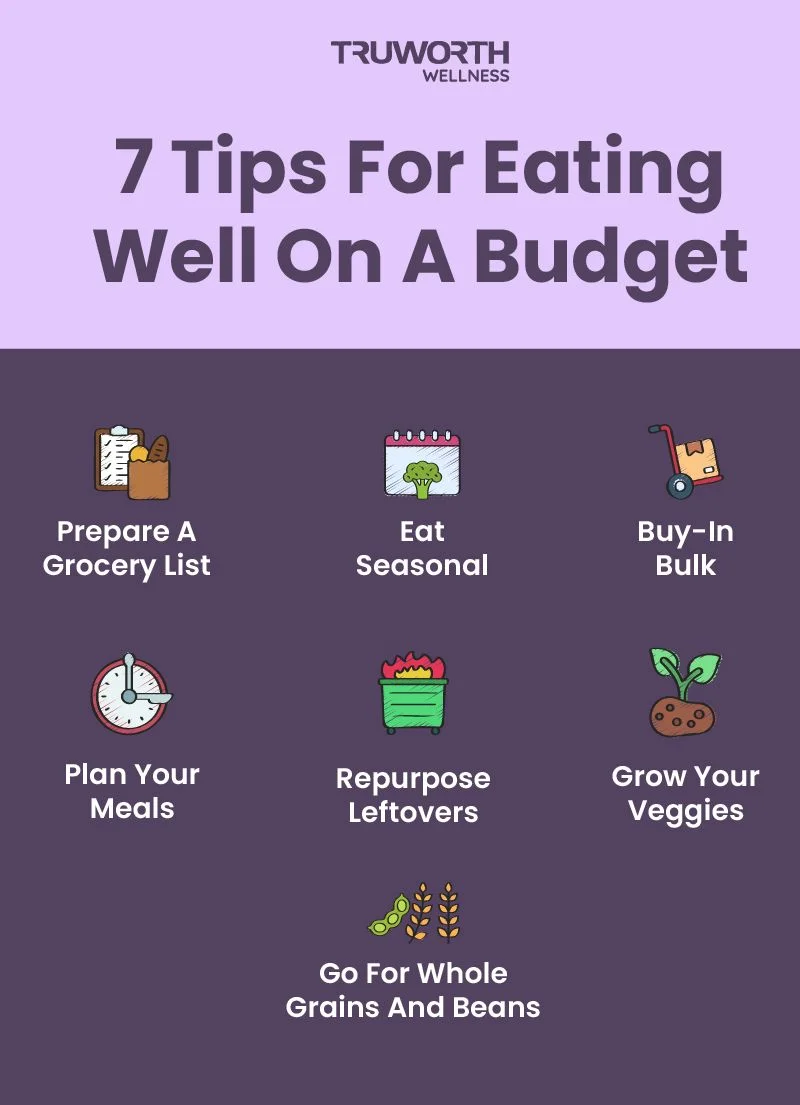
Start by planning meals for the week and listing all necessary ingredients. Focus on versatile items that can be used in multiple dishes. A shopping list tailored to your meal plan helps avoid impulsive purchases that may go to waste.
Utilizing Seasonal and Local Produce
Seasonal and local fruits and vegetables tend to be more affordable and fresher. Buying produce in season reduces costs and the chance of spoilage. It also supports local farmers and encourages sustainable consumption.
Smart Shopping Strategies to Minimize Waste
Buying in Appropriate Quantities
Purchasing only the amounts you can realistically use prevents excess. For perishable items, consider smaller packages or bulk options that can be divided and frozen. This approach reduces waste and keeps your budget intact.
Reading Expiration Dates Properly
Understanding expiration labels is crucial. “Sell by” and “best before” dates indicate quality rather than safety. Use sensory checks like smell and texture to decide if food is still good, helping to avoid unnecessary disposal.
Practical Tips for Storing Food to Extend Freshness
Refrigeration and Freezing Best Practices
Proper storage extends food life significantly. Keep vegetables in breathable bags and store meats separately. Freezing leftovers and excess produce preserves nutrients and prevents spoilage, giving you more flexibility with meals.
Organizing Your Pantry to Avoid Spoilage
Arranging your pantry by expiration dates ensures older items get used first. Clear containers help track supplies easily. A well-organized pantry reduces the chance of forgotten foods going bad and cuts down on impulse buys.
Creative Cooking Techniques for Leftovers
Transforming Leftovers into New Meals
Leftovers don’t have to be repetitive. Repurpose cooked vegetables into soups, or combine proteins and grains into salads or wraps. This approach makes meals exciting while cutting waste.
Incorporating Food Scraps in Recipes
Peels, stems, and other scraps can often be reused. Vegetable scraps are perfect for homemade broths, and stale bread can be turned into croutons or breadcrumbs. Such practices maximize food use and add flavor.
Maintaining a Balanced and Nutritious Diet
Choosing Nutrient-Dense and Affordable Foods
Focus on foods that offer high nutritional value per cost, such as legumes, whole grains, and seasonal vegetables. These staples help maintain health without straining your wallet.
Balancing Macronutrients on a Budget
A balanced diet includes carbohydrates, proteins, and fats in appropriate amounts. Affordable sources like beans, eggs, and canned fish provide essential nutrients and can be incorporated into diverse meals.
Tracking Progress and Adjusting Habits
Keeping a Food Waste Journal
Document what food is wasted and why. This habit reveals patterns and areas to improve, making it easier to adopt lasting changes. Over time, you’ll notice reductions in waste and better budget management.
Adapting Strategies Based on Results
Review your practices regularly. If certain foods spoil often, buy less or find alternative uses. Adjust shopping lists and storage methods as needed to maintain efficiency and nutrition, ensuring ongoing success.


