
Introduction to Budget-Friendly Meal Prep
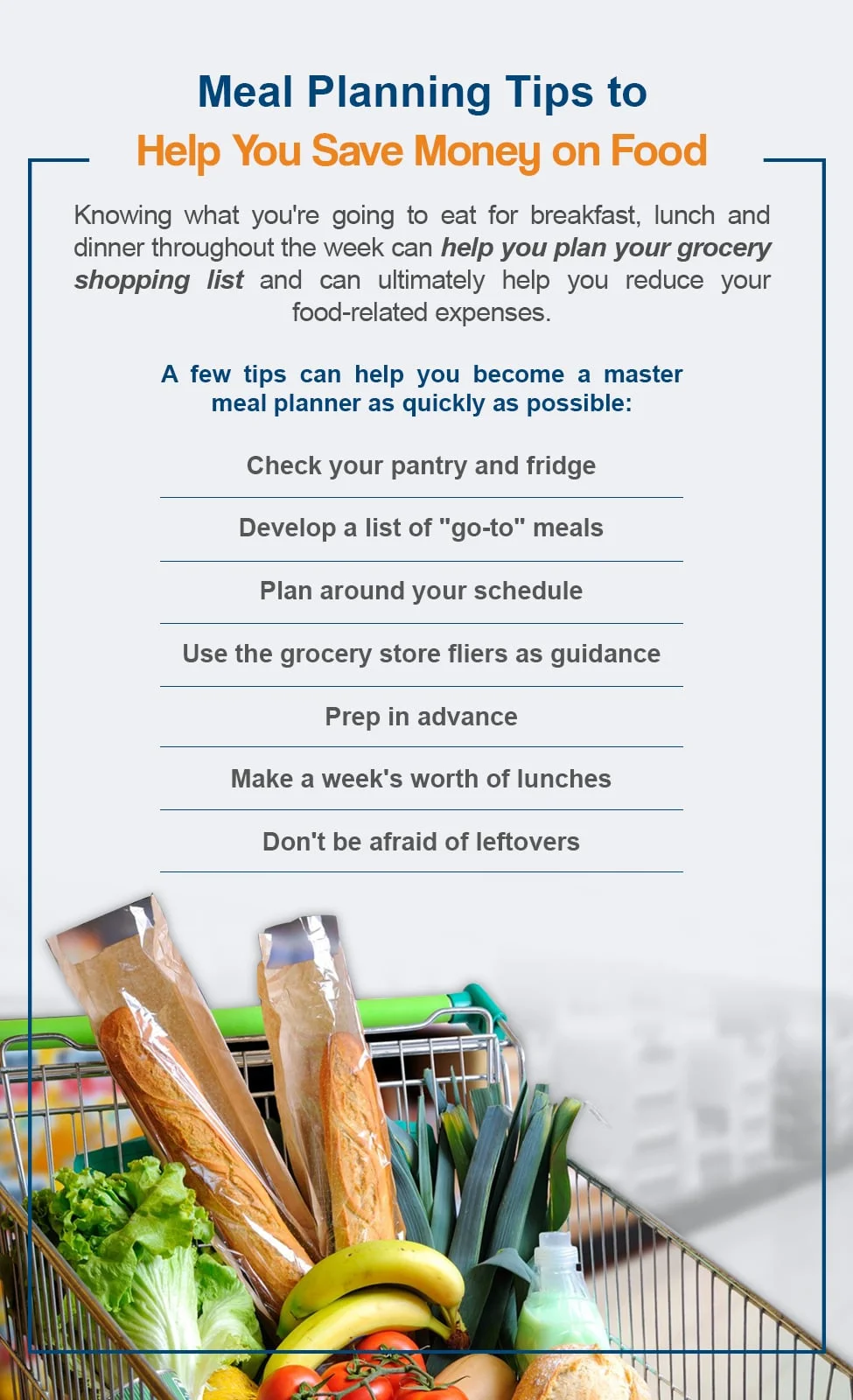
Meal prepping is an increasingly popular approach to managing both time and money in the kitchen, especially when working with a tight budget. By preparing meals ahead of time, you can avoid last-minute expensive takeout, reduce impulse buying, and create a structured eating plan that minimizes waste. This article will guide you through effective strategies to save money and reduce food waste by making meal prep an efficient and sustainable habit.
Understanding the Financial Impact of Food Waste
How Much Do You Really Lose?
Food waste doesn’t just mean throwing away scraps or expired produce; it translates to tangible financial loss. Studies show that an average household wastes hundreds of dollars annually on food that could have been eaten but was discarded. This loss can be particularly harmful when budgets are tight, as every dollar spent counts towards essential needs. Recognizing the cost behind food waste is the first step toward adopting smarter meal prep habits that protect your wallet.
Common Sources of Food Waste in Households
Many households generate waste through common, avoidable habits such as overbuying perishable items, poor meal planning, and improper storage. For instance, fruits and vegetables often spoil before use due to being bought in excess or kept in unsuitable conditions. Leftovers are frequently forgotten or discarded rather than repurposed. Addressing these issues by planning meals and storing food properly can drastically reduce waste and help make your food budget stretch further.
Essential Meal Prep Strategies for Saving Money
Planning Your Weekly Menu Around Sales and Discounts
One of the smartest ways to save money through meal prep is to build your weekly menu based on available sales and discounts. Start by reviewing store flyers and online promotions to identify which ingredients are on sale. Designing meals around these budget-friendly items allows you to take advantage of lower prices while enjoying varied dishes. This approach also encourages you to be flexible and creative with your recipes, preventing routine purchases that can drain your budget.
Bulk Buying and Portion Control Techniques
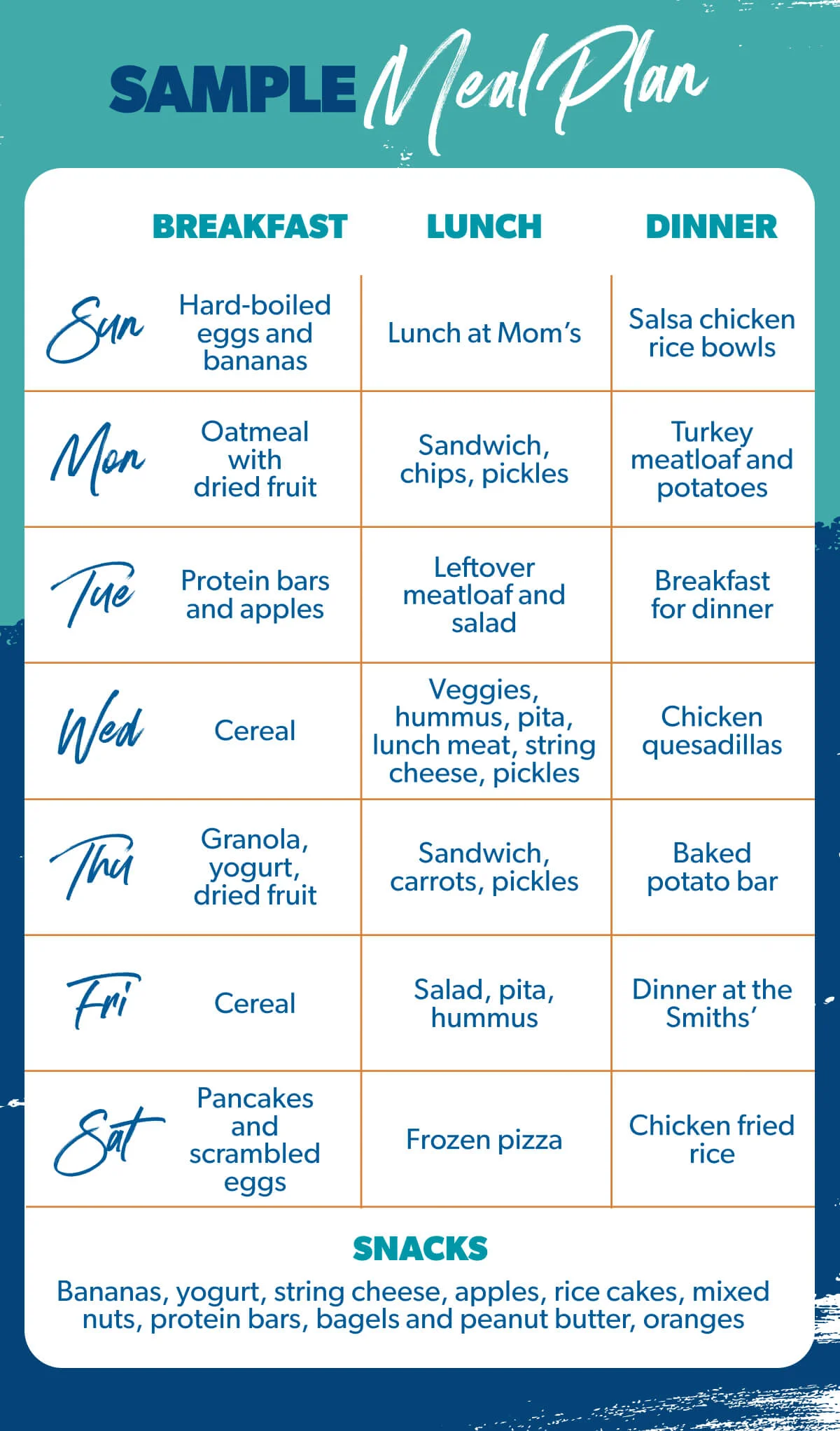
Buying staples in bulk, such as rice, beans, or frozen vegetables, usually costs less per unit than smaller packages. However, without portion control, bulk buying can lead to excess food that may go unused. To avoid this, divide bulk purchases into smaller, meal-sized portions immediately after shopping. Using airtight containers or freezer bags helps maintain freshness and makes it easy to grab the right amount for each meal. This method ensures you use what you buy, reducing waste while maximizing savings.
Smart Shopping Tips to Stretch Your Grocery Budget
Seasonal Produce and Store Brand Advantages
Focusing on seasonal produce is an excellent way to access fresh, flavorful fruits and vegetables at lower prices. Seasonal items are abundant in supply, reducing costs and often increasing nutritional value. Additionally, store brands offer quality products at a fraction of the cost of name-brand alternatives. Shopping these options as part of your meal prep routine is a practical step to cut grocery expenses without sacrificing quality.
Using Loyalty Programs and Coupons Effectively
Loyalty programs can provide significant savings through points, discounts, or special deals tailored to your shopping habits. Signing up for these programs and combining them with coupons can further reduce your grocery bills. It’s important to stay organized and plan your shopping trips to maximize these offers without buying unnecessary items. By integrating loyalty benefits into your meal prep shopping strategy, you can keep costs low and stretch your food budget further.
Reducing Food Waste Through Efficient Storage and Usage
Proper Food Storage Methods to Extend Freshness
Effective food storage is crucial for extending the life of your groceries and preventing spoilage. Keeping fruits and vegetables in the proper environment, such as crisper drawers with adjusted humidity levels, slows down decay. Additionally, storing leftovers in clear, airtight containers helps you quickly identify and consume them before they go bad. Freezing perishable items that won’t be used immediately is another excellent way to preserve food and minimize waste.
Creative Recipes for Leftovers and Scraps
Turning leftovers and food scraps into delicious meals is a powerful way to reduce waste. Ingredients like vegetable stems, stale bread, or meat trimmings can be transformed into soups, stocks, or casseroles with a little culinary creativity. Embracing these recipes not only saves money by utilizing every bit of your food but also contributes to more sustainable eating habits. Keep a list of versatile recipes on hand to inspire you to make the most out of what you have.
Tools and Apps That Support Budget Meal Prepping
Various digital tools and apps can streamline your meal prep process, making it easier to save money and reduce waste. Meal planning apps help organize shopping lists based on planned recipes, avoid duplicate ingredients, and track pantry inventory. Some apps also notify users of local sales and discounts or provide coupon integrations. Utilizing these resources can enhance your efficiency, reduce food spoilage, and support sustained budget-conscious meal prepping.
Conclusion: Building Sustainable Eating Habits on a Tight Budget
Developing meal prep strategies aimed at saving money and reducing food waste is essential for managing a tight budget. By understanding the real costs of food waste and adopting practical approaches such as planning menus around discounts, buying in bulk while controlling portions, shopping smartly, and storing food efficiently, you create a foundation for sustainable eating habits. Over time, these practices not only protect your finances but also contribute positively to the environment, making budget-friendly meal prep a win-win solution.


