
Understanding the Connection Between Breathing and Concentration
How Breath Influences Brain Function
Breathing is more than just a vital bodily function; it significantly impacts brain activity. The brain relies on oxygen to maintain alertness and cognitive performance. When breathing is shallow or erratic, oxygen supply to the brain may be limited, causing decreased focus and mental fatigue. Conversely, steady, deep breaths promote oxygen flow, which supports clearer thinking and sustained attention.
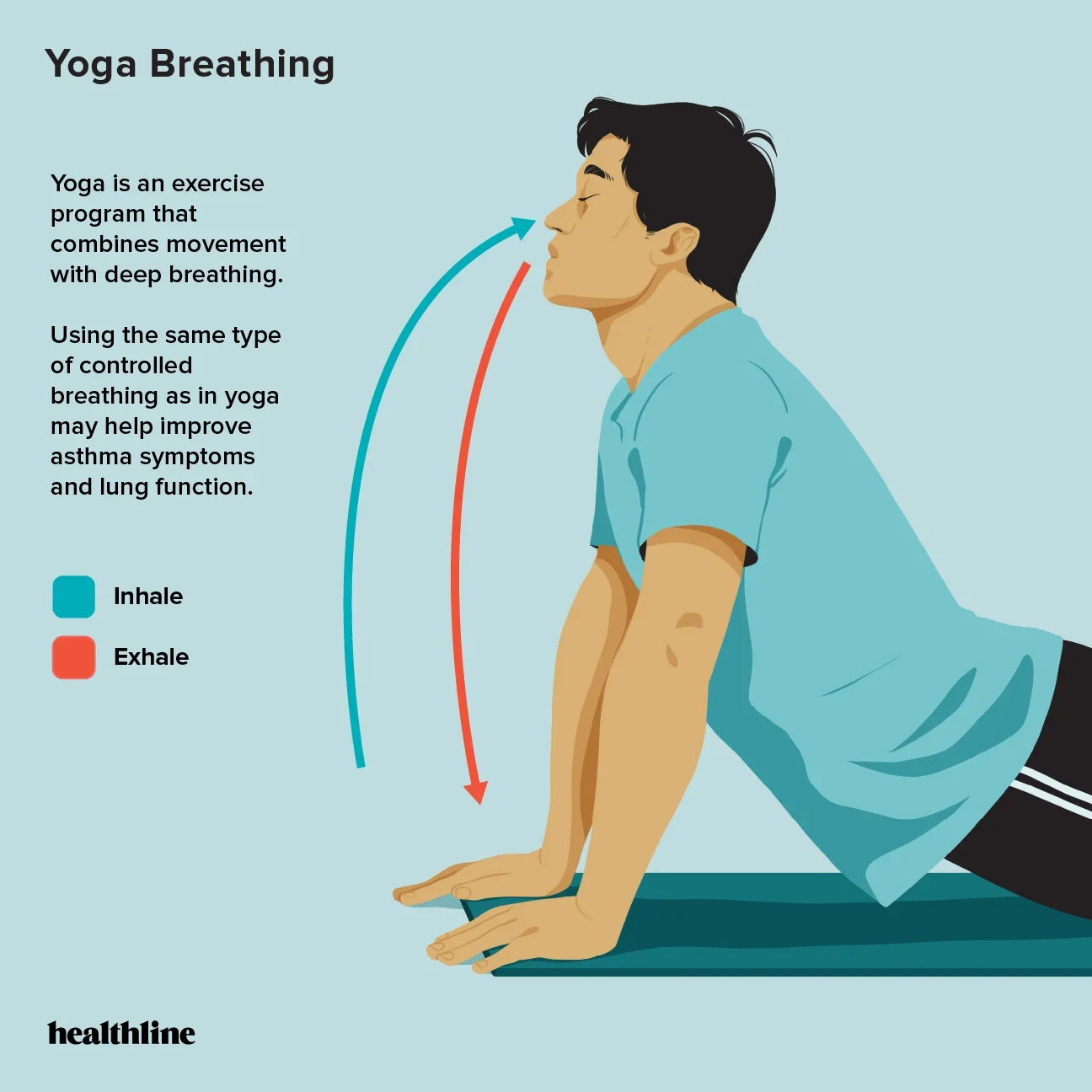
The Science Behind Mindful Breathing
Mindful breathing involves consciously controlling the breath to anchor attention in the present moment. Studies suggest this practice activates the parasympathetic nervous system, reducing stress hormones that can impair concentration. The rhythmic nature of mindful breathing helps calm the mind, making it easier to clear distractions and improve mental clarity.
Preparing Your Home Environment for Breathing Exercises
Creating a Calm and Distraction-Free Space
A supportive environment is vital for effective breathing exercises. Choose a quiet area in your home where interruptions are minimal. Reducing noise and visual distractions allows you to focus inward. Soft lighting and comfortable seating can also enhance relaxation, making it easier to engage deeply with your practice.
Tools and Aids to Enhance Your Practice
While breathing exercises require little more than your breath, certain aids can help maintain consistency and comfort. A yoga mat or cushion provides physical support. Using timers or guided breathing apps can help pace your exercises and keep sessions structured. Aromatherapy or calming background sounds may contribute to a more immersive experience, but keep these subtle to avoid distraction.
Breathing Techniques Specifically for Boosting Focus
Box Breathing Method
This method involves four equal phases: inhaling, holding the breath, exhaling, and holding again. Each phase typically lasts for a count of four. Box breathing encourages steady control, helping to slow the heart rate and reduce mental clutter. The structured pattern can be particularly useful during periods of intense work or study.
The 4-7-8 Breathing Pattern
The 4-7-8 technique consists of inhaling for four seconds, holding the breath for seven seconds, and exhaling for eight seconds. This pattern promotes relaxation by extending exhalation, which activates the parasympathetic system. It can ease anxiety and provide a mental reset, improving the ability to concentrate afterward.
Alternate Nostril Breathing
This practice involves breathing through one nostril at a time in a balanced, alternating cycle. It is believed to harmonize both hemispheres of the brain, fostering mental equilibrium. This technique can sharpen focus by calming the mind and balancing energy levels, making it easier to maintain attention on tasks.
Step-by-Step Guide to Daily Breathing Routines
Morning Energizing Breathwork
Start your day with breaths that invigorate the mind. Begin with deep inhales through the nose and forceful exhales through the mouth. This stimulates the nervous system and can enhance alertness. Incorporate box breathing to set a deliberate intention for focus as you prepare for the day ahead.
Midday Reset Techniques
Use midday breathing exercises to counteract fatigue or overwhelm. The 4-7-8 breathing pattern works well here, slowing the heart rate and reducing stress. Even a few minutes can clear mental fog and restore concentration, helping you regain momentum for afternoon tasks.
Evening Relaxation Breath Practices
At day’s end, focus on calming the mind with slower, gentle breaths. Alternate nostril breathing can promote balance and relaxation, preparing you for restful sleep. Establishing this routine signals to your body that it’s time to unwind, improving overall cognitive function the following day.
Integrating Breathing Exercises with Other Concentration-Enhancing Habits
Combining Breathwork with Meditation
Mindful breathing pairs naturally with meditation, both fostering present-moment awareness. Starting meditation sessions with breathing exercises can ground the mind, making it easier to maintain focus. This synergy supports building longer periods of undistracted attention over time.
Using Breathing to Support Time Management
Breathing exercises can be a useful tool when managing work intervals. Incorporating short breathwork breaks between tasks may refresh cognitive resources. This practical approach can sustain concentration throughout a busy schedule, helping to avoid burnout and maintain productivity.
Tracking Progress: Measuring Improvements in Concentration
Journaling Focus Levels
Keeping a simple journal to note concentration quality before and after breathing sessions can reveal patterns over time. Recording how you feel and your ability to complete tasks helps identify which techniques are most effective for you.
Using Apps and Tools for Feedback
Various apps offer guided breathing sessions with built-in tracking features. These tools can provide reminders and visual feedback, encouraging regular practice. Monitoring progress through such apps may increase motivation and awareness of improvements in focus.


