
Introduction to Creative Problem Solving
Understanding Creativity in the Workplace
Creativity at work is often misunderstood as a trait reserved only for artists or designers, but it is a crucial skill for problem solving across all industries. It involves generating new ideas, finding innovative solutions, and approaching challenges from fresh perspectives. Without creativity, employees may rely on conventional methods that yield limited results, hindering both individual and organizational growth.
Why Daily Habits Matter
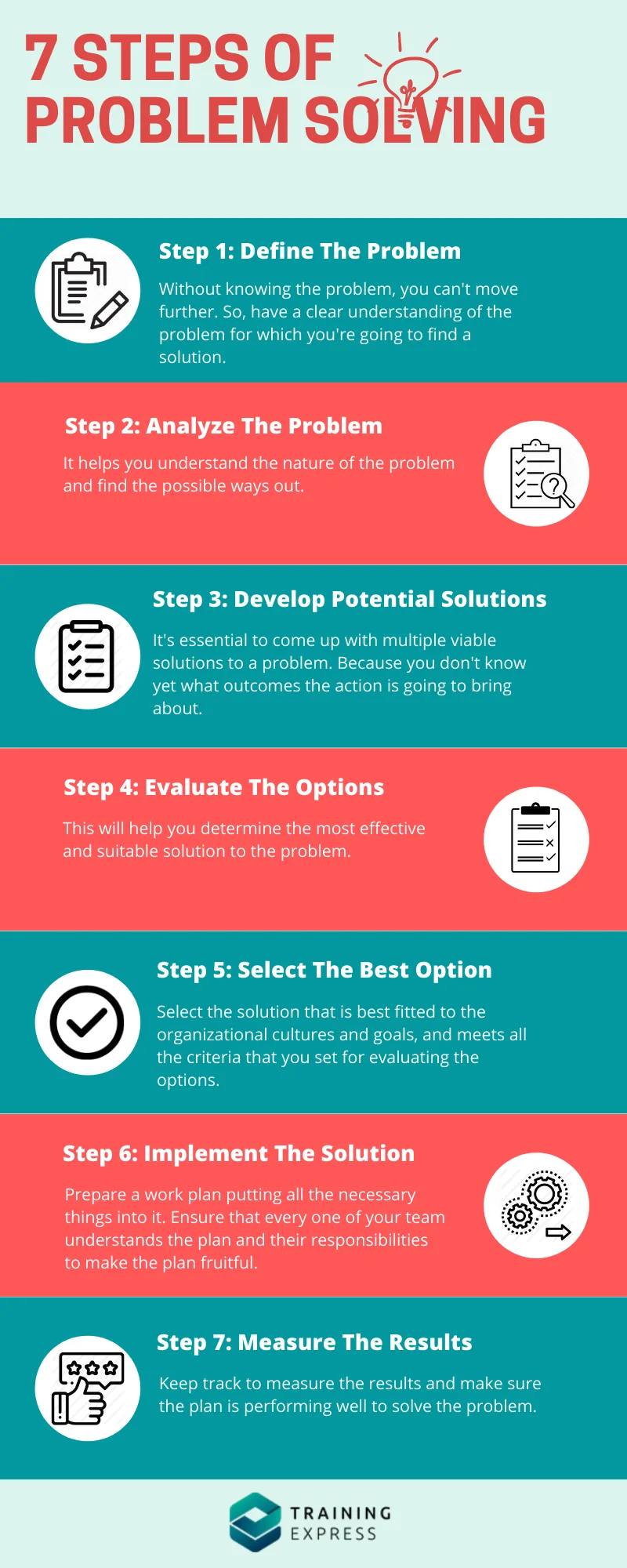
The challenge for many professionals is maintaining a consistent flow of creative energy amidst the demands of deadlines and meetings. Creativity is not a one-time spark but a cultivated ability reinforced by daily habits. Establishing routines that nurture inventive thinking ensures that problem solving becomes more effective and less stressful. These habitual practices train the brain to seek novel connections and remain open to diverse solutions throughout the workday.
Morning Rituals to Kickstart Creative Thinking
Meditation and Mindfulness Techniques
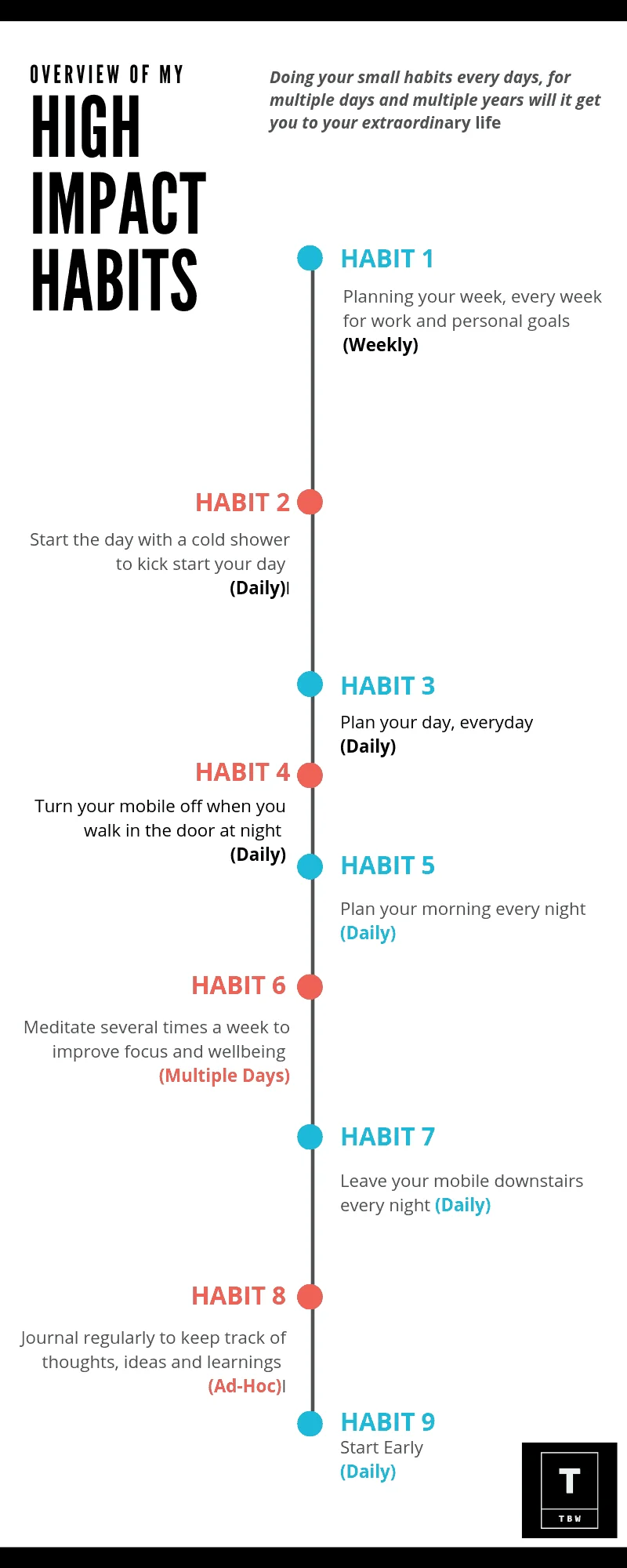
Many professionals struggle to focus creatively in the morning due to distractions and stress. The cause often lies in a cluttered mind filled with worries about the day ahead. Meditation and mindfulness offer a solution by calming mental noise and enhancing concentration. Allocating a few minutes each morning to mindful breathing or guided meditation helps clear the mind, encouraging original ideas to surface more naturally as the workday begins.
Journaling for Idea Generation
Starting the day without direction can delay creative breakthroughs. Journaling addresses this by providing a dedicated space to explore thoughts freely and capture emerging ideas. The problem often arises when people wait for inspiration instead of actively seeking it. Writing down questions, challenges, or even random thoughts first thing in the morning stimulates the brain’s associative processes. Over time, this habit builds a reservoir of insights that can be drawn upon during problem-solving tasks.
Midday Activities to Sustain Creativity
Incorporating Physical Movement and Breaks
Creativity tends to decline as mental fatigue sets in, especially after hours of continuous work. The cause is physical and cognitive exhaustion, which impairs flexible thinking. Integrating short physical breaks or light exercise during the day rejuvenates both body and mind. Simple actions like stretching or a brisk walk increase blood flow to the brain and shift focus away from routine tasks, allowing creative perspectives to emerge more readily when returning to work.
Collaborative Brainstorming Sessions
Relying solely on individual problem solving can lead to tunnel vision and limited creativity. This issue stems from isolated thinking patterns and a lack of diverse input. Collaborative brainstorming combats this by bringing together varied viewpoints that challenge assumptions and spark novel solutions. Regularly scheduled sessions encourage open dialogue and collective ideation, which enhances creative outcomes and fosters a supportive environment for tackling complex problems.
Evening Practices to Reflect and Recharge
Reviewing Achievements and Challenges
Many overlook the importance of end-of-day reflection, resulting in missed learning opportunities and unresolved issues carrying over. This happens when the day’s busyness overshadows the need for thoughtful review. By setting aside time to assess what was accomplished and identify encountered obstacles, employees can gain insights into their creative process. This reflection lays the groundwork for adapting strategies and improving problem-solving efficiency going forward.
Planning for Tomorrow’s Creative Tasks
Without clear planning, morning creativity can suffer due to uncertainty about priorities and goals. The root cause is often a reactive rather than proactive mindset. Preparing a focused agenda for the next day, especially for creative projects, primes the mind to engage problem solving with intention. This practice helps transition from passive thinking to active innovation, ensuring the creative momentum continues uninterrupted.
Tools and Techniques to Enhance Daily Problem Solving
Using Mind Maps and Visual Aids
Complex problems can be overwhelming when approached linearly, leading to incomplete or ineffective solutions. Mind maps and visual aids counteract this by organizing information spatially, highlighting relationships between ideas. This tool reveals new angles and connections that might be missed in traditional note-taking. Employing visual brainstorming techniques regularly encourages a holistic approach to problem solving, making creativity more accessible and manageable throughout the day.
Adopting the SCAMPER Technique
Creative blocks often occur due to habitual thinking patterns that limit idea generation. SCAMPER—a method prompting questions about substituting, combining, adapting, modifying, putting to other uses, eliminating, and reversing elements—breaks this cycle. Applying SCAMPER daily challenges assumptions and encourages looking at problems through various lenses, which leads to inventive solutions. This technique can be incorporated in routine problem-solving processes to maintain a steady flow of creative thinking.
Case Studies: Success Stories from Creative Teams
How Habitual Practices Led to Breakthroughs
A prominent tech company faced stagnation in product innovation until they introduced daily creative habits like morning mindfulness, journaling sessions, and collaborative midday workshops. These changes fostered an environment where ideas flowed freely, ultimately leading to multiple patented solutions. The consistent application of creative routines allowed employees to approach challenges with renewed energy and a willingness to experiment, proving the power of structured creativity in achieving breakthroughs.
Lessons Learned and Best Practices
From these case studies, it is clear that neglecting creative habits results in stagnation and frustration. Conversely, intentional daily practices such as reflection, physical movement, and the use of creative tools prevent burnout and enhance problem solving. Encouraging a culture that values and supports these habits ensures sustainable innovation. The best approach combines individual responsibility for creative routines with organizational support, leading to improved performance and job satisfaction.


