
Understanding the Importance of Focus and Creativity for Remote Workers
The Challenges Remote Workers Face in Maintaining Concentration
Working remotely brings freedom and flexibility, but it also presents unique challenges, especially when it comes to sustaining focus. Without the typical office environment, distractions are everywhere—from household chores to family interruptions, or the temptation to check social media. The lack of direct supervision can lead to procrastination and scattered attention, making it difficult to stay on task and meet deadlines consistently.
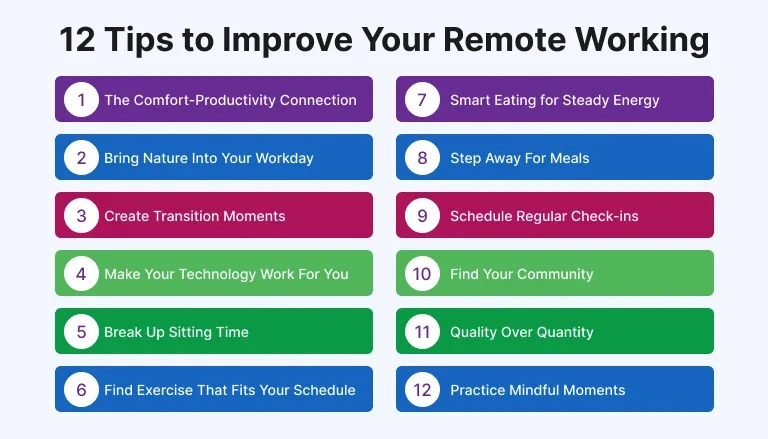
Moreover, the boundaries between work and personal life tend to blur. When your home becomes your office, it’s easy for distractions to creep in, causing mental fatigue and decreasing productivity. These factors can quickly undermine your ability to concentrate and perform at your best.
How Creativity Boosts Productivity and Job Satisfaction
Creativity isn’t just for artists or designers; it’s a vital component in problem-solving and innovation across all fields. For remote workers, creative thinking breathes new life into daily routines, helping you approach challenges with fresh perspectives. This not only increases productivity but also enhances job satisfaction, turning mundane tasks into engaging opportunities for growth.
When you nurture creativity, you build resilience against burnout. It allows you to adapt to changes and find joy in your work, which is especially important when you lack the social reinforcement of a traditional workplace. Ultimately, cultivating focus and creativity together creates a powerful synergy that can transform your remote work experience.
Morning Rituals to Kickstart Your Focus
Establishing a Consistent Wake-Up Time
The way you start your day sets the tone for everything that follows. Remote workers often face irregular schedules, but establishing a consistent wake-up time can anchor your day and improve mental clarity. When your body gets used to a routine, your internal clock helps prime your mind to be alert and ready for work.
Waking up at the same time daily also aids in maintaining better sleep quality, which directly affects focus and creativity. While the freedom to sleep in can be tempting, treating your remote job with the same discipline as an office role fosters productivity.
Mental Warm-Ups: Meditation and Mindfulness Practices
Taking a few minutes in the morning for meditation or mindfulness creates a calm and centered mindset. These practices reduce stress, sharpen your attention span, and can clear mental clutter. Even a brief session of deep breathing or guided meditation can prepare your brain for the cognitive demands of the day.
Some remote workers find that journaling first thing or practicing gratitude also sets a positive mood. The key is consistency—integrating these rituals regularly can build mental stamina and encourage a more focused and creative mindset.
Nutrition and Hydration Tips for Cognitive Clarity
What you eat and drink directly influences brain function. Starting the day with a balanced breakfast rich in proteins, healthy fats, and complex carbohydrates fuels your body and mind. Avoid heavy, sugary meals that can lead to energy crashes and foggy thinking.
Hydration is equally important; even mild dehydration affects concentration and memory. Drinking a glass of water right after waking up and keeping a bottle nearby while working helps maintain alertness throughout your morning tasks.
Designing an Environment that Fosters Creativity and Concentration
Optimizing Your Remote Workspace Setup
Your workspace is more than just a desk; it’s where your mind shifts into work mode. Creating a dedicated area solely for work helps signal to your brain when it’s time to focus. Choose a comfortable chair and desk at the right height to prevent physical discomfort, which can distract you from tasks.
Consider decluttering your space regularly. A tidy environment reduces mental noise and invites creativity. Personal touches like plants or inspiring artwork can also uplift your mood, making the space inviting and stimulating.
The Role of Lighting and Color Psychology
Lighting plays an underrated role in cognitive performance. Natural light, when possible, is the best option, as it boosts serotonin levels and enhances alertness. If your workspace lacks natural light, invest in quality LED bulbs that mimic daylight tones.
Colors can also influence your creativity and focus. Soft blues and greens tend to promote calmness and concentration, while brighter hues like yellow can stimulate creativity. Be mindful of how these elements interact in your space to strike the right balance.
Minimizing Distractions Without Isolating Yourself
While it’s important to limit distractions like unnecessary notifications or background noise, remote work doesn’t have to mean total isolation. Strategically use noise-canceling headphones or background music tuned for focus, such as instrumental or nature sounds, to block out distractions while maintaining a sense of connection.
Additionally, communicate boundaries clearly with household members or roommates to safeguard your work time. However, allow for moments of social interaction or breaks that keep you connected and prevent feelings of loneliness.
Productivity Techniques Tailored for Remote Working
Time Blocking and the Pomodoro Technique
Managing your time effectively is crucial when working remotely. Time blocking dedicates specific chunks of your day to particular tasks, helping to minimize multitasking and increase focus on one objective at a time. This method provides structure without rigidity, allowing for flexibility around your most productive hours.
The Pomodoro Technique complements this by breaking work into focused intervals, typically 25 minutes, followed by short breaks. These cycles prevent burnout and maintain high levels of concentration, making it easier to tackle complex or creative tasks without feeling overwhelmed.
Using Digital Tools to Organize Thoughts and Ideas
Remote workers benefit greatly from digital tools designed to capture and organize ideas. Apps like digital notebooks or mind-mapping software help you quickly jot down sparks of creativity without losing track of them.
Project management platforms can also keep your workflow orderly, reducing cognitive load. When your ideas are neatly organized and easily accessible, your brain can switch seamlessly between tasks and generate creative solutions more readily.
Daily Breaks: The Secret Weapon for Sustained Focus
Physical Movement and Stretching Routines
Sitting for extended periods can impair both your physical health and mental alertness. Incorporating short stretching sessions or light exercises throughout the day refreshes your body and revitalizes your brain. Simple activities like walking around the room, stretching shoulders, or even a few yoga poses can reset your focus.
Regular movement increases blood flow to the brain, improving memory and creativity. These mini-breaks are essential in remote work where you might lack natural pauses like walking to meetings or chatting by the water cooler.
Creative Mini-Exercises to Reignite Inspiration
Taking deliberate mental breaks that encourage creativity can jumpstart your problem-solving abilities. Try sketching, free writing, or even brainstorming unrelated ideas for a few minutes. These exercises loosen rigid thinking patterns and open pathways to innovation.
Sometimes stepping away from your main work and engaging in a playful or imaginative activity can generate breakthroughs that standard work modes might not reach. It’s a small investment with a big payoff for your focus and creativity.
Evening Habits to Reflect, Recharge, and Plan
Journaling for Creative Expression and Problem Solving
Reflection is a powerful tool for growth. Journaling in the evening allows you to process the day’s experiences, express ideas freely, and tackle lingering problems with fresh insight. Writing down your thoughts can be cathartic and sometimes leads to creative solutions that weren’t obvious during work hours.
This habit also helps clear your mind before sleep, improving rest quality, which in turn supports better focus the next day. It’s a simple way to close the workday with intention and mindfulness.
Preparing for Tomorrow: Setting Intentions and Goals
Planning your next day the night before reduces morning decision fatigue. Setting clear intentions or writing a to-do list primes your brain for productivity. You’ll wake with a roadmap, reducing stress and increasing motivation to dive into your work.
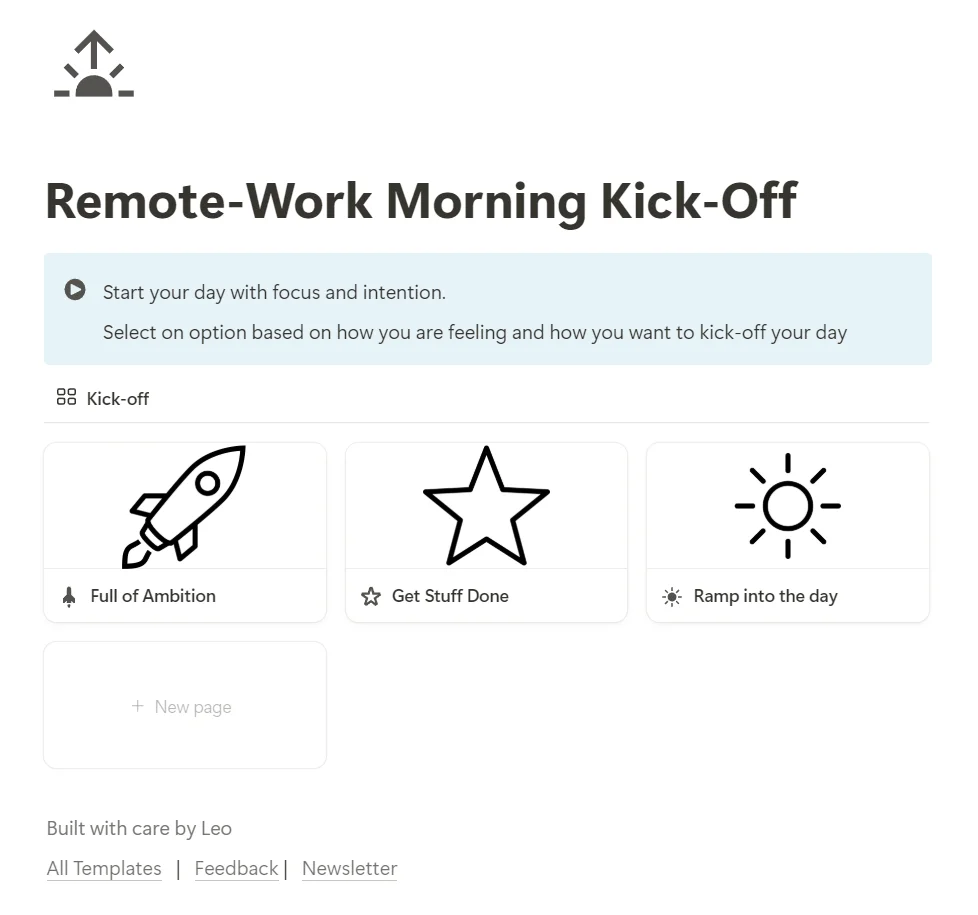
This forward-thinking habit transforms uncertainty into control and creates a sense of purpose, reinforcing both focus and creativity as you start the day.
Case Study Section: Successful Remote Workers Sharing Their Focus-Boosting Habits
Many remote workers have found their stride by developing unique routines that blend discipline with flexibility. Take Maria, a freelance graphic designer, who swears by her morning meditation followed by a walk outside to gather creative inspiration. She credits this habit with helping her deliver fresh and innovative designs consistently.
Then there’s James, a software developer, who uses strict time blocking alongside multiple short breaks involving physical stretches. His system drastically improved his ability to handle complex coding projects without burnout.
Another example is Aisha, a content writer, who transformed her workspace by adding plants and using color psychology, switching her office paint to a calming shade of green. This change, combined with evening journaling, has enhanced her creative flow and focus dramatically.
These stories highlight that while the specifics vary, intentional daily habits that foster focus and creativity are the foundation of success for remote workers.
Conclusion: Integrating Daily Habits for Long-Term Success in Remote Work
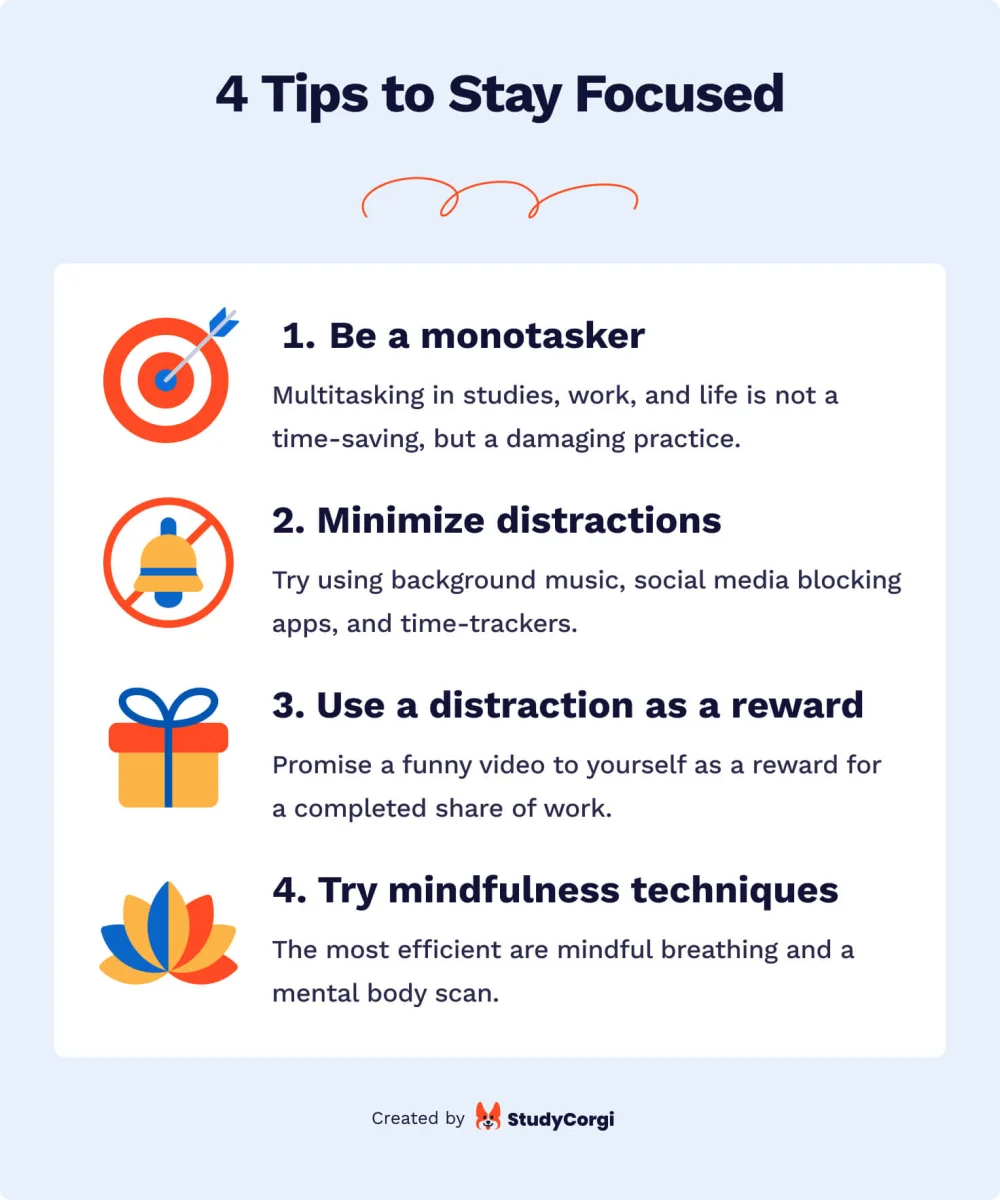
Remote working offers unparalleled flexibility, but to thrive, it demands deliberate strategies to maintain mental sharpness and creative energy. By establishing morning rituals, optimizing your environment, and utilizing effective productivity techniques, you create a sustainable framework that supports your best work.
Remember, breaks and physical movement are not time lost—they are essential for sustaining mental vitality. Reflective evening practices further reinforce your ability to face each day with clarity and purpose. The key is consistency and adaptability, finding habits that resonate with your unique style and needs.
Ultimately, integrating these daily habits leads not only to improved focus and creativity but also to a more fulfilling and balanced remote work life. With patience and persistence, you can turn the challenges of remote work into opportunities for growth and innovation.


