
Introduction: Why Weekend Hiking is Perfect for Families with Young Kids
Finding outdoor activities that engage children under 10 can be challenging, especially in a world filled with digital distractions. Weekend hiking offers an excellent opportunity for families to unplug, bond, and discover nature together. The fresh air and gentle exercise help children develop physically while stimulating their curiosity and sense of adventure. However, selecting trails that are suitable for young kids is crucial to avoid frustration or safety concerns. This article guides you through some of the best family-friendly hiking trails near [Your City], designed specifically with young children in mind.
Top Family-Friendly Trails Around [Your City]
Trail 1: Overview and Highlights
One of the most popular trails in the area is the Brookside Nature Loop. This trail stands out because it features a short, well-marked path with minimal elevation changes, making it ideal for little legs. Children can enjoy spotting various birds and butterflies, while parents appreciate the clean, shaded areas perfect for breaks. The presence of benches and picnic spots along the route enhances the experience by offering comfortable resting points, which is essential for maintaining energy and enthusiasm throughout the hike.
Trail 2: What Makes It Ideal for Children Under 10

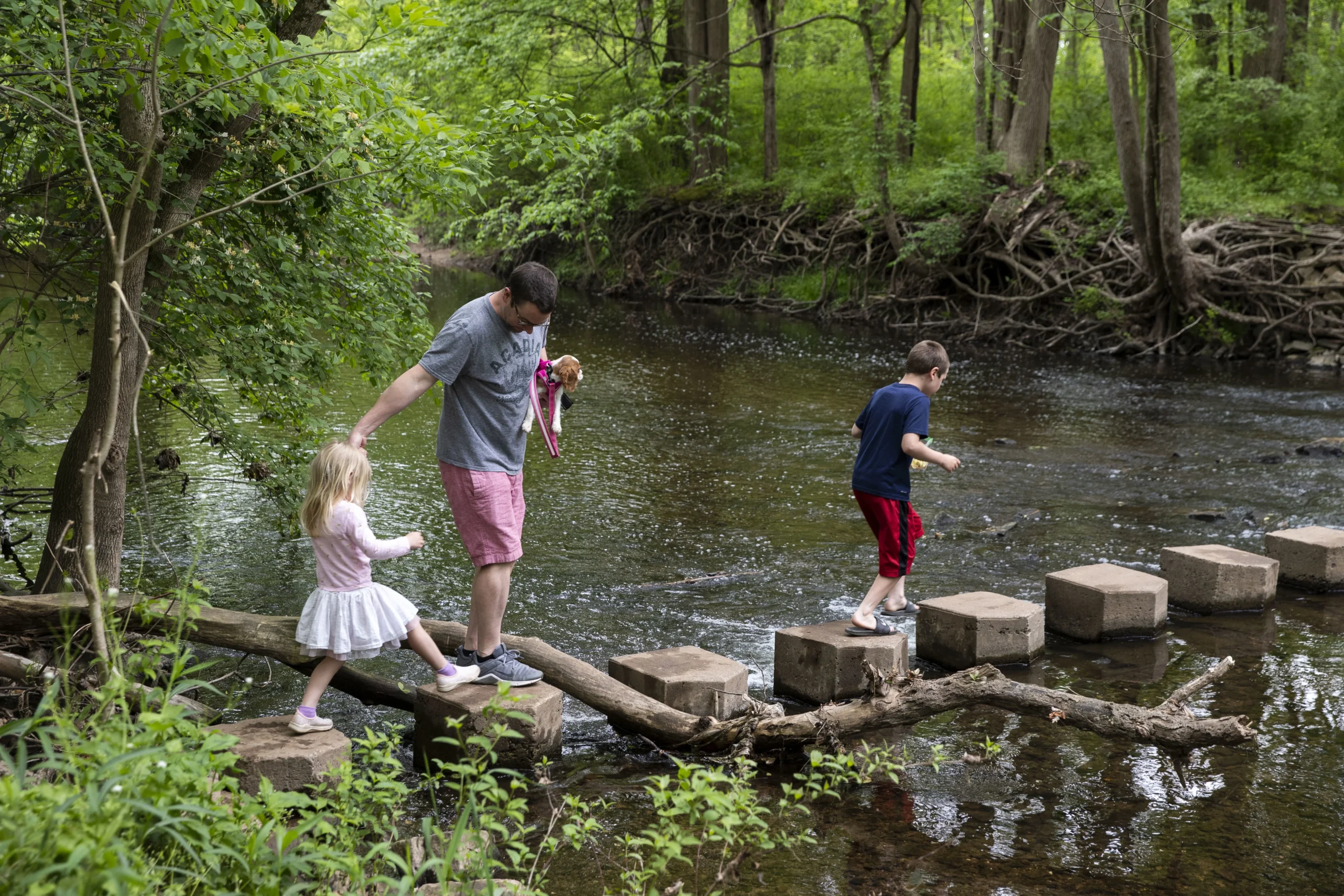
The Willow Creek Trail offers gentle terrain with soft dirt paths that reduce the risk of slips or falls. The trail’s main attraction for young children is a small stream that runs alongside it, allowing kids to explore safely near the water under adult supervision. The trail is short enough to prevent exhaustion but long enough to keep children curious and engaged. Clear trail markers and proximity to parking also make this route particularly convenient for families who want a hassle-free experience without spending too much time preparing.
Trail 3: Safety and Accessibility Features
Located just outside the city, the Pine Grove Trail prioritizes safety and accessibility without compromising natural beauty. Wide paths accommodate strollers, and the terrain is flat, which benefits both toddlers and children with limited hiking experience. Safety measures such as guardrails near steeper sections and regular maintenance reduce hazards. Additionally, emergency access points are well-marked, providing peace of mind to parents concerned about remote areas. This trail’s design ensures families can focus on enjoying the hike rather than worrying about potential dangers.
Preparing for Your Family Hiking Adventure
Essential Gear for Kids
One common hurdle in weekend hikes with young children is underestimating the gear needed. Kids require comfortable walking shoes with good grip, weather-appropriate clothing, and sun protection like hats or light jackets. Carrying a small backpack with their favorite water bottle and perhaps a lightweight jacket can empower children and help them feel involved. Without proper footwear and clothing, children may become uncomfortable quickly, leading to complaints and shortened trips.
Packing Snacks and Hydration Tips
Energy dips often cause frustration and fatigue among young hikers, so planning snacks is crucial. Opt for nutrient-rich options like fruit slices, granola bars, or trail mix that are easy to eat on the move. Hydration is equally important; even mild exertion can tire children if they become dehydrated. Packing enough water and offering regular sips before thirst sets in helps maintain energy levels and prevents headaches or crankiness. Avoid sugary drinks that can lead to energy crashes and instead focus on balanced hydration.
Engaging Children on the Trail
Nature Games and Activities
Keeping children engaged throughout the hike prevents boredom and distractions, which can be dangerous on trails. Simple nature games such as a scavenger hunt for specific leaves, rocks, or birds encourage kids to observe their surroundings and stay attentive. Storytelling about forest creatures or turning the hike into a treasure hunt adds excitement and makes the walk feel like an adventure rather than a chore. These interactive elements help children connect with nature emotionally, enhancing the overall experience.
Educational Elements: Learning About Local Wildlife
Introducing children to local wildlife adds an enriching layer to weekend hikes. Parents can prepare by researching common animals and plants in the area or downloading apps that identify flora and fauna. Spotting squirrels, birds, or interesting plants along the path sparks curiosity and teaches respect for the environment. Turning the hike into a mini biology lesson encourages kids to ask questions and develop observational skills while fostering a love for nature that could last a lifetime.
Additional Resources and Trail Maps
Planning a family hiking trip becomes easier with access to detailed trail maps and resources. Local parks websites and visitor centers often provide printable maps, safety guidelines, and trail difficulty ratings tailored for families. Some apps also offer GPS navigation and user reviews highlighting child-friendliness of trails. Utilizing these resources helps ensure that families are well-prepared, can anticipate the route, and find alternative trails if needed. Knowing the layout in advance reduces stress and allows parents to focus on creating happy memories with their children.


