
Understanding the Challenge: Why Reducing Screen Time Can Trigger Meltdowns
Psychological Impact of Screen Time on Children
Screen time plays a significant role in the lives of many children today, often providing entertainment, education, and social interaction. However, prolonged exposure to screens can also affect their psychological state. The bright visuals and engaging content stimulate the brain, releasing dopamine, which creates a feeling of pleasure and reward. When screen time is suddenly reduced, children may struggle with this withdrawal, experiencing difficulty adjusting to less stimulating activities. This can manifest as irritability, restlessness, or outright frustration, as their brains crave the familiar digital engagement.
Common Emotional Responses During Screen Time Limits
When parents impose restrictions on screen use, children often respond emotionally. These reactions can range from mild disappointment to intense tantrums or meltdowns. Feelings of boredom, anxiety, or a sense of loss are typical, especially if screen time has become a primary source of comfort or distraction. It is important to understand that these emotional responses are not just behavioral issues but are often the result of genuine difficulty in coping with change and managing emotions.
Setting the Stage: Preparing Your Child for Screen Time Reduction
Communicating Changes Effectively
Before reducing screen time, it’s essential to prepare your child through clear and compassionate communication. Explain why you are making this change in a way that matches their level of understanding. Instead of framing it as a punishment, highlight the benefits, such as more time for fun activities, better sleep, or improved focus. Using positive language helps children feel respected and less defensive about the new rules.
Involving Your Child in Goal-Setting
Engagement in the process can greatly reduce resistance. Invite your child to participate in setting screen time limits. When children have a say in deciding how much time they spend on devices, they tend to feel more in control and motivated to stick to the agreed boundaries. This collaborative approach also provides an opportunity to discuss any concerns or preferences, making the transition smoother for both parties.
Practical Strategies to Cut Screen Time Gently
Gradual Reduction vs. Abrupt Cutoffs
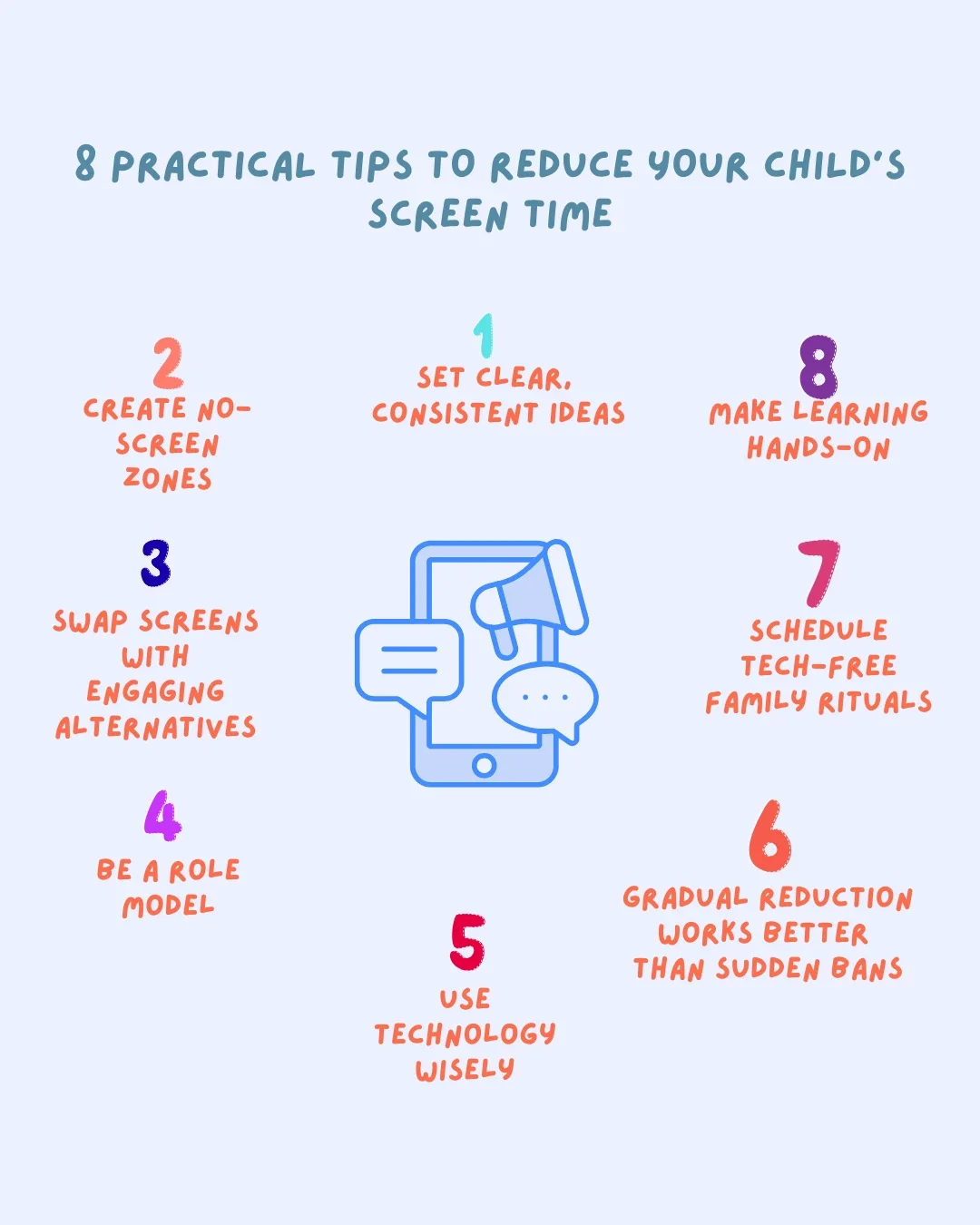
A sudden ban on screens can provoke strong reactions, so a gradual reduction is generally more effective. Slowly decreasing daily screen time over several days or weeks allows children to adapt without feeling deprived. For instance, if a child currently has three hours of screen time, cutting down by 15 or 30 minutes every few days is far less shocking than going straight to zero or a very limited amount abruptly.
Creating Engaging Alternatives to Screens
Simply taking screens away without offering attractive alternatives often leads to frustration. To support a smoother adjustment, introduce engaging activities that capture your child’s interest. This might include playing board games, drawing, reading together, or exploring outdoor activities. These alternatives not only fill the void left by screens but also help develop other skills and promote a balanced lifestyle.
Using Timers and Visual Cues
Tools like timers and visual schedules can make screen time limits more tangible for children. Setting a timer gives a clear, impartial indication of when screen time ends, reducing subjective interpretations that often lead to disputes. Visual charts or clocks can help children see how much time they have left, enabling them to mentally prepare for the transition. This method fosters a sense of predictability and control.
Managing Meltdowns: Techniques That Work
Recognizing Early Signs of Frustration
Being attuned to your child’s emotional state helps prevent meltdowns before they escalate. Look for early signs such as restlessness, whining, or withdrawal from interaction, which often signal rising frustration. Addressing these cues promptly by offering reassurance or redirecting their attention can defuse tension and create a calmer environment.
Calming Strategies for Parents and Children
During a meltdown, remaining calm yourself is crucial. Children feed off parental emotions, so a composed response can help them regain control. Techniques such as deep breathing exercises, gentle hugs, or quiet time in a comforting space encourage relaxation. Teaching children simple self-soothing methods empowers them to manage their emotions independently over time.
Maintaining Balance: Long-Term Tips for Healthy Screen Habits
Establishing Consistent Routines
Consistency is key to sustaining healthy screen habits. Establishing daily routines with set times for screen use and other activities helps children know what to expect, reducing anxiety and conflict. Having clear but flexible rules within a structured schedule makes it easier for children to develop self-discipline and understand boundaries.
Encouraging Outdoor and Social Activities
Encouraging children to spend time outdoors and engage with peers provides natural, healthy alternatives to screen entertainment. Physical activity stimulates mood-enhancing chemicals and supports cognitive development. Social interactions teach communication and empathy skills, creating a well-rounded experience that lessens reliance on screens for fulfillment.


