
Understanding the Basics of Strength Training at Home
Why Build Strength Without Weights?
When John found himself stuck at home during a busy work period, the gym was out of reach. Instead of giving up on his fitness goals, he started exploring ways to build strength without any equipment. This approach isn’t just for those without access to weights; it’s a versatile and cost-effective way to enhance muscular endurance and functional fitness. Working out without weights also reduces the risk of injury from improper lifting techniques and allows you to focus on controlled movements.
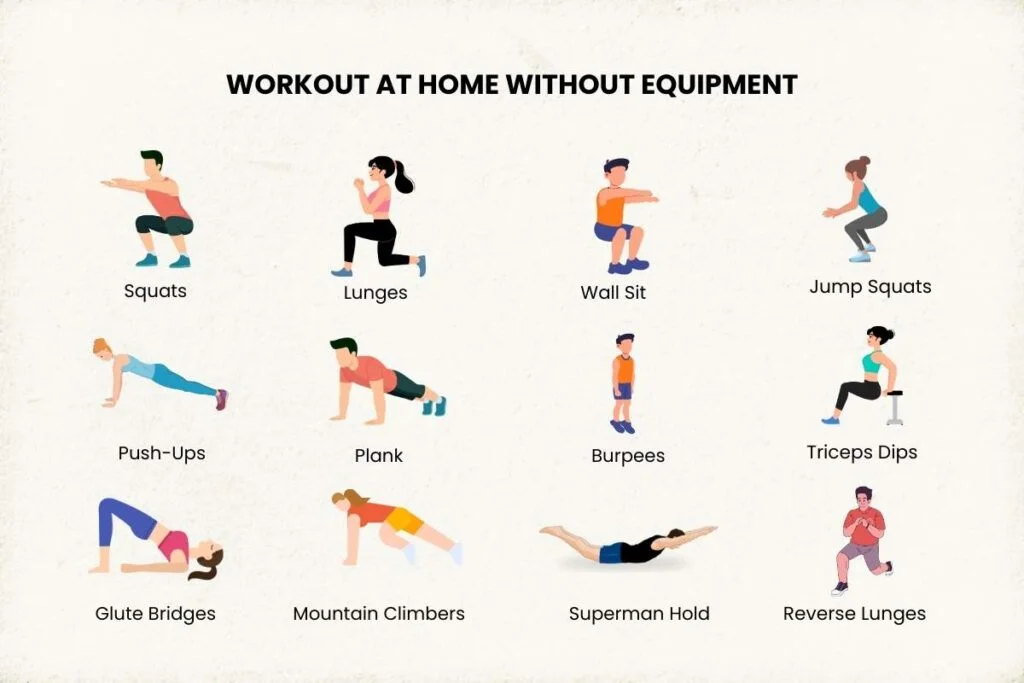
More importantly, strength training without weights leverages your own body resistance, making it accessible anytime and anywhere. Whether setting up a corner in your living room or stepping into the backyard, no weights are needed to develop power and muscle tone. This approach adapts well for beginners and experienced athletes looking to maintain or improve strength when equipment isn’t an option.
Key Muscles to Target for Overall Strength
Understanding which muscles to focus on optimizes your workouts. Imagine Mary, a busy mom who wanted to feel stronger during daily tasks like carrying groceries and lifting her kids. She focused on major muscle groups: the chest and triceps for pushing movements, the legs for stability and mobility, and the core to support posture and balance.
Targeting these key muscles—the chest, back, legs, and core—ensures you develop comprehensive strength that translates into everyday life. Working on all of these areas helps prevent muscle imbalances and reduces the risk of injury. For example, strong legs and core can improve your ability to perform hiking or even simple household chores with less strain.
Essential Warm-Up Techniques to Prevent Injury
Dynamic Stretches and Mobility Exercises
Before diving into any strength training routine, warming up is crucial. Sarah once jumped into a home workout without warming up and ended up with a strained shoulder. To avoid this, integrating dynamic stretches like arm circles, leg swings, and hip openers can increase blood flow and prepare muscles for movement.
Mobility exercises, such as shoulder rolls and ankle rotations, improve joint range of motion, reducing stiffness and the likelihood of injury. A good warm-up not only physically prepares you but also mentally primes you for the workout ahead.
Preparing Your Body for Home Workouts
Setting up your environment plays a big role in safety and effectiveness. For instance, Mike cleared a space in his living room and placed a yoga mat to cushion his hands and knees. Adequate hydration before starting and wearing comfortable clothes you can move freely in also enhance your readiness.
Consider performing low-impact movements first, like marching in place or gentle jumping jacks, to gradually raise your heart rate. This gradual build-up lets your nervous system engage and primes your muscles for the upcoming exertion.
Core Bodyweight Exercises for Strength Building
Upper Body: Push-Ups Variations
Push-ups are a staple for upper body strength and come in various forms to suit your current fitness level. Take Lisa, who started with wall push-ups to build shoulder and chest strength. As she gained confidence, she progressed to inclined push-ups using a sturdy table before moving to traditional floor push-ups.
Variations like wide-grip or diamond push-ups target different muscles, such as the chest or triceps, allowing you to challenge yourself progressively. The beauty of push-ups is they require no equipment but still provide a solid upper body workout.
Lower Body: Squats and Lunges
The legs are foundational for strength and mobility. David incorporated bodyweight squats into his daily routine to improve his stability after a knee injury. Lunges added a dynamic aspect, engaging balance and unilateral strength which helped correct muscle imbalances.
Proper form—keeping the knees aligned over the toes and maintaining an upright torso—is key. Adding pulses at the bottom of the movement or walking lunges can increase intensity without weights. These exercises also engage the glutes, hamstrings, and quads, all essential for functional strength.
Core: Planks and Leg Raises
A strong core supports almost every movement. For years, Emily struggled with lower back discomfort until she consistently included planks and leg raises in her routine. Planks, whether on the elbows or hands, develop endurance in the abdominal and back muscles, enhancing posture.
Leg raises challenge the lower abs and hip flexors, which are often neglected but crucial for overall core stability. These exercises don’t require any space or tools and can be modified in duration or repetitions to suit your level.
Creating an Effective Weekly Workout Plan
Balancing Exercise Intensity and Rest Days
When Tom designed his home workout schedule, he balanced strength sessions with rest and active recovery days. He realized that pushing too hard without breaks led to fatigue and burnout. A typical week might include three strength days interspersed with light stretching or walking days.
Rest days allow your muscles to repair and grow stronger. Without adequate recovery, you risk injury and stagnation. Listening to your body and adjusting intensity accordingly ensures consistent progress without setbacks.
Progressive Overload Without Equipment
Progressive overload is essential for continued strength gains. Since John didn’t have access to weights, he made his workouts harder by increasing repetitions, slowing down the tempo, or reducing rest between sets. For example, slowing down a squat to a five-second descent challenges muscles differently than a quick movement.
Adding variations, such as single-leg squats or plyometric moves like jump lunges, also elevates difficulty. The principle is to continuously challenge your muscles while maintaining good form.
Nutrition Tips to Support Strength Gains
Macronutrients and Hydration
Building strength isn’t just about exercise; nutrition plays a pivotal role. Jessica noticed improvements in her energy and recovery when she balanced her meals with protein, carbohydrates, and healthy fats. Protein supports muscle repair, while carbohydrates provide the fuel needed for high-intensity workouts.
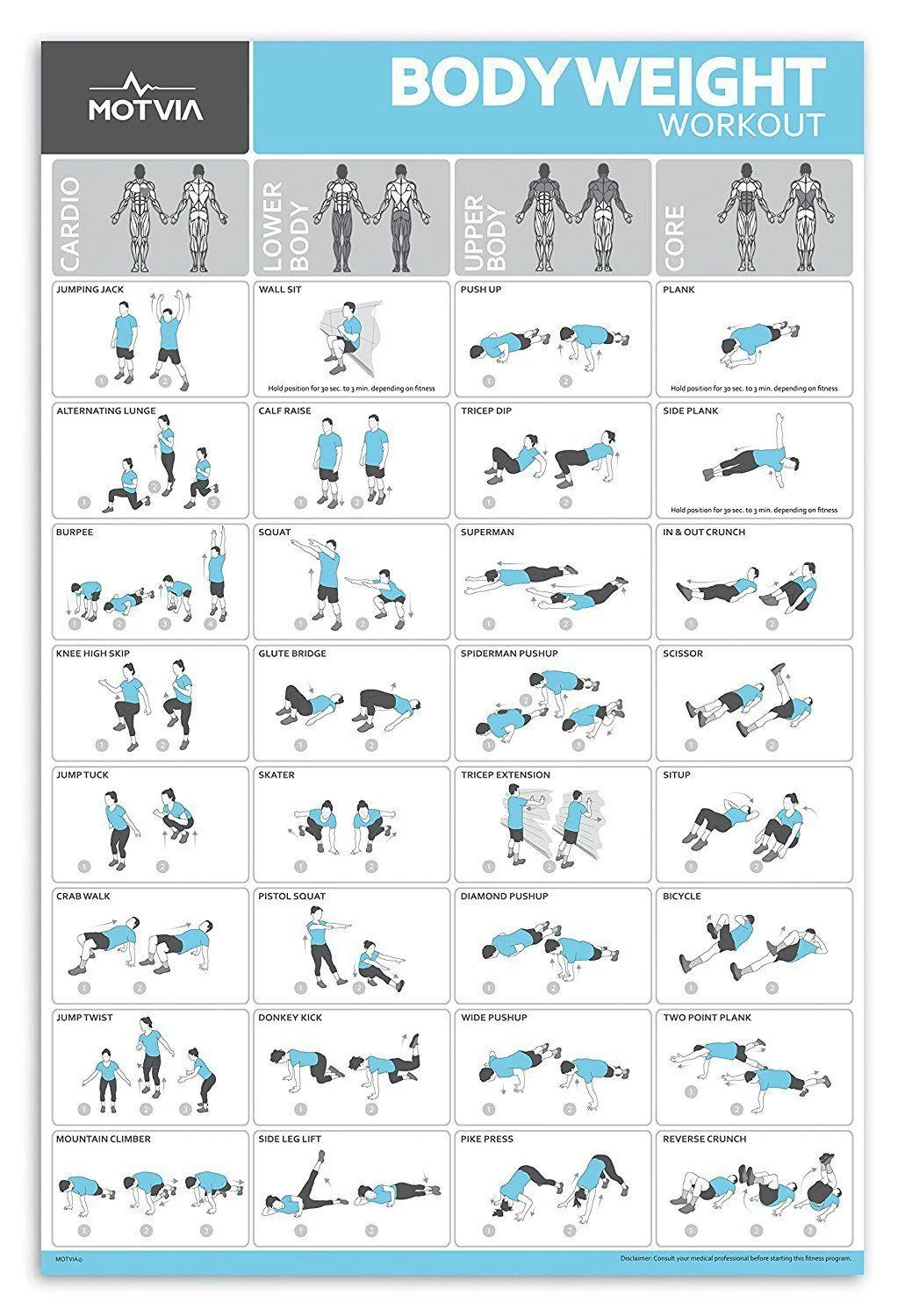
Equally important is hydration. Drinking water throughout the day and especially before and after workouts keeps your performance optimal and reduces the risk of cramps and fatigue. Small, frequent meals also help maintain energy levels.
Supplements Worth Considering
While whole foods should be your primary source of nutrients, some supplements can support strength training efforts. Creatine and branched-chain amino acids (BCAAs) are popular choices among individuals training at home to enhance muscle endurance and recovery.
However, it’s best to consult with a healthcare professional before starting any supplement regimen. Supplements are a complement, not a substitute, for a balanced diet.
Common Challenges and How to Overcome Them
Staying Motivated at Home
Without the gym’s energy, staying motivated can be tough. Anna overcame this by setting small, achievable goals like mastering 20 push-ups or holding a plank for one minute. Tracking these milestones gave her a sense of accomplishment and kept her engaged.
Creating a dedicated workout time, playing energizing music, or finding an online workout buddy are practical ways to maintain consistency. Remember, motivation can fluctuate but discipline keeps you moving forward.
Tracking Progress Without Weights
Without the simplicity of tracking weights lifted or reps completed, progress can feel intangible. To solve this, Mark took photos, recorded workout times, and tracked how long he held planks or the number of repetitions achieved. These measurable indicators provided tangible evidence of improvement.
Additionally, noting improvements in daily activities—like climbing stairs with less fatigue or easier carrying of heavy objects—reflect your growing strength. These real-life successes often mean more than numbers on paper.


