
Understanding the Impact of Screen Time on Teen Mental Wellbeing
The psychological effects of excessive screen use
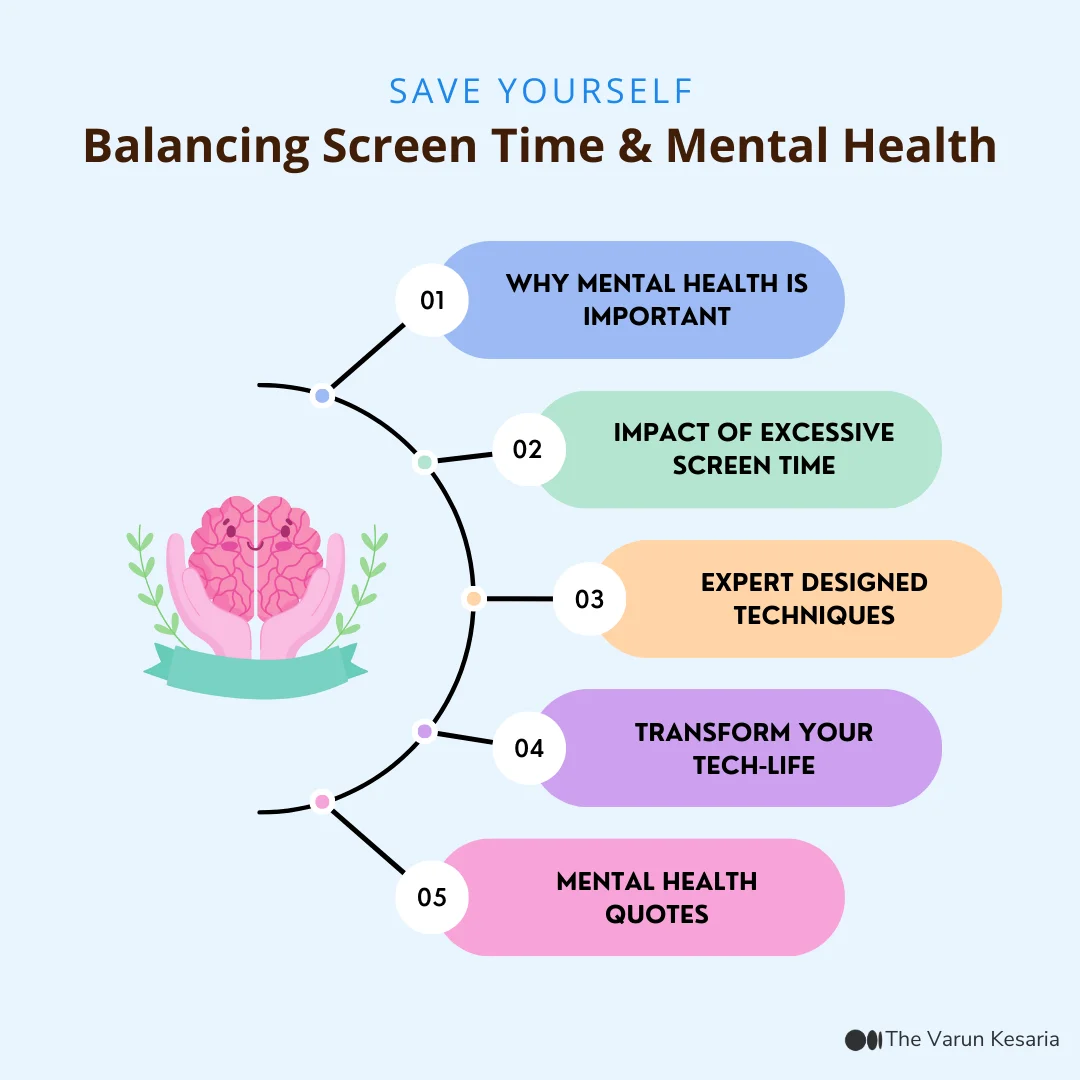
Excessive screen time among teenagers can lead to increased stress, anxiety, and feelings of isolation. Constant exposure to digital devices often causes overstimulation, which can make it difficult for teens to relax and unwind. The flood of information and notifications may also contribute to shorter attention spans and reduced emotional resilience, negatively affecting overall mental health.
How screen time influences sleep patterns
Screen use, especially before bedtime, disrupts natural sleep cycles. The blue light emitted by devices suppresses melatonin production, delaying sleep onset and reducing sleep quality. For teens, this disruption often results in daytime fatigue, poor concentration, and mood swings. Maintaining a clear boundary around device use before sleep is crucial to preserving healthy rest patterns.
The role of social media in shaping teenage self-esteem
Social media platforms significantly impact how teens perceive themselves. While they offer opportunities for connection, they can also expose users to unrealistic comparisons and cyberbullying. These experiences may lower self-esteem and contribute to feelings of inadequacy or social anxiety. Recognizing the curated nature of online content helps teens develop a more balanced self-view.
Establishing Healthy Screen Time Habits
Setting realistic daily limits for screen usage
Implementing achievable limits on daily screen time helps teens manage their digital intake without feeling deprived. These limits should consider schoolwork, leisure, and social interaction needs. Flexibility is key; allowing occasional exceptions prevents resistance and encourages long-term adherence to healthier habits.
Creating screen-free zones and times
Designating specific areas, such as dining rooms and bedrooms, as screen-free fosters mindful device use. Similarly, allocating times during the day for technology breaks promotes balance. These strategies encourage teens to engage in offline activities, strengthen family bonds, and reduce overall screen dependency.
Encouraging mindful and purposeful technology use
Teaching teens to approach screen time with intention can transform their experience. Encouraging them to identify the purpose behind device use—whether for learning, creativity, or socializing—helps prevent aimless scrolling. This mindfulness nurtures better focus and reduces the addictive potential of technology.
Alternative Activities to Promote Mental Wellness
Physical exercise and outdoor activities
Regular physical activity benefits both the body and mind. Outdoor exercise exposes teens to natural light and fresh air, enhancing mood and reducing stress. Activities like sports, hiking, or casual walks provide healthy outlets for energy and create opportunities for social interaction.
Engaging creative hobbies and arts
Creative pursuits offer a constructive way to express emotions and develop new skills. Drawing, writing, music, and crafting encourage self-reflection and relaxation. These activities can become fulfilling alternatives to screen use, helping teens build confidence and emotional balance.
Strengthening face-to-face social interactions
In-person interactions remain essential for developing empathy and communication skills. Encouraging teens to spend quality time with family and friends supports emotional wellbeing. Such connections counteract feelings of loneliness often associated with excessive screen time.
Parental Guidance and Communication Techniques
Modeling balanced screen habits at home
Parents who demonstrate healthy technology use inspire similar behaviors in their children. By limiting their own screen time and prioritizing real-world interactions, they set a powerful example. This approach fosters an environment where balanced device use is the norm rather than the exception.
Open dialogues about mental health and technology
Creating safe spaces for conversations encourages teens to express concerns about their digital experiences. Discussing the emotional impact of technology use openly normalizes these topics and helps parents offer timely support. Listening without judgment builds trust and understanding.
Collaborative rule-setting for screen time management
Involving teens in setting screen time rules increases their sense of ownership and cooperation. Jointly established guidelines are more likely to be respected and adjusted as needed. This cooperative strategy nurtures responsibility and mutual respect.
Leveraging Technology to Support Mental Wellbeing
Apps that help monitor and limit screen use
Various apps provide tools for tracking and controlling device usage. These can gently remind teens to take breaks and adhere to limits. Monitoring features also offer parents insights without intrusive supervision, maintaining a healthy balance between guidance and independence.
Digital tools for meditation and relaxation
Meditation apps and relaxation guides offer accessible ways for teens to manage stress. These tools promote mindfulness, improve focus, and support emotional regulation. Regular use can complement other mental wellness activities effectively.
Educational resources on mental health awareness
Technology also provides access to valuable mental health information. Online platforms and programs educate teens about recognizing signs of distress and seeking help. Empowering them with knowledge fosters proactive attitudes toward self-care and wellness.


