
Understanding the Challenge of Small Closet Spaces
Common Problems in Small Closet Organization
Small closets often come with a unique set of challenges that can make organization seem daunting. Limited square footage restricts how much you can store, leading to overcrowding and clutter. The lack of proper shelving or storage options can cause items to pile up haphazardly, making it difficult to locate what you need quickly. Additionally, poor lighting inside these compact spaces can make the closet feel even smaller and less inviting.

Benefits of DIY Solutions
Taking a do-it-yourself approach to organizing a small closet allows you to customize the space according to your specific needs and habits. DIY solutions offer the flexibility to maximize every inch without the expense of professional installation or buying expensive pre-made organizers. Furthermore, crafting your own storage options can be a satisfying process that encourages creativity and results in a more functional, personalized closet.
Evaluating Your Closet: What to Keep and What to Toss
Conducting a Closet Audit
Before jumping into organization, it’s essential to assess what you currently have. Start by emptying your closet entirely and sorting your belongings into categories such as clothing, shoes, accessories, and miscellaneous items. This process helps you visualize the true volume of your possessions and identify duplicates or items you rarely use. Knowing what you own is the foundation for creating an efficient storage system tailored to your actual needs.
Decluttering Tips for Small Spaces
Once you complete your audit, the next step is decluttering. Be honest with yourself about what you wear regularly and what has become unnecessary. Consider setting aside items that haven’t been used in months or no longer fit your style. Donating or selling these belongings not only frees up space but also simplifies your wardrobe choices. Remember, the less you keep, the more room you create for neat and accessible organization.
DIY Storage Hacks to Expand Your Closet Capacity
Using Vertical Space Efficiently
Vertical space is often underutilized in small closets. Installing additional shelves or stacking storage bins can make a huge difference. For example, placing a second clothing rod halfway down from the existing one can double your hanging space, ideal for shorter pieces like shirts and pants. Wall-mounted hooks or pegboards are great for hanging accessories vertically, freeing up shelf and floor space.
Creating Custom Shelves and Dividers
Custom shelves and dividers tailored to your closet’s dimensions provide organized compartments that prevent items from becoming jumbled. You can use affordable materials like plywood or repurpose crates to build segmented shelves for shoes, bags, or folded clothes. Dividers keep piles of sweaters or linens neat and easy to grab without disturbing the rest of the stack, enhancing both visibility and order.
Repurposing Household Items for Storage
Many common household items can be cleverly repurposed to increase storage without additional spending. For instance, tension rods work well to create mini hanging areas for scarves or belts, while magazine holders can organize clutches or small purses vertically. Over-the-door shoe organizers are versatile for storing not only shoes but also cleaning supplies or hats. This inventive reuse reduces clutter by employing unexpected solutions that fit your closet’s unique shape.
Innovative Techniques to Maximize Accessibility
Sliding and Pull-Out Organizers
Maximizing space is only useful if you can easily access your belongings. Sliding baskets or pull-out shelves allow you to utilize deep or narrow areas without losing sight of what’s stored at the back. DIY options include adding sliding hardware to existing shelves or installing rolling crates, which can be pulled out smoothly. These features improve functionality and prevent the frustration of items hidden in difficult-to-reach corners.
Hooks, Rods, and Hanging Accessories
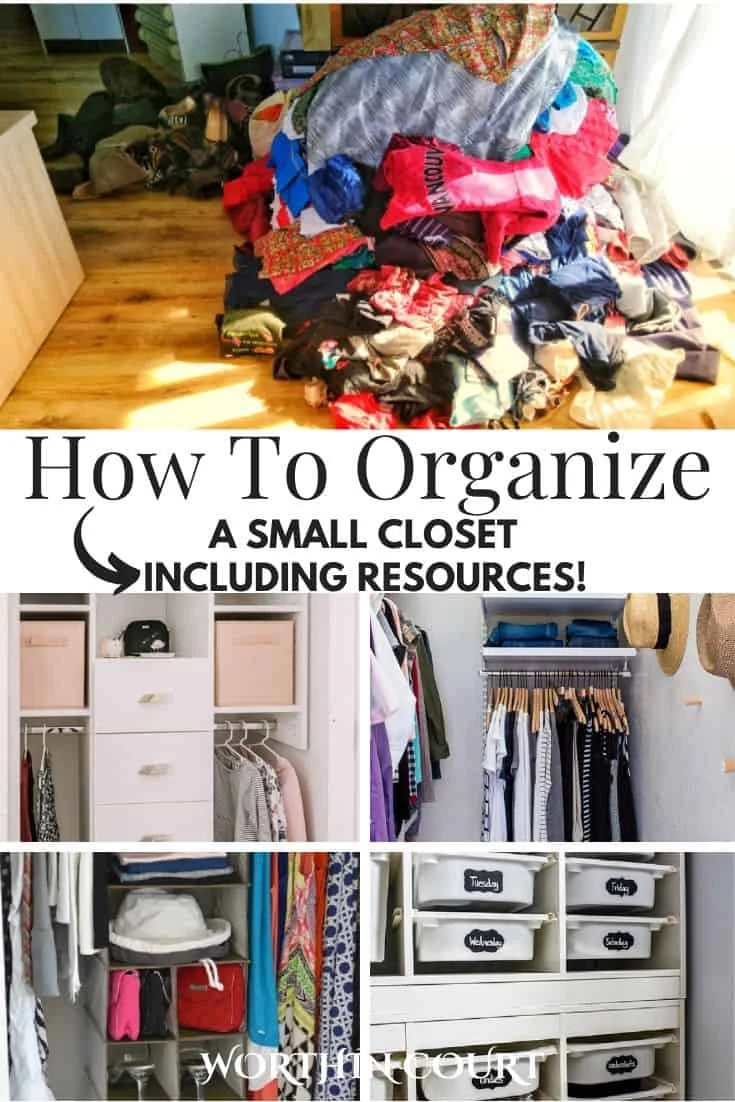
Incorporating various hooks and hanging accessories adds convenience by keeping frequently used items within arm’s reach. S-hooks can hang bags or necklaces from clothing rods, while tension rods installed in unused vertical spaces can hold scarves or ties. Magnetic strips can even be mounted to store metal items like pins or hair accessories. These additions boost accessibility and use space that might otherwise remain wasted.
Maintaining an Organized Small Closet Long-Term
Setting Up a Rotation System
Keeping your closet orderly over time requires ongoing effort. A rotation system where you swap seasonal clothes in and out ensures you only keep what’s currently relevant in the active space. Store off-season items in labeled bins elsewhere, reducing clutter and making it easier to find what you need quickly. Rotations also encourage mindful purchasing and use of your wardrobe.
Regular Maintenance and Cleaning Tips
Regularly scheduled maintenance is key to long-term success. Take a few minutes weekly to put items back in their designated spots and remove anything that’s out of place. Periodic deep cleaning involves dusting shelves, wiping down surfaces, and reassessing your storage effectiveness. By adopting these simple habits, your small closet will remain functional and inviting, preventing the reemergence of chaos.


