
Understanding Flexible Work Schedules
Definition and Types of Flexible Work Arrangements
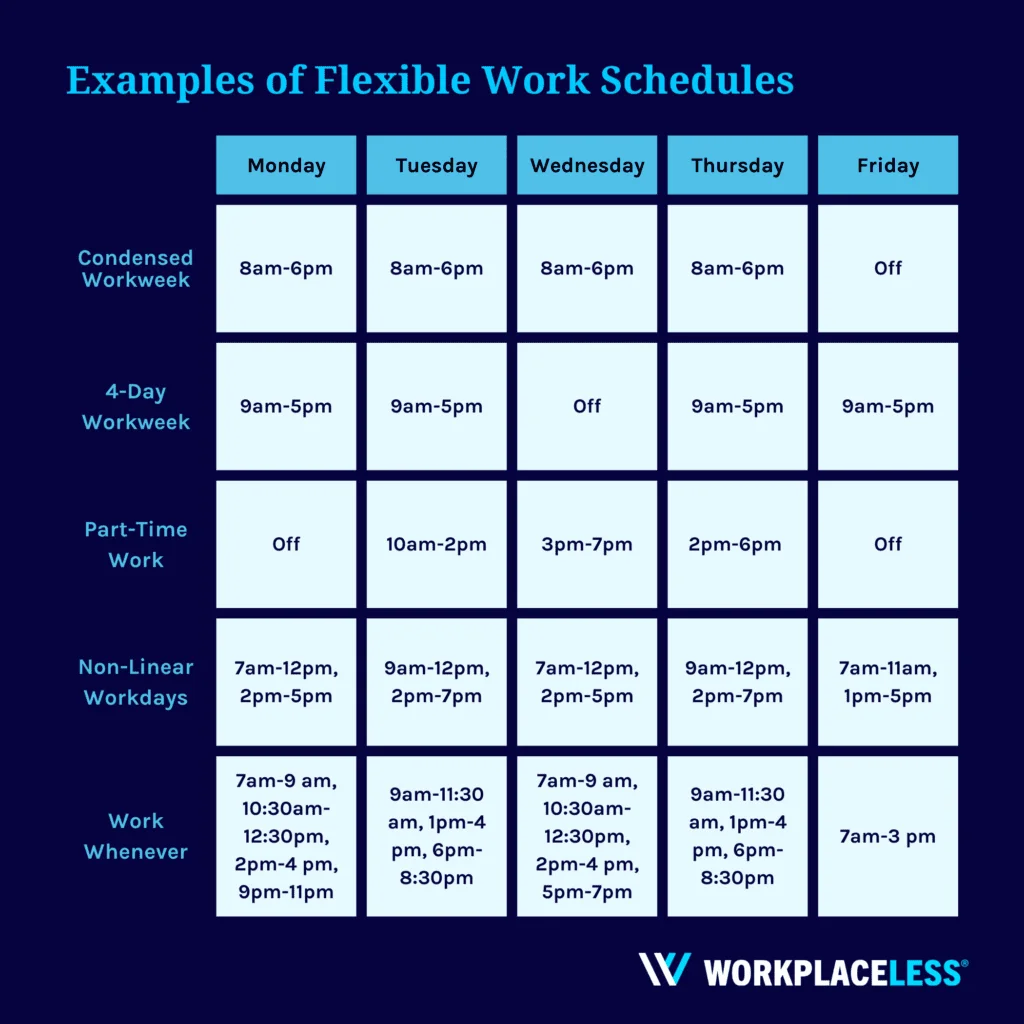
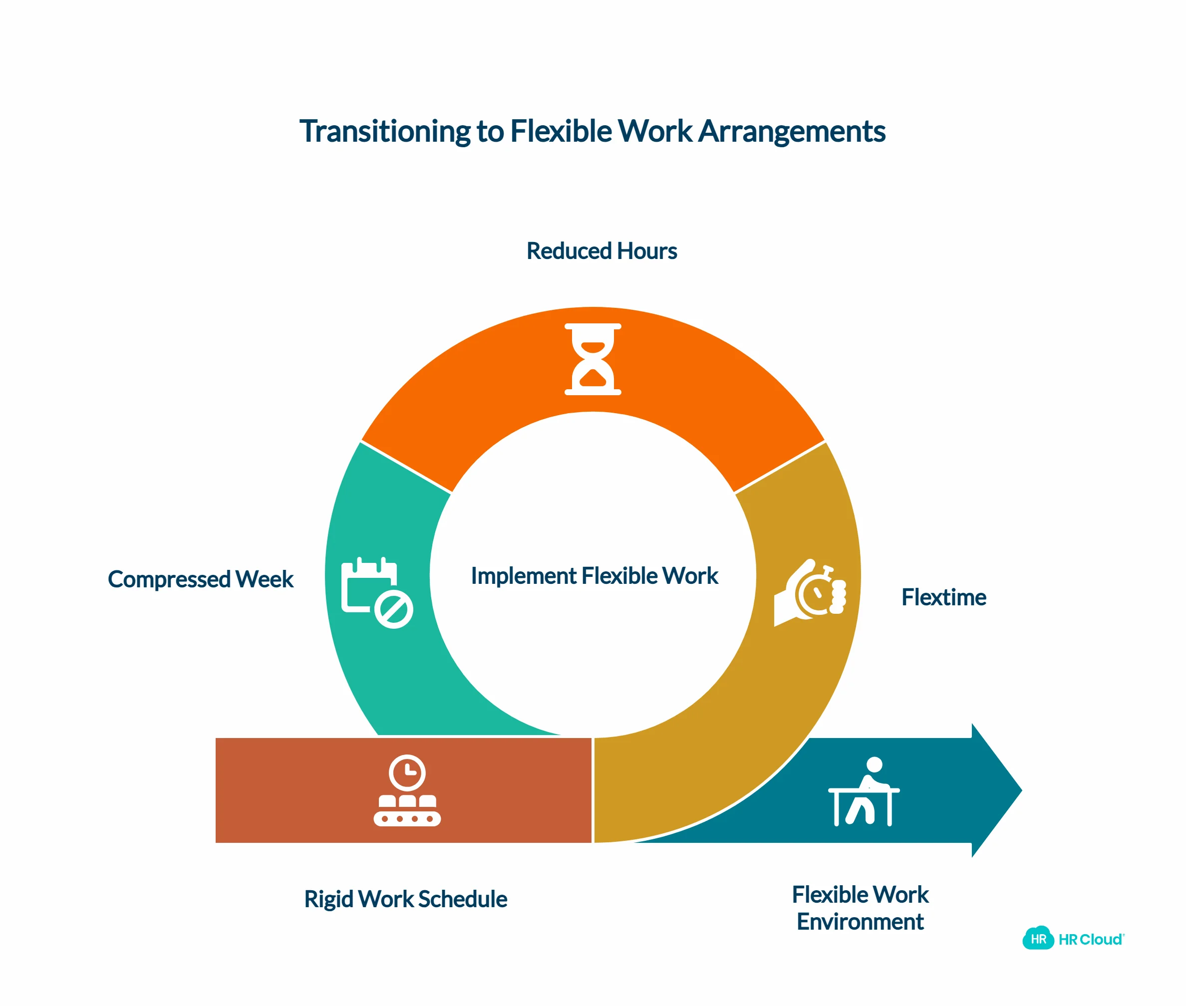
Flexible work schedules break the traditional 9-to-5 mold, allowing employees to adjust their work hours and locations based on personal needs and productivity patterns. This can range from flextime—where employees choose when to start and end their day—to compressed workweeks that pack full-time hours into fewer days, or remote work setups that eliminate the commute altogether. Each type offers a unique way to tailor professional commitments around life’s demands.
Benefits of Flexibility for Employees and Employers
Flexibility isn’t just a perk; it’s a game-changer. For employees, it often translates into improved morale, less stress, and a better balance between work and personal life. Employers reap rewards too—higher productivity, increased employee retention, and the ability to attract talent seeking modern work arrangements. When done right, flexible schedules foster a more engaged workforce and a healthier company culture.
Assessing Your Current Work Style and Responsibilities
Identifying Peak Productivity Hours
Before redesigning your schedule, it’s essential to know when you perform best. Are you a morning person who tackles complex tasks with ease, or do you find your flow in the late afternoon? Observing your work habits over a week or two can reveal these peak periods, allowing you to align demanding projects with your natural energy highs.
Recognizing Personal and Professional Priorities
Work isn’t the only commitment demanding your attention. Whether it’s family, fitness, or hobbies, personal priorities deserve space in your schedule. Equally, certain professional duties may require fixed timing or collaboration with others. Understanding both sides helps in crafting a flexible approach that truly supports your whole life, not just your job.
Designing the Ideal Flexible Work Schedule
Choosing the Right Flexible Model (Flextime, Compressed Workweek, Remote Work)
Not every flexible arrangement fits every person or role. Flextime offers freedom in daily start and end times, perfect for those juggling varied personal demands. A compressed workweek squeezes full hours into fewer days, granting longer weekends but requiring sustained focus during workdays. Remote work, meanwhile, removes geographic constraints, ideal for tasks not tied to a physical office. Consider your job’s requirements and your lifestyle to select the right model.
Incorporating Breaks and Buffer Times Strategically
Flexibility should include thoughtful pauses. Scheduling breaks prevents burnout and sustains productivity, while buffer times help absorb unexpected interruptions or transitions between tasks. These periods aren’t wasted; they’re key to maintaining momentum and mental clarity throughout your day.
Balancing Work Hours with Personal Commitments
The hallmark of an effective flexible schedule is harmony. This means intentionally carving out personal time amidst work obligations. Whether it’s school runs, exercise, or simply downtime, placing these commitments as fixed points, then working around them, ensures neither side feels compromised. Flexibility thrives on this give-and-take.
Tools and Techniques to Manage Flexible Schedules Efficiently
Utilizing Time-Tracking and Scheduling Software
Modern tools make managing flexible hours less daunting. Time-tracking apps can reveal how your hours are spent, highlighting opportunities to optimize. Scheduling software helps coordinate with colleagues, avoiding overlaps or missed meetings. These digital aids keep your flexible plan on track without sacrificing spontaneity.
Strategies for Setting Boundaries Between Work and Personal Life
One of the biggest challenges with flexible schedules is the risk of blurred boundaries. Establishing clear start and stop times signals to yourself and others when you’re “on the clock.” Creating a dedicated workspace and communicating your availability also helps maintain separation, ensuring work doesn’t seep into every corner of your personal life.
Communicating Your Flexible Schedule to Stakeholders
Discussing Flexibility with Your Manager or Team
Transparency is crucial. Sharing your proposed flexible hours with your manager and team helps set realistic expectations and fosters collaboration. Framing your schedule as a way to boost productivity, rather than reduce presence, can ease concerns and build trust.
Setting Expectations and Deliverables Clearly
Flexibility doesn’t mean ambiguity. Clearly outlining what you will deliver and by when reassures your colleagues and supervisors. It also creates accountability, so even if your hours differ, your output remains reliable.
Common Challenges and How to Overcome Them
Maintaining Discipline and Avoiding Overwork
Without fixed hours, it’s easy to fall into the trap of overworking. Developing routines and daily goals creates structure, while learning to say “no” or “not now” protects your personal time. Regular self-check-ins can help maintain healthy work boundaries.
Addressing Feelings of Isolation in Remote or Flexible Work
Working flexibly can sometimes lead to loneliness or disconnection. Combating this involves intentionally scheduling check-ins, virtual coffee breaks, or in-person meetups when possible. Building community isn’t automatic—it requires effort but pays dividends in well-being and collaboration.
Measuring the Impact of Your Flexible Schedule
Tracking Productivity and Task Completion
To know if your flexible schedule is working, track how well you meet deadlines and the quality of your output. Comparing this data over time helps identify what’s effective and where adjustments are needed.
Ensuring Personal Time is Respected and Enjoyed
Equally important is assessing whether your personal time feels replenishing. Are you able to unwind, pursue interests, and nurture relationships? Flexibility’s ultimate goal is to enhance life beyond work, so this reflection is key.
Case Studies: Successful Flexible Work Schedules in Action
Individual Examples of Increased Productivity
Consider Sarah, a graphic designer who shifted to flextime, focusing her work hours in the mornings when creativity struck. By aligning with her peak energy, she delivered projects faster and felt less stressed, freeing afternoons for family and exercise.
Company-wide Flexible Work Success Stories
Several firms have embraced flexible scheduling on a broad scale, reporting higher employee satisfaction and decreased turnover. For instance, a tech company introduced compressed workweeks, resulting in energized teams and sustained client service without longer hours. Their experience underscores that flexibility can be a strategic advantage, not just an employee benefit.


