
Understanding the Importance of a Morning Self-Care Routine
Psychological Benefits of Morning Self-Care
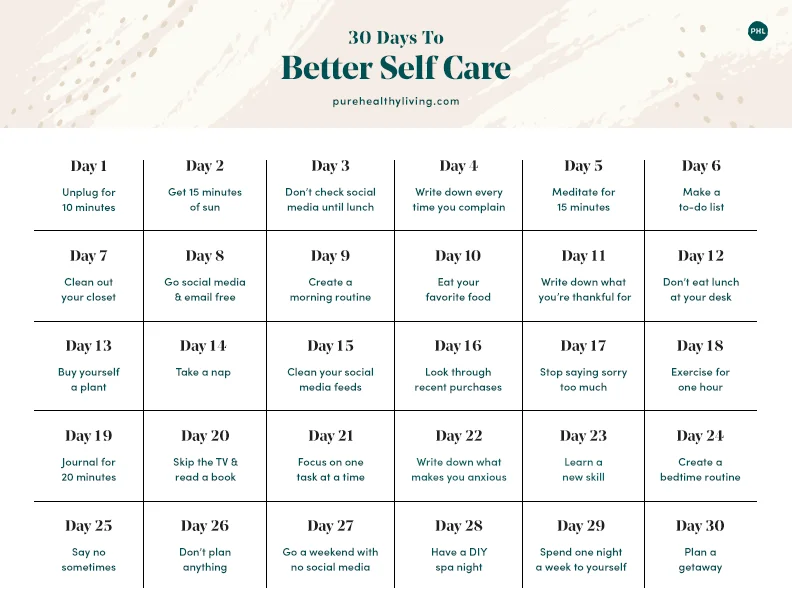
Starting your day with a morning self-care routine can significantly shape your mindset for the rest of the day. Without intentional self-care, mornings often feel rushed or stressful, which may lead to decreased focus and increased anxiety. Engaging in simple practices like meditation or affirmations helps to cultivate calmness and mental clarity. These activities prime your brain to handle challenges more effectively, boost confidence, and reduce feelings of overwhelm.
Physical Benefits and Energy Boosting Effects
A self-care routine isn’t only about mental well-being; it directly influences your physical health as well. Light movement, hydration, and nutritious choices in the morning activate your body’s energy systems, improve circulation, and kickstart metabolism. Neglecting these can result in sluggishness throughout the day and contribute to chronic fatigue. Incorporating physical activity like stretching or gentle exercise works synergistically with mental wellness practices to create a balanced and energized start.
Assessing Your Current Morning Schedule
Time Audit: Where Does Your Morning Go?
Before introducing a new morning self-care routine, it’s essential to understand how you currently use your time. Many people underestimate how fragmented or inefficient their mornings are. Conducting a time audit, perhaps over a few days, reveals patterns such as extended screen time, skipped meals, or rushing out the door without proper preparation. These unproductive habits silently erode time that could otherwise support your well-being.
Identifying Unproductive Moments to Replace with Self-Care
Once you’ve tracked your morning activities, look for gaps or distractions that can be minimized. For example, habitual scrolling through social media or checking emails first thing can consume precious minutes and elevate stress levels. Recognizing these moments allows you to consciously swap them with intentional self-care activities. This shift not only optimizes your time but also ensures that your self-care doesn’t feel like an added burden.
Core Elements of an Effective 30-Minute Self-Care Routine
Mental Wellness Practices (Meditation, Affirmations)
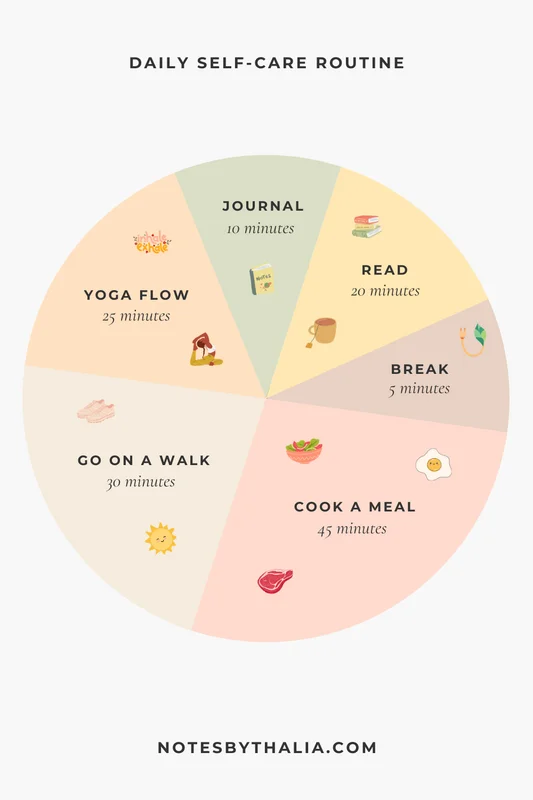
Mental wellness forms the foundation of any effective self-care routine. Brief sessions of meditation, even as short as five to ten minutes, can reduce stress hormones and promote emotional resilience. Positive affirmations help reframe negative thinking patterns and encourage a hopeful outlook. When morning chaos threatens to disrupt your day, these practices serve as anchors, fostering stability and focus.
Physical Activities (Stretching, Light Exercise)
Incorporating gentle physical activity right after waking up prepares the body for the day ahead. Simple stretching helps release muscle tension accumulated overnight and increases blood flow to critical areas like the brain and heart. Light exercises such as walking or yoga can elevate mood-boosting endorphins without exhausting your energy reserves. These movements support overall health and complement mental self-care by reinforcing mind-body harmony.
Nutrition and Hydration Habits
Nourishment plays a crucial role in a well-rounded morning routine. Skipping breakfast or consuming sugary, processed foods often leads to mid-morning energy crashes. Prioritizing hydration with water or herbal teas first thing rehydrates your body after hours of sleep and jumpstarts digestion. Choosing balanced options rich in protein, fiber, and healthy fats can sustain energy levels and improve cognitive function throughout your busy morning.
Step-by-Step Plan to Build Your Customized Routine
Choosing Activities That Match Your Lifestyle
The key to a sustainable morning self-care routine is personalization. What works for one person may not resonate with another’s preferences or obligations. Start by selecting self-care activities that feel enjoyable and manageable alongside your existing commitments. For example, if mornings are hectic, opt for brief meditation sessions or simple stretches. Those with more time might include journaling or preparing a homemade breakfast.
Setting Realistic and Measurable Goals
It’s common to overestimate how much time you can devote to self-care initially. Setting achievable goals encourages consistency and prevents discouragement. Instead of aiming for a one-hour routine right away, commit to 15 or 20 minutes, gradually increasing if desired. Tracking your progress with clear markers, such as completing activities for five consecutive days, offers motivation and a sense of accomplishment.
Using Alarms and Reminders to Stay on Track
Incorporating technology like alarms or calendar reminders can help establish and maintain your new routine. These prompts act as external cues that reduce the mental effort of remembering your commitments amidst a busy schedule. Over time, habits will form naturally, and reliance on reminders will decrease. Consistent signals also help to reinforce the importance of your morning self-care and prioritize it over less beneficial activities.
Tools and Resources to Enhance Your Routine
Apps for Mindfulness and Meditation
Numerous apps offer guided meditations, breathing exercises, and affirmations conveniently accessible from your phone. These tools can provide structure, especially for beginners unsure where to start. Many include customizable session lengths, making it easy to fit mindfulness practices within your 30-minute window. Additionally, some apps include progress tracking, which can reinforce motivation and celebrate milestones.
Quick Healthy Breakfast Ideas
Preparing a nutritious breakfast doesn’t need to be time-consuming. Simple options like overnight oats, smoothies packed with fruits and protein, or whole-grain toast with avocado can fuel your body efficiently. Having easy recipes or pre-prepped ingredients ready reduces morning decision fatigue and keeps nutrition consistent. These small changes help maintain balance and support both physical energy and mental clarity into your day.
Tips to Maintain Consistency and Adapt Over Time
Tracking Progress and Adjusting Goals
Consistency is one of the toughest aspects of building new habits. Keeping a journal or using an app to note how your self-care routine affects your mood and energy helps identify what’s working and what needs modification. If certain activities feel tedious or unrealistic, don’t hesitate to adjust or replace them. Flexibility allows the routine to evolve with your lifestyle, making it sustainable long-term rather than a rigid task.
Overcoming Common Morning Routine Challenges
There will inevitably be days when life disrupts your routine–whether due to early appointments, unexpected stress, or fatigue. Planning for these scenarios by having shorter or alternative self-care options prevents your entire routine from falling apart. For example, on rushed mornings, a two-minute breathing exercise or a glass of water with lemon can still provide benefits. Recognizing that perfection isn’t the goal helps maintain a positive attitude toward self-care overall.


