
Why Home Workouts Matter for Busy Professionals
Common Challenges: Time, Space, and Motivation
Busy professionals often struggle to fit exercise into their packed schedules. Long work hours, commuting, and family obligations leave little time for visiting a gym. Additionally, living spaces like apartments or small houses may not have enough room for bulky workout equipment, which creates another barrier. Motivation can also wane when a professional feels overwhelmed and tired after a demanding day. These challenges make traditional workout routines difficult to maintain consistently.

Benefits of Effective Home Exercise Routines
Despite these obstacles, home workouts offer valuable advantages tailored to busy lifestyles. Exercising at home saves travel time and allows flexibility in scheduling. Small-space workouts often emphasize bodyweight and portable equipment, making it easier to keep the routine manageable. Moreover, establishing a regular exercise habit boosts energy, reduces stress, and improves overall productivity—benefits that resonate strongly with professionals balancing multiple responsibilities.
Essential Equipment for Limited Space
Compact and Multi-Functional Gear
Choosing the right equipment is crucial when space is limited. Compact tools like resistance bands, adjustable dumbbells, and foldable yoga mats take up minimal room while supporting diverse exercises. Multi-functional gear, such as kettlebells that can be used for strength and cardio movements, maximizes the variety achievable without needing an entire gym setup. Prioritizing portability and storage convenience ensures workouts remain accessible and sustainable.
DIY Alternatives for Workout Tools
For those on a budget or tight on space, household items can double as workout aids. A sturdy chair can substitute for tricep dips or step-ups, while water bottles or canned goods serve as light weights. Towels can assist with stretches or resistance exercises, and a backpack loaded with books can increase workout intensity. These creative substitutes help maintain consistency without investing in extra gear.
Top 5 Home Workout Routines for Small Spaces
Bodyweight Circuit Training
Bodyweight circuits are an excellent place to start because they require no equipment and can target all major muscle groups. A simple cycle including squats, push-ups, lunges, and planks performed back-to-back with minimal rest keeps the heart rate elevated and maximizes efficiency. This style of training builds strength and endurance, fitting perfectly within a small living room or office corner.
HIIT (High-Intensity Interval Training)
HIIT workouts are known for delivering maximum results in minimal time. These routines alternate between brief bursts of intense exercises like jumping jacks, burpees, or mountain climbers, followed by short recovery periods. Their high caloric burn and metabolism boost make them ideal for busy professionals eager to improve cardiovascular fitness quickly. Plus, HIIT workouts can be modified to suit varying fitness levels and space constraints.
Yoga and Stretching Flows
Incorporating yoga and stretching offers numerous benefits beyond strength and cardio. This approach improves flexibility, reduces muscle tension, and enhances mental focus—essential for managing workplace stress. Flow sequences often require only a yoga mat and a small area, making them perfect for limited spaces. Additionally, calming breathwork practices can help professionals reset during breaks or after work.
Resistance Band Sessions
Resistance bands add an effective form of resistance training while remaining lightweight and portable. Workouts using bands focus on muscle toning and joint stability, targeting areas such as shoulders, glutes, and core. Because bands can be anchored to doors or furniture, they offer varied movement patterns without occupying much space. This versatility makes them a valuable asset in any small-space fitness routine.
Quick Core and Stability Workouts
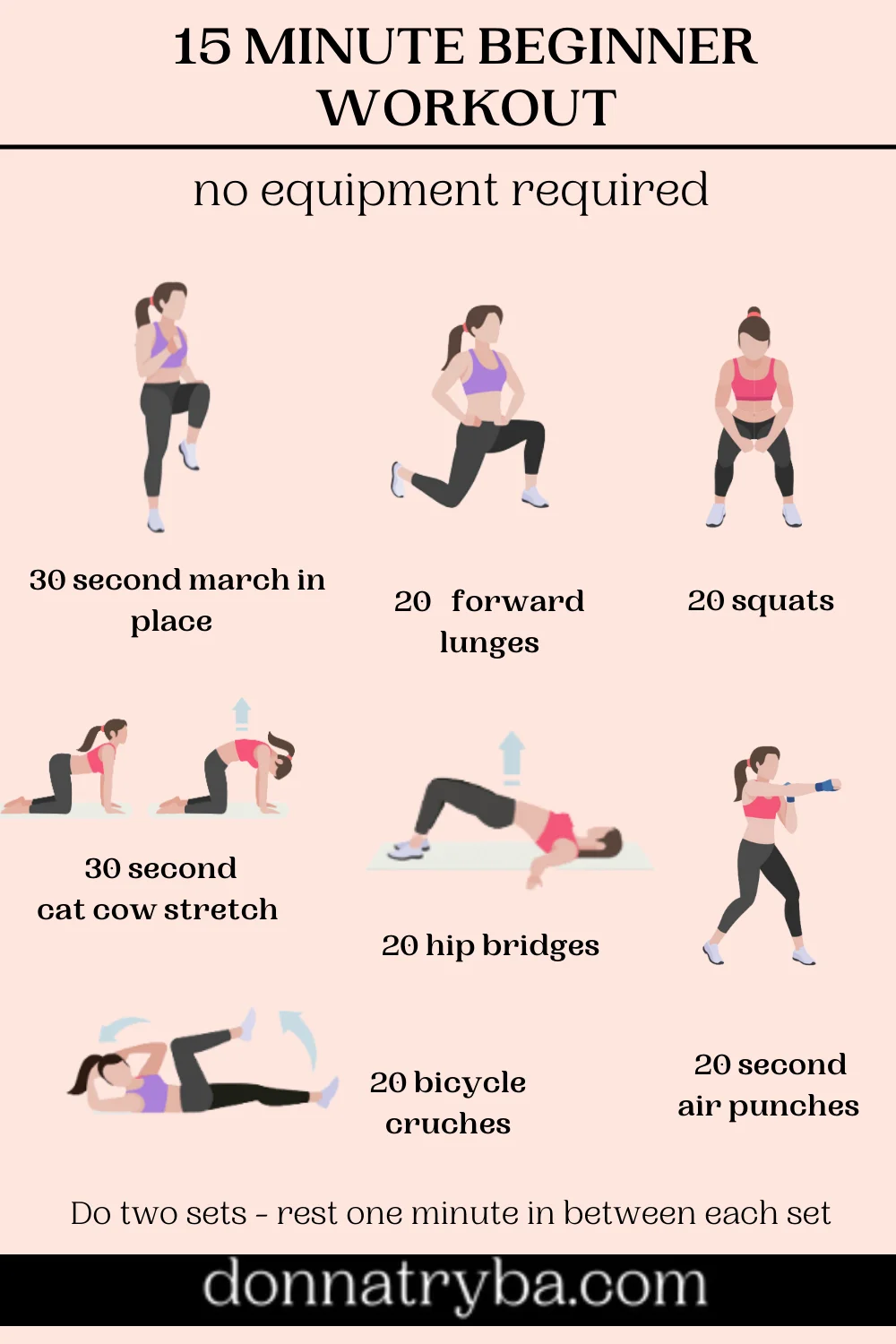
Core strength is critical for posture and injury prevention, especially for those who spend prolonged hours at a desk. Short routines focusing on planks, leg raises, and stability ball exercises enhance balance and abdominal strength. These sessions typically require very little space and time but offer noticeable improvements in overall functional fitness.
Customization Tips to Maximize Results
Adjusting Routine Intensity
Customizing workouts to match your fitness level ensures progress and prevents injury. Beginners can start with fewer repetitions and longer rest periods, gradually increasing intensity as strength and endurance build. Incorporating variations, such as elevated push-ups or added resistance with bands, keeps routines challenging and engaging. Listening to your body and adjusting accordingly is key to sustainable development.
Scheduling Workouts Around Your Busy Day
Consistency often hinges on effective scheduling. Incorporating workouts into predictable windows, such as early mornings or lunch breaks, helps form a routine. Even brief sessions, when done regularly, accumulate significant benefits over time. Prioritizing workouts as non-negotiable appointments elevates their importance and encourages adherence despite a hectic agenda.
Tracking Progress Without a Gym
Using Apps and Wearables
Technology offers excellent tools for monitoring fitness outside gym settings. Apps provide guided workouts, track repetitions, and measure heart rate during sessions. Wearables like smartwatches offer real-time feedback on activity levels and calories burned. These devices can motivate professionals by visualizing progress and helping adjust workouts to meet personal goals.
Setting Realistic Goals and Milestones
Establishing achievable short-term and long-term goals fosters motivation and accountability. Examples include completing a set number of circuits, improving plank duration, or mastering a new yoga pose. Celebrating small wins maintains momentum and frames fitness as a rewarding journey rather than a daunting task.
Maintaining Motivation and Consistency
Creating a Dedicated Workout Space
Designating a specific area in your home for exercise transforms it into a motivational environment. Even a corner with a mat, some equipment, and good lighting signals readiness to work out. Keeping this space tidy and inviting reduces friction when starting sessions, effectively supporting consistency and focus.
Finding Accountability Partners or Online Communities
Connecting with others sharing similar fitness goals provides encouragement and fosters accountability. Whether through virtual workout groups, social media challenges, or workout buddies, external support keeps motivation high. Sharing progress and challenges enhances commitment and transforms solo workouts into engaging and rewarding experiences.


