
Understanding the Importance of Time Management
Why Busy Professionals Struggle with Time
Busy professionals often juggle multiple responsibilities, making it difficult to allocate time effectively. High workload, frequent interruptions, and the pressure to meet deadlines contribute to a constant feeling of being overwhelmed. Without a clear structure, tasks can pile up and consume more time than necessary.
The Impact of Poor Time Management on Career and Life
Poor time management can lead to missed deadlines, increased stress, and burnout. It affects productivity, causing a ripple effect that diminishes career growth and personal satisfaction. When time is not managed well, it also disrupts work-life balance, leading to strained relationships and reduced overall well-being.
Assessing Your Current Time Usage
Time Tracking Techniques for Insight
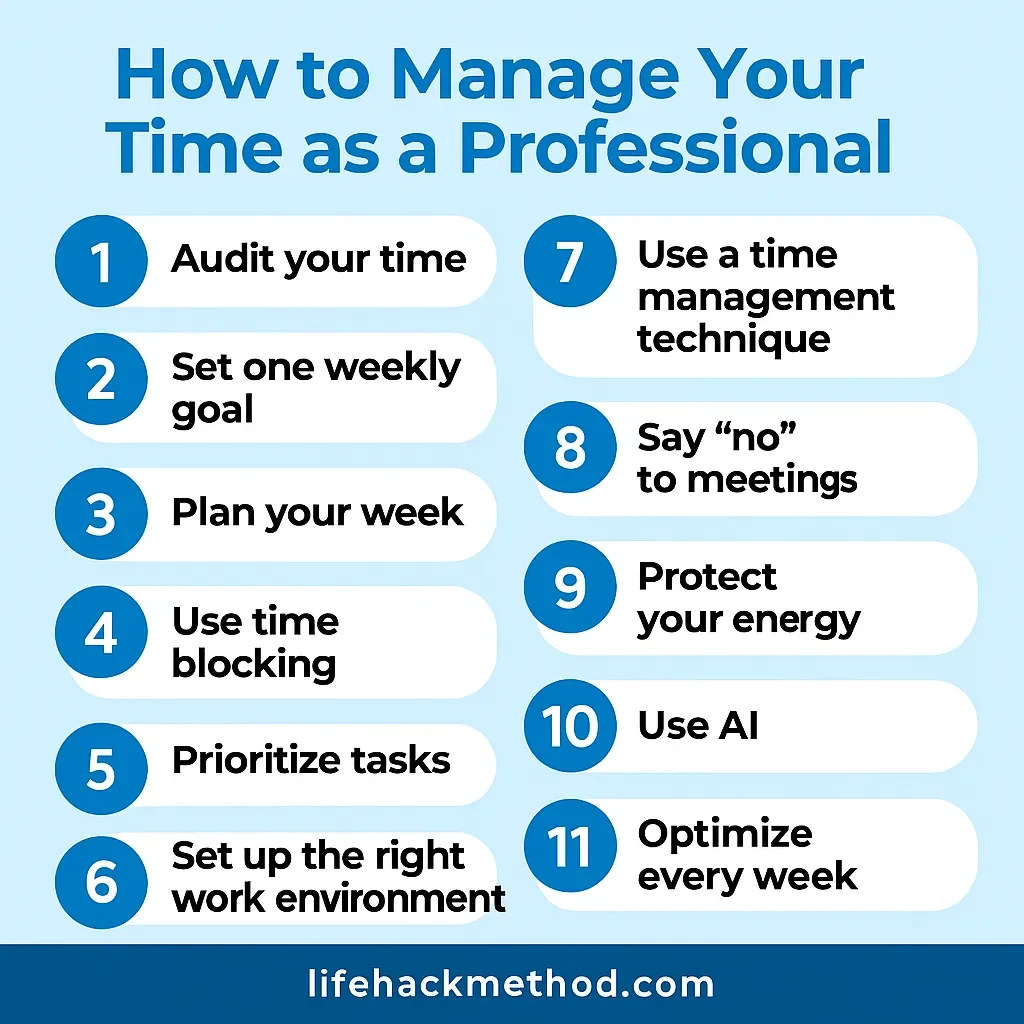
Understanding how time is spent is the first step towards improvement. Tracking your daily activities using simple tools like journals or apps can reveal patterns and reveal hidden drains on your productivity. Even a week of detailed tracking can provide valuable insights into where time slips away.
Identifying Time Wasters in a Busy Schedule
After tracking, it becomes easier to spot time wasters such as unnecessary meetings, prolonged social media use, or multitasking that reduces efficiency. These distractions often consume substantial portions of the day unnoticed but can be minimized with conscious effort.
Key Strategies to Optimize Your Workday
Prioritization Methods: Eisenhower Matrix & More
Effective prioritization is crucial for managing tasks. The Eisenhower Matrix categorizes tasks by urgency and importance, helping professionals focus on what truly matters. Other methods like the Pareto Principle suggest targeting the 20% of activities that yield 80% of results, sharpening productivity.
Batching Tasks to Maximize Efficiency
Batching similar tasks together reduces the time lost switching between activities. For example, grouping emails, calls, or administrative duties into dedicated blocks allows for sustained focus and better resource allocation throughout the day.
Delegation: When and How to Pass Tasks Effectively
Not everything requires your direct attention. Delegating appropriate tasks to capable team members frees up your schedule for higher-value work. Clear communication, setting expectations, and follow-up ensure delegation enhances productivity rather than creating additional work.
Leveraging Technology for Better Time Management
Essential Apps and Tools for Busy Professionals
Technology offers many solutions to streamline time management. Calendar apps, task managers, and collaboration platforms help organize schedules and track progress efficiently. Tools like Trello, Asana, or Google Calendar integrate seamlessly into daily routines to keep tasks on track.
Automating Routine Tasks
Automating repetitive tasks saves time and reduces errors. Automations can include email filters, meeting scheduling bots, or workflow tools that handle approvals and notifications. These reduce manual effort and allow more focus on strategic activities.
Developing Productive Habits and Routines
Morning Rituals to Set the Tone
A structured morning routine primes the day for success. Activities like planning the day’s priorities, brief exercise, or mindful practices help build momentum and foster focus. Starting with intention can significantly influence overall productivity.
Maintaining Focus with Time Blocking
Time blocking involves assigning fixed periods for specific tasks or activities. This technique guards against distractions and helps maintain flow by dedicating uninterrupted focus periods. By scheduling time blocks, professionals can better balance workload and avoid last-minute rushes.
Managing Interruptions and Staying Focused
Handling Distractions in a Busy Environment
Interruptions are inevitable but can be managed. Setting clear boundaries, using “do not disturb” modes, and creating quiet workspaces reduce external disruptions. Communicating availability to colleagues also helps in minimizing unplanned interruptions.
Techniques for Deep Work and Concentration
Deep work requires solid focus and minimal distractions. Techniques such as the Pomodoro method, where work is divided into timed intervals with breaks, promote sustained attention. Regular practice of these methods enhances the ability to enter a productive flow state.
Work-Life Balance: Managing Time Beyond Work
Scheduling Breaks and Downtime Realistically
Breaks are essential to maintain energy and prevent burnout. Scheduling regular pauses and downtime within the day ensures mental refreshment. Realistic planning should include time for meals, physical activity, and relaxation to support overall health.
Setting Boundaries to Protect Personal Time
Clear boundaries between work and personal time protect well-being. Avoiding after-hours emails and setting expectations about availability prevent work from encroaching on personal life. Protecting this balance improves long-term satisfaction and effectiveness.
Measuring Progress and Adjusting Strategies
Periodic Review of Time Management Effectiveness
Regularly reviewing how time is managed allows identification of what works and what doesn’t. Self-assessments or feedback from colleagues can highlight areas for improvement. This continuous reflection ensures strategies remain aligned with changing demands.
Flexibility: Adapting Plans to Changing Priorities
Time management requires flexibility. Priorities shift, unexpected tasks arise, and rigid plans can become obstacles. Successful professionals adjust their methods and schedules to remain responsive while maintaining control over their time and productivity.


