
Introduction to Meal Prep for Weight Management
Why Meal Prep Matters
Meal prepping has become an essential strategy for anyone focused on weight management. Instead of scrambling to decide what to eat every day, meal prep allows you to plan ahead, making it easier to stick to healthy choices. When you prepare meals in advance, it reduces the temptation to grab unhealthy fast food or snacks, which often derail weight goals. By taking control of your meals, you set yourself up for consistent progress.

Benefits of Nutritious Containers
Using nutritious meal prep containers ensures your portions are balanced and tailored to your dietary needs. Containers help with portion control, which is crucial for managing calorie intake without the need for constant measuring or guesswork. They also encourage variety, as you can prepare and store different components—proteins, vegetables, and carbs—separately or combined. This organization not only promotes healthier eating but also saves time during busy weekdays.
Understanding Nutritional Requirements for Weight Management
Macronutrient Breakdown
To successfully manage weight, understanding macronutrients—proteins, fats, and carbohydrates—is vital. Protein supports muscle maintenance and keeps you feeling full longer, while healthy fats play a role in hormone regulation and satiety. Carbohydrates are the body’s primary energy source but choosing the right types and amounts can influence weight loss or gain. Balancing these macronutrients according to your personal goals helps optimize meal prep for sustained results.
Calorie Control Strategies
Weight management ultimately comes down to calories consumed versus calories burned. Effective meal prep hinges on calorie control that doesn’t leave you feeling deprived. This means selecting nutrient-dense foods with fewer empty calories from processed snacks and sugary drinks. Learning to read nutrition labels and estimating portion sizes are practical steps that make calorie counting more manageable, ensuring you stay within your target daily intake.
Essential Tools and Containers for Meal Prep
Choosing the Right Containers
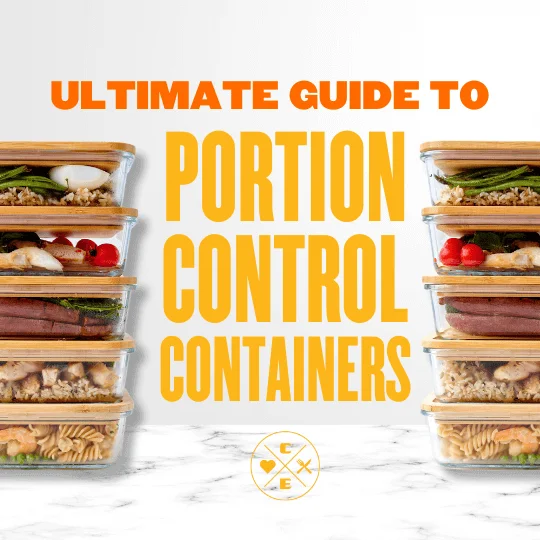
Investing in quality containers lays the foundation for successful meal prep. Look for BPA-free, microwave-safe, and leak-proof containers in various sizes. Transparent containers help you quickly identify contents and portion sizes. Using containers with compartments can also keep different food components fresh and prevent sogginess, particularly useful for meals that mix hot and cold elements.
Additional Kitchen Gadgets to Simplify Prep
Beyond containers, certain kitchen tools can make your meal prep smoother and more efficient. A good set of knives ensures clean cuts, while a food scale provides accurate portions. Additionally, slow cookers or instant pots allow batch cooking with minimal hands-on time. Items like vegetable spiralizers can bring variety to your meals, transforming simple ingredients into exciting dishes without extra calories.
Step-by-Step Process to Prepare Nutritious Meals
Planning Your Weekly Menu
Start meal prep by sketching out a weekly menu. Consider your nutritional goals, preferences, and schedule. Planning ahead helps you avoid last-minute decisions that often lead to unhealthy choices. Aim for a mix of proteins, veggies, and whole grains across meals to keep things balanced and interesting.
Grocery Shopping Tips for Healthy Ingredients
When shopping, stick to the perimeter of the store where fresh produce, meats, and dairy are typically found. Avoid aisles filled with processed foods and snacks that offer little nutritional value. Creating a detailed grocery list based on your menu reduces impulse buys and waste. Fresh, seasonal ingredients not only taste better but often cost less and provide more nutrients.
Batch Cooking Techniques
Batch cooking involves preparing large quantities of a few staple meals or ingredients at once. This approach saves time and ensures you have healthy options ready to go. Consider roasting a tray of mixed vegetables, cooking a pot of grains, and grilling proteins all in one session. Portion them out immediately into your containers to maintain freshness and simplify your weekly routine.
Portioning Your Meals Properly
Proper portioning is crucial for weight management. Use your containers to divide meals according to your calorie and macronutrient goals. Including a protein source, a serving of vegetables, and a healthy carbohydrate in each container helps maintain balance. Avoid overfilling containers to prevent overeating, and consider using measuring cups or a food scale to fine-tune portions in the beginning.
Creative Recipes for Balanced Meal Prep Containers
Protein-Packed Options
Incorporate protein-rich meals like grilled chicken breast paired with quinoa and steamed broccoli, or a chickpea and lentil curry with brown rice. These recipes provide sustained energy and support muscle recovery, which is essential when managing weight through exercise. Protein keeps hunger at bay, making it easier to resist unhealthy snacking.
Vegetable-Centric Meals
Focusing on vegetables doesn’t mean sacrificing flavor. Roasted mixed vegetables tossed with olive oil, garlic, and herbs make a satisfying side or main dish. Try stuffed bell peppers filled with a blend of vegetables, beans, and a sprinkle of cheese for a hearty, low-calorie meal. Vegetables add fiber and nutrients that promote digestion and fullness.
Healthy Carbohydrate Choices
Not all carbs are created equal—opt for complex carbohydrates like sweet potatoes, whole grains, and legumes. These options digest slowly, helping avoid blood sugar spikes. Brown rice bowls with veggies and lean protein or whole wheat pasta with a tomato-based sauce and vegetables offer balanced, energizing meals that support your weight goals without unnecessary calories.
Storing and Reheating Meal Prep Containers Safely
Storage Tips to Preserve Freshness
Proper storage extends the life of your prepared meals. Refrigerate meals that will be eaten within four days and freeze the rest to avoid spoilage. Label containers with dates to keep track of freshness. Keep dressings and sauces separate until ready to eat to prevent sogginess. Using airtight containers also helps maintain flavor and nutritional quality.
Best Practices for Reheating Without Nutrient Loss
When reheating, avoid excessive heat and prolonged cooking times that can degrade nutrients. Use microwave-safe lids to trap steam and evenly warm the meal. Stir food halfway through reheating for consistent temperature. Whenever possible, reheat just the portion you plan to eat immediately rather than repeatedly heating and cooling the entire batch.
Monitoring Progress and Adjusting Meal Prep
Tracking Nutritional Intake
Keep an eye on how your meal prep supports your weight management goals by tracking what you eat through apps or food journals. This practice helps identify patterns, such as times you may feel hungry sooner or meals that leave you satisfied longer. Adjusting portion sizes or macronutrient balance based on this feedback keeps you on a successful path without guesswork.
Modifying Recipes Based on Results
Your body’s needs might change over time, so it’s important to tweak your meal prep recipes accordingly. If you notice plateaus or unexpected weight changes, consider shifting your calorie intake or swapping ingredients. Experiment with flavor variations to keep meals enjoyable, ensuring you remain motivated and committed to your nutritional plan.


