
Why Affordable After-School Activities Are Essential for Working Parents
Balancing Work and Family Life
For many working parents, the late afternoon hours can feel overwhelming. After a full day at the office, rushing to pick up children from school and managing evening routines often leads to stress and exhaustion. Affordable after-school activities provide a structured environment where children can stay engaged and supervised, allowing parents to fulfill their professional commitments without constant worry. Consider Maria, a single mom juggling two jobs. Enrolling her son in a community basketball league freed her up to work a second shift confidently, knowing he was safe and active.

The Impact of Quality After-School Programs on Children
Beyond convenience, quality after-school programs contribute significantly to a child’s development. These activities often promote essential skills such as teamwork, problem-solving, and creativity. For instance, kids participating in library workshops or art classes have opportunities to deepen their knowledge and interests, which can enhance self-esteem and academic motivation. When James started attending a local coding club after school, his curiosity in technology flourished, leading to better performance in his computer science classes at school.
Top Affordable After-School Activities to Consider
Community Center Programs
Community centers are a treasure trove of affordable activities tailored to children of different age groups. They often host sports practices, dance lessons, and tutoring sessions. These programs usually offer sliding scale fees based on family income, making them accessible to a wide range of households. For many kids like Emma, a 10-year-old who started attending her local center’s drama club, these programs provide a safe and fun space to discover new passions and socialize.
Library-Based Educational Workshops
Libraries today have evolved far beyond bookshelves; they offer various engaging workshops designed to supplement school learning. Many libraries organize free or low-cost classes in subjects like science experiments, creative writing, and robotics. These workshops not only reinforce academic skills but also encourage curiosity. When Kevin’s parents enrolled him in their library’s weekly science lab, he developed a newfound love for experiments that enhanced his classroom participation.
Sports and Recreation Leagues
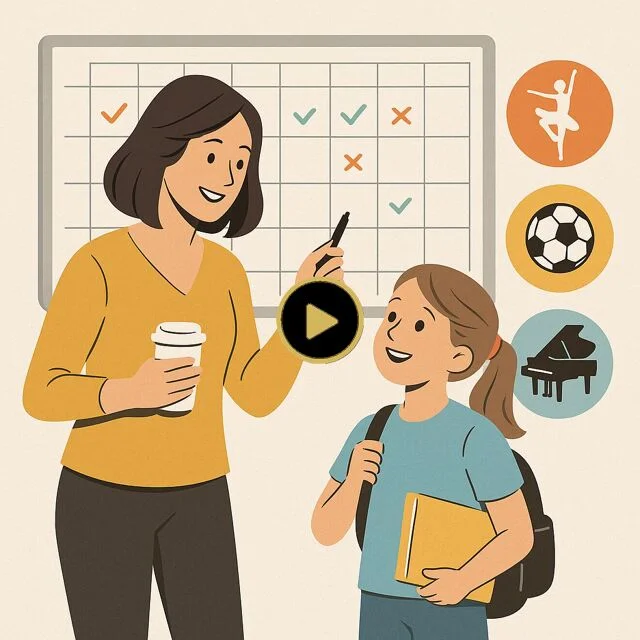
Sports leagues offer children the chance to stay physically active while learning important values such as discipline and teamwork. Many community sports leagues have affordable fees and provide equipment loan programs to ease financial burdens. Take the example of Laila, whose participation in a local soccer league helped her gain confidence and make new friends, easing her transition to a new school and city after her family relocated.
Creative Arts and Craft Classes
For children who thrive in creative expression, art and craft classes provide an outlet for imagination and skill-building. These classes often require minimal material costs and are offered through community organizations, sometimes including scholarships or monthly memberships that keep expenses low. When Alex joined a community pottery class, not only did he learn a new hobby, but he also found a calming activity that helped manage stress from schoolwork.
How to Choose the Right Program for Your Child
Assessing Your Child’s Interests and Needs
Choosing an after-school activity isn’t a one-size-fits-all process. It’s vital to consider your child’s individual interests, strengths, and temperament. For example, a child who enjoys socializing might thrive in team sports, while a more introverted child could benefit from quiet reading clubs or art classes. Parents like Sasha, whose daughter shows a keen interest in music, have found joy enrolling her in free community choir sessions that nurture her talent.
Checking Location and Transportation Options
Convenience plays a crucial role in the success of after-school participation. Programs located near home or school that offer reliable transportation can reduce the logistical stress on parents. Some schools partner with local organizations to provide shuttle services, making it easier for parents who work long hours. James’ parents appreciated enrolling him in a program within walking distance, eliminating the need for complicated pick-up arrangements after work.
Understanding Costs and Available Financial Aid
Even affordable programs can add up, so it’s essential to inquire about all fees, including registration, materials, and optional extras. Many programs offer scholarships, sliding scale fees, or payment plans. Being proactive about asking these questions can uncover resources previously unknown to parents. When Priya’s family struggled to afford the art camp fees, the program director helped them apply for a subsidy, making participation possible without financial strain.
Tips for Maximizing the Benefits of After-School Activities
Incorporating Homework and Study Time
An ideal after-school program complements a child’s education rather than replacing study time. Parents can work with activity coordinators to set aside dedicated homework periods within or after sessions. This balance was a game-changer for Michael, whose after-school soccer practice included a brief, supervised study session helping him keep up with assignments.
Encouraging Social Interaction and Teamwork
After-school activities are rich opportunities for children to develop social skills. Parents can help by encouraging participation in group projects or team sports and discussing their child’s experiences regularly. Sophia’s parents made it a habit to ask about new friends and team dynamics, which fostered her confidence both on and off the basketball court.
Communicating Regularly with Program Coordinators
Strong communication between parents and program leaders ensures that any concerns or needs are promptly addressed. This relationship also helps tailor programs to individual children’s progress. When Ethan’s parents noticed he felt overwhelmed, they worked with the art class instructor to adjust his workload, dramatically improving his experience.
Real-Life Success Stories: How After-School Programs Help Working Families
Case Study 1: Improved Academic Performance
Maria’s son struggled with reading comprehension until he joined a community center’s literacy club. The structured help combined with engaging activities boosted his confidence and reading scores within months. This improvement allowed Maria to focus more on work, relieved by the positive changes in her child’s academic life.
Case Study 2: Enhanced Social Skills
For Rashid, a shy 8-year-old, joining a local soccer league was transformative. Coaches and teammates provided a supportive environment that encouraged him to communicate and collaborate. Over time, Rashid’s social anxiety decreased, and his parents noticed a happier, more outgoing child both at school and home.
Additional Resources for Affordable After-School Options
Websites and Apps to Find Local Programs
Modern technology makes scouting for affordable after-school programs easier. Websites like Care.com, ActivityHero, and local government portals compile listings tailored to different age groups and interests. Parents can filter options by price, location, and program type, streamlining the search process.
Government and Nonprofit Support Services
Many communities have government-funded programs and nonprofits dedicated to supporting families with limited resources. For example, the YMCA often offers financial assistance, and local Boys & Girls Clubs provide quality programs at reduced costs. Reaching out to social service agencies can connect parents with valuable subsidies and scholarship programs, ensuring no child misses out on enriching after-school opportunities.


