
Introduction to Creative Art Projects for Kids
Why Art Matters in Early Education
Many elementary school children struggle to find engaging activities that stimulate both their creativity and cognitive development. This is often because traditional classroom settings prioritize structured subjects, leaving little room for self-expression. Art matters in early education because it nurtures imagination, enhances fine motor skills, and fosters emotional growth. It encourages children to think outside the box and express their feelings in constructive ways, which is crucial for their overall development.
Benefits of Affordable Art Activities
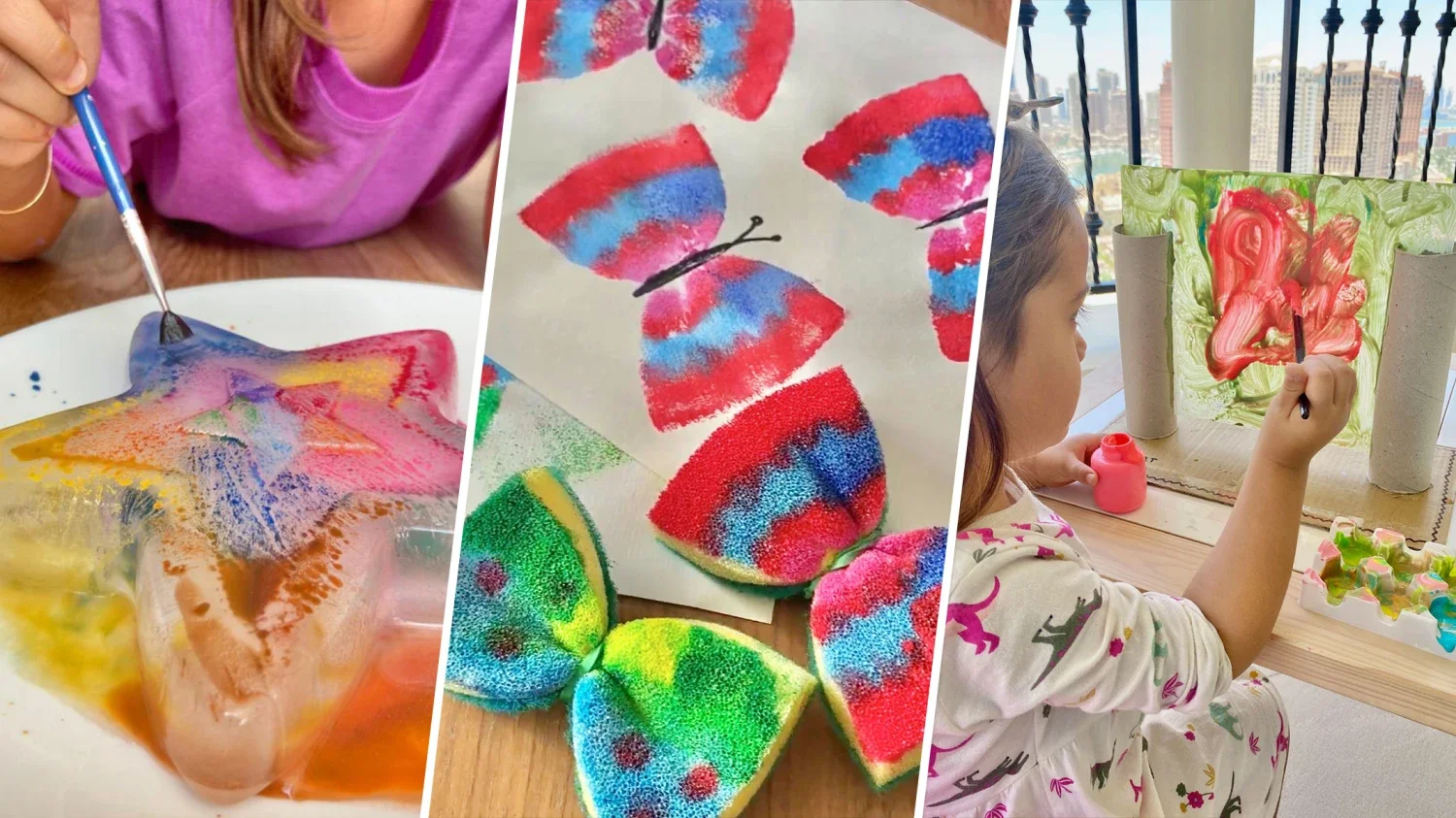
The challenge of incorporating art into education often stems from concerns over cost and resource availability. However, affordable art activities can be just as effective as expensive ones. They allow more children access to creative learning without financial strain on families or schools. Using inexpensive or recycled materials also teaches kids the value of resourcefulness and sustainability. Affordable projects help maintain a consistent creative routine, which is key to improving skills over time.
Top Fun and Budget-Friendly Art Projects
DIY Collage with Recycled Materials
Parents and teachers often find it hard to source new art supplies regularly, which limits children’s opportunities to explore. Using recycled materials like old magazines, bottle caps, and scraps of fabric provides an accessible solution. Collages made from these items challenge kids to think creatively about texture and composition. This project improves problem-solving skills and encourages environmental awareness by reusing materials.
Watercolor Resist Paintings Using Crayons
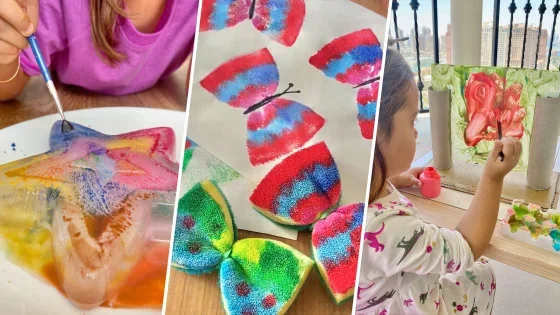
A common obstacle in painting projects is the mess and cleanup involved, which can discourage participation. Watercolor resist paintings are simple and fun, requiring just crayons and watercolor paper. Kids draw with crayons first, then paint over with watercolors, seeing their drawings magically “resist” the paint. This technique sparks curiosity about how different materials interact and can boost confidence in experimenting with colors.
Paper Plate Masks and Puppets
Many families worry about whether crafts will engage children’s attention for more than a few minutes. Paper plate masks and puppets are easy to create and invite imaginative play afterward. By decorating paper plates with markers, yarn, and other basic supplies, kids develop hand-eye coordination and storytelling skills. These masks can be personalized, promoting unique artistic expression without complex instructions.
Nature-Inspired Leaf Prints
Access to natural materials is sometimes underestimated as a resource for creativity. Leaf printing involves collecting leaves and using paint to make impressions on paper. This activity connects children with nature while teaching patterns and shapes. It also encourages outdoor exploration, which can balance screen time and sedentary behaviors common in young children today.
Materials You Need Without Breaking the Bank
Common Household Items for Art Projects
One reason creative art projects can seem intimidating is the assumed need for specialized supplies. In reality, many household items serve as excellent art materials. Old newspapers, cardboard boxes, yogurt containers, and even kitchen utensils can be repurposed effectively. These items not only reduce costs but also inspire ingenuity. For example, using a fork to create textured paint patterns can lead to unexpected, delightful results.
Where to Find Cheap Art Supplies
For those needing traditional art supplies, high prices can be a barrier. However, local dollar stores, thrift shops, and online marketplaces often stock affordable options. Schools and community centers might also host supply swaps or giveaways that provide free materials. Planning projects around what’s readily available ensures creativity remains accessible, preventing frustration from lack of resources.
Step-by-Step Guide to Organizing Art Sessions
Setting Up a Creative Space at Home or School
Disorganization is a common pitfall when attempting to hold art sessions, leading to distractions and wasted time. Creating a designated, clutter-free space encourages focus and enjoyment. It should include easy access to materials and a surface suitable for various projects. Keeping this space consistently ready invites children to engage spontaneously, fostering a habit of creativity without stress.
Engaging Children’s Imagination and Focus
Even with space and materials, children can lose interest quickly if not properly engaged. Introducing open-ended prompts rather than strict instructions allows kids to explore ideas freely. Asking questions like “What story does this picture tell?” or “How can we use this shape differently?” promotes deeper thinking. Short sessions paired with varied activities help maintain attention and encourage experimentation.
Encouraging Ongoing Creativity Beyond Projects
Incorporating Art into Daily Routines
One challenge for parents and educators is sustaining children’s creative momentum once structured projects end. Incorporating art into daily routines—such as drawing while waiting, doodling during meals, or crafting simple decorations for the home—makes creativity a natural habit. These small, frequent engagements prevent creative stagnation and strengthen skills steadily over time.
Promoting Collaborative Art Activities
Children often face isolation during art time, reducing motivation and social development. Collaborative art projects encourage teamwork and communication, making creativity a shared joyful experience. Group murals, joint sculptures, or passing along a drawing for others to add to fosters a sense of community. This collaboration also broadens perspectives as kids inspire each other’s artistic choices.
Conclusion: The Lasting Impact of Art on Kids
Neglecting creative development in early education limits children’s potential for innovation and emotional expression. Fortunately, fun and affordable art projects provide accessible avenues to nurture these skills. By thoughtfully selecting materials, organizing engaging sessions, and encouraging daily artistic habits, parents and educators can overcome common challenges. The lasting impact is profound: children grow into confident, imaginative individuals equipped with problem-solving abilities and a richer emotional life.


