
Understanding the Importance of Back Flexibility
Health Benefits of a Flexible Back
Imagine waking up in the morning and easily bending to put on your shoes without any tightness or discomfort. This simple scenario highlights one of the major benefits of back flexibility. A flexible back supports better posture, reduces the risk of injury during daily activities, and helps distribute physical stress evenly across the spine. For beginners, enhancing back flexibility can mean less chronic tightness, fewer headaches caused by muscle tension, and a smoother range of motion for bending, twisting, and lifting.
Common Causes of Back Stiffness
Back stiffness often sneaks up on people who lead sedentary lifestyles or who perform repetitive movements at work. Take Sarah, a graphic designer, whose long hours sitting at her desk led to persistent lower back tightness. Stress and poor posture exacerbate this stiffness, making simple activities like gardening or playing with children arduous. In some cases, muscle imbalances or inadequate warm-ups before exercise also contribute. Recognizing these factors is the first step toward improving flexibility safely and effectively.
Essential Warm-Up Techniques Before Stretching
Simple Cardio to Prepare the Body
Before diving into stretches, it’s crucial to prepare your muscles and joints with mild cardio. John, a beginner who struggled with back stiffness, found that five minutes of brisk walking or gentle cycling sparked better results from his stretching routine. This light activity increases blood flow and raises muscle temperature, creating a more pliable environment for stretching. Skipping this warm-up often leaves muscles tight and prone to strain.
Joint Mobilization Exercises for Beginners
Along with cardio, joint mobilization ensures that your spine and surrounding areas are ready to move freely. Simple exercises such as pelvic tilts and cat-cow movements engage the lower back and encourage flexibility without excessive strain. Newcomers like Emily use these motions daily to gently awaken stiffness. They not only prepare the back but also improve awareness of body movements, setting a solid foundation for more intense stretches.
Step-by-Step Beginner-Friendly Stretching Sequences
Sequence One: Morning Back Flexibility Routine
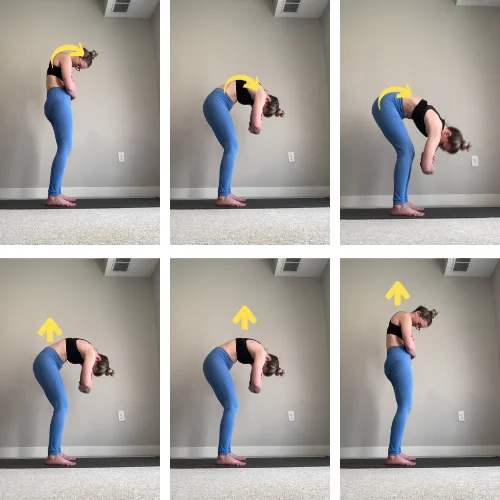
Starting your day with a stretching routine can set a positive tone, loosening up the back after a night of rest. Begin with gentle spinal twists while seated to gently wake up the spine, followed by the child’s pose to relax and lengthen the lower back. Incorporating a standing forward bend helps to engage hamstrings and lower back muscles simultaneously. These stretches combined help ease morning stiffness and provide lasting flexibility throughout the day.
Sequence Two: Evening Relaxation Stretch
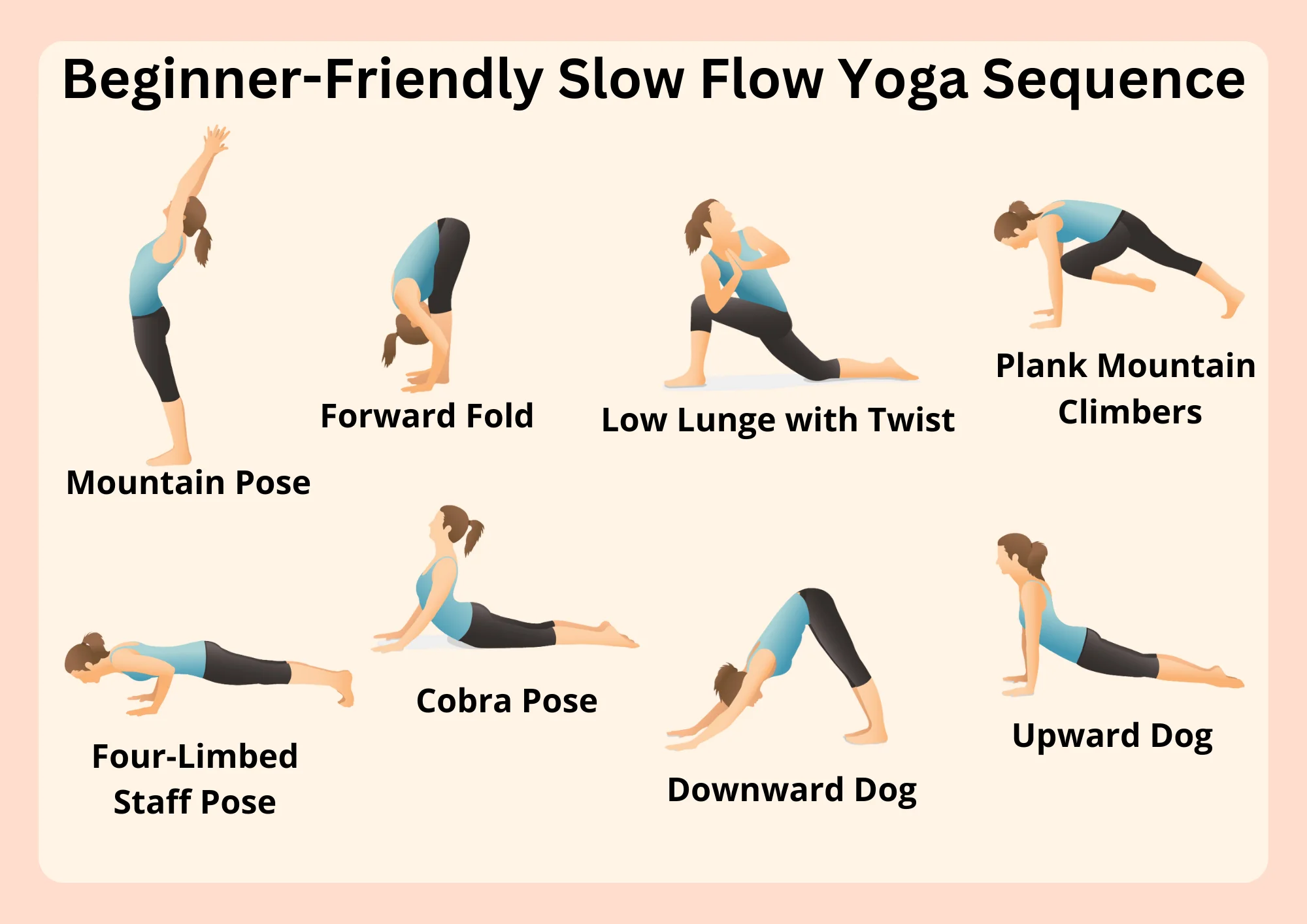
After a long day, your back needs relief from hours spent sitting or standing. Lying on your back and pulling one knee towards the chest gradually releases tension. Progress to the seated spinal twist to encourage gentle rotational flexibility. Finish with the cobra stretch to open up the chest and strengthen the lower back. These calm, restorative stretches not only improve flexibility but can also promote better sleep by soothing the nervous system.
Sequence Three: Posture Improvement Stretches
Focused stretches can significantly enhance posture, particularly for those who spend hours hunched over screens. Incorporating chest openers such as doorway stretches counters the forward slouch, while gentle backbends help restore the spine’s natural curve. Practicing scapular squeezes combined with these stretches can improve muscular balance around the upper back, creating a foundation of strength and flexibility to support upright posture during daily activities.
Tips to Maximize Stretching Effectiveness
Breathing Techniques During Stretches
Breathing plays a subtle yet powerful role in stretching. When Thomas started syncing his breath with his movements, he noticed greater ease in his stretches and less muscle tension. Deep, deliberate inhalations followed by slow exhalations help relax muscles, allowing them to lengthen further. Avoid holding your breath, which can cause unnecessary tightness and hinder progress. Mindful breathing turns stretching into a calming, focused practice rather than a rushed task.
Common Mistakes to Avoid
Beginners often fall into traps like forcing a stretch too hard or bouncing, which can cause muscle strain. Lucy, new to back stretches, initially pushed beyond her limits, resulting in discomfort that set her back for days. It’s important to ease into stretches, listen to your body’s signals, and maintain steady, controlled movements. Another frequent mistake is neglecting consistency; sporadic efforts rarely yield lasting results. Patience and regular practice build meaningful improvement over time.
Tracking Your Progress and Staying Motivated
Setting Realistic Flexibility Goals
Mark’s journey toward back flexibility began with small, achievable goals like touching his toes within a month. Setting realistic targets helps maintain motivation and gives clear markers of progress. For beginners, focusing on minor improvements such as reduced stiffness or increased comfort during daily tasks is more encouraging than aiming for dramatic flexibility milestones too soon. Celebrating these incremental wins keeps the process enjoyable.
Using Journals and Apps for Accountability
Keeping a simple journal or using fitness apps can help track stretching routines and progress over time. Jenna found that noting how she felt before and after stretches helped her recognize patterns and stay committed. Some apps provide reminders and structured plans, which are especially useful when motivation dips. Reflecting on steady advancement, no matter how small, fosters discipline and reassures beginners that their efforts are paying off.


