
Introduction to Rose Water Toner
What Is Rose Water Toner?
Rose water toner is a gentle liquid derived from the distillation of rose petals. It is commonly used in skincare to restore the skin’s natural pH balance, hydrate, and refresh. Unlike harsh astringents, rose water toner offers a soothing alternative suitable for most skin types, including sensitive skin.
Benefits for Sensitive Skin
For sensitive skin, rose water toner provides multiple benefits. It helps calm redness and irritation while providing mild antibacterial properties. The natural antioxidants found in rose petals support skin repair and reduce inflammation. Additionally, it acts as a refreshing mist to keep the skin feeling comfortable throughout the day without causing dryness.
Essential Ingredients Needed
Choosing Organic Roses
Selecting organic roses is crucial for a pure, chemical-free toner. Organic roses are free from pesticides and synthetic fertilizers, ensuring that the final product is safe and gentle. Look for fresh, fragrant petals from varieties like Damask or Rosa centifolia, known for their high aromatic oil content.
Additional Natural Soothing Agents
To enhance the toner’s calming effects, consider adding natural ingredients such as chamomile or calendula petals. These components help reduce inflammation and provide extra hydration. You can also include a small amount of aloe vera gel or witch hazel extract, but be cautious with witch hazel on very sensitive skin as it may cause irritation in some cases.
Step 1: Preparing the Rose Petals
Cleaning and Sorting
Begin by carefully choosing fresh rose petals free from blemishes or dirt. Rinse them gently under cool running water to remove dust and insects. Avoid soaking the petals as excess water can dilute the oil content. After rinsing, spread the petals on a clean towel to air dry.
Storage Tips Before Use
If you are not distilling immediately, store the cleaned petals in a sealed container in the refrigerator. This keeps them fresh and preserves their fragrance. Use the petals within 24 hours to prevent wilting and loss of essential oils, which are vital for an effective toner.
Step 2: Distilling Rose Water at Home
Required Equipment
Home distillation requires a large pot, a heat-resistant bowl, a lid to cover the pot, and ice. A stovetop-safe bowl should fit inside the pot without touching the base. Glass or stainless steel materials are preferred to avoid contamination. Additionally, have a clean storage bottle ready for your toner.
Step-by-Step Distillation Process
Start by placing the fresh rose petals in the pot and adding just enough water to cover them. Position the heat-resistant bowl in the center of the pot above the petals, ensuring it doesn’t float. Invert the pot lid and place it on top so it’s concave side downwards. Heat the pot gently; the steam will condense on the lid and drip into the bowl. Place ice on the lid to facilitate condensation. Continue for about 20-30 minutes until you collect enough rose water in the bowl.
Step 3: Mixing and Bottling Your Toner
Recommended Additives for Extra Calmness

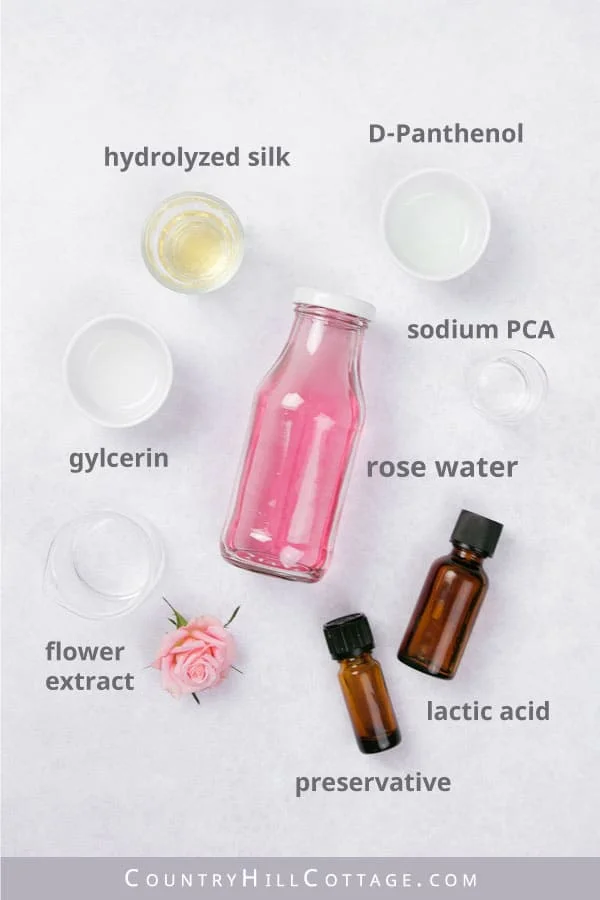
Once distilled, you can mix in a few drops of natural ingredients like glycerin for hydration or chamomile extract to enhance soothing properties. Be conservative with additives to maintain the toner’s purity and avoid overwhelming sensitive skin. Always patch test new mixtures before regular use.
Choosing the Right Container
Store the finished rose water toner in a dark glass bottle to protect it from light, which can degrade the quality over time. A spray bottle is ideal for easy and even application. Ensure the container is sterilized before use to prevent contamination.
How to Use Rose Water Toner Effectively
Daily Application Routine
Apply rose water toner twice daily after cleansing your face. Use a cotton pad or mist gently onto the skin and allow it to absorb before applying moisturizer. This routine helps maintain hydration and soothes any sensitivity throughout the day.
Best Practices for Sensitive Skin
When using rose water toner on sensitive skin, avoid harsh rubbing. Apply softly and monitor your skin’s response. If irritation occurs, reduce frequency or dilute the toner with distilled water. Always choose pure, additive-free rose water for minimal risk.
Storage and Shelf Life of Homemade Toner
Refrigeration Tips
Keep your rose water toner refrigerated to extend its shelf life. This slows bacterial growth and preserves the fresh scent. Use within one to two weeks for the best results. Label the bottle with the preparation date to track freshness.
Signs Your Toner Has Expired
Discard the toner if it changes color, develops an off smell, or shows signs of mold. These indicate bacterial contamination. Using expired toner may cause irritation or infection, particularly for sensitive skin.
Troubleshooting Common Issues
What to Do If Irritation Occurs
If you experience redness, itching, or burning after using the toner, stop immediately. Rinse the affected area with cool water. Consider diluting the toner or switching to a different rose variety with lower oil content. Consulting a dermatologist is advisable if symptoms persist.
Adjusting Ingredients for Better Results
Customize your toner by experimenting with additional calming agents or reducing their quantities. For example, less witch hazel or glycerin may help if your skin feels sticky or tight. Monitoring your skin’s reaction over time allows you to craft the ideal formula tailored to your sensitive skin needs.


