
Understanding the Importance of Layering in Cold Weather
How Layering Enhances Both Style and Warmth
When temperatures drop, staying warm becomes essential, but that doesn’t mean sacrificing style. Layering is the key technique that allows you to combine functional warmth with fashionable outfits. By strategically wearing multiple clothing pieces, you create insulating air pockets that trap heat, while maintaining flexibility to adjust as conditions change. This method empowers you to build looks with depth and texture, going beyond bulky or monotonous winter wear. Proper layering not only ensures comfort in cold weather but also offers a dynamic way to express personal style.

Common Mistakes to Avoid When Layering
Many people struggle with layering because they either add too many bulky pieces or choose the wrong fabrics, resulting in discomfort or a clumsy appearance. One frequent error is wearing cotton as a base layer, which retains moisture and causes chills. Another issue is neglecting fit: if layers are too tight, movement is restricted; if too loose, the cold air penetrates. Overloading on heavy outerwear without considering breathability can lead to overheating during indoor activities. Understanding these pitfalls helps you build layers that work together efficiently, combining warmth and style without bulk or stuffiness.
Choosing the Right Base Layers for Optimal Comfort
Material Guide: Wool, Synthetic, and Cotton
The base layer is your first defense against cold, making material choice crucial. Wool, particularly merino wool, excels because it insulates even when damp, resists odors, and feels soft against the skin. Synthetic fabrics like polyester or nylon dry quickly and wick moisture away, ideal for active days. On the other hand, cotton should generally be avoided as it absorbs sweat and dries slowly, promoting chill. Selecting the right fabric not only preserves warmth but also improves comfort, preventing irritation and discomfort beneath your outfit.
Fitting Basics: Why Fit Matters Beneath Your Outfit
A base layer that fits well enhances both warmth and mobility. Too loose a fit allows cold air to circulate, reducing insulation, while overly tight layers can restrict blood flow and cause discomfort. The goal is a snug fit that acts like a second skin, efficiently trapping heat without feeling constricting. Proper fitting also streamlines the overall silhouette, helping outer layers drape smoothly and maintain a polished appearance. Prioritizing fit at this foundational stage sets the tone for a functional and stylish cold-weather outfit.
Mid Layers: Balancing Insulation and Mobility
Types of Mid Layers for Different Activities
Mid layers provide the critical insulation between your base and outer layers, so choosing the right type depends on your typical activities. For sedentary or casual wear, fleece or wool sweaters offer cozy warmth. For more active pursuits, lightweight down or synthetic insulated jackets offer better heat retention without bulk, enabling freedom of movement. Layering with adaptable mid layers ensures you stay comfortable whether you’re commuting, hiking, or running errands, while maintaining a versatile look that can transition across settings.
Combining Colors and Textures Creatively
Layering creates an opportunity to experiment with color coordination and texture contrast, enhancing your outfit’s visual appeal. Pairing smooth synthetic fabrics with plush fleece or textured wool introduces depth and interest. Utilizing complementary or analogous color schemes can carefully elevate your style without overwhelming your look. Thoughtful blending of textures and hues ensures your cold-weather outfit remains engaging and fashion-forward, proving that keeping warm doesn’t require dull or repetitive choices.
Outer Layers That Protect Against Harsh Weather
Waterproof vs. Windproof: What You Need
Understanding the difference between waterproof and windproof outer layers is fundamental to staying comfortable outdoors. Waterproof jackets shield you from rain and snow but may lack breathability, causing sweat buildup. Windproof pieces block chilling gusts, especially vital when temperatures are cold but precipitation is minimal. The ideal outerwear often balances these features, protecting you from the elements while allowing moisture to escape. Selecting the appropriate outer layer based on weather conditions prevents discomfort and extends the longevity of your layered outfit.
Fashionable Outerwear Trends for Winter
Modern winter outerwear combines high performance with sleek aesthetics. Oversized puffers, tailored wool coats, and technical parkas with minimalist designs are trending choices that merge fashion with functionality. Many brands now incorporate sustainable materials that offer weather resistance without bulk. Opting for versatile colors like neutrals or jewel tones allows outerwear to complement various ensembles, further enhancing layering options. Staying updated on these trends helps you build a winter wardrobe that is both practical and stylish.
Accessorizing for Added Warmth and Style
Scarves, Hats, and Gloves: Function Meets Fashion
Accessories are essential for completing cold-weather outfits, providing targeted warmth while elevating your look. Scarves in different weights and patterns add a visual focal point and protect your neck from drafts. Hats, from cozy beanies to chic berets, help conserve body heat and can enhance your style narrative. Gloves are not only practical but can introduce color or texture contrasts, making your outfit more dynamic. Choosing accessories that blend warmth and fashion ensures your ensemble is effective and visually appealing.
Incorporating Statement Pieces Without Bulk
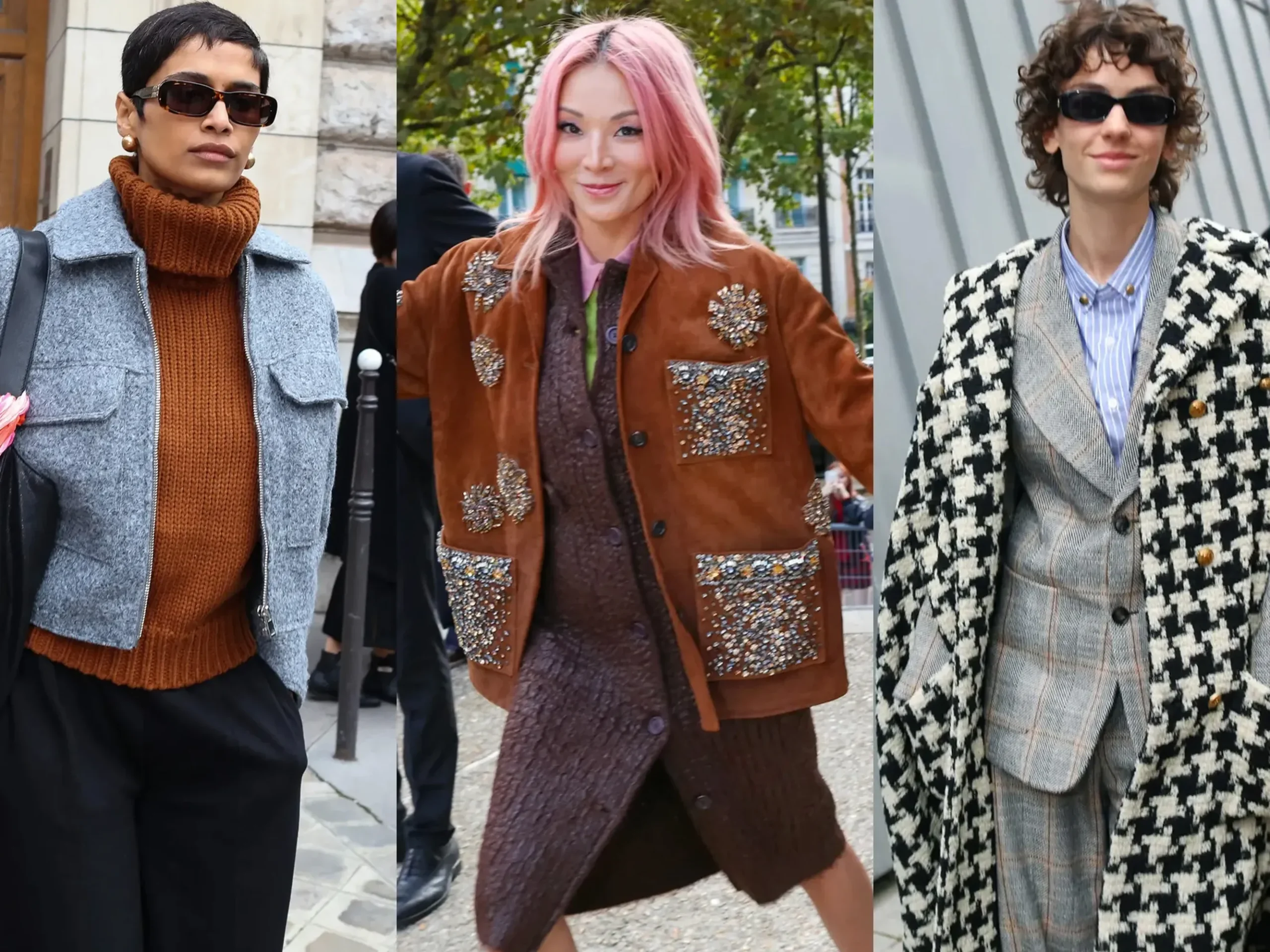
Adding bold accessories or unique elements can raise your winter outfit without adding unnecessary bulk. For example, a patterned scarf or a leather glove with intricate detailing draws attention while remaining sleek. Layering lightweight statement pieces, like a colorful knit hat or a slim belt over a jacket, injects personality and sophistication. The key is balancing standout items with functional layers so that warmth stays intact without overwhelming your silhouette.
Practical Tips for Layering on the Go
Adjusting Layers for Indoor and Outdoor Settings
One challenge of layering is adapting to varying temperatures between outdoor cold and heated indoor spaces. The solution is to choose layers that are easy to add or remove. Lightweight mid layers that fit comfortably under outerwear can be shed when indoors, while a durable coat can be re-secured upon returning outside. Wearing zippered or openable pieces allows quick ventilation and temperature control. This flexibility prevents overheating and discomfort, keeping you comfortable throughout the day.
Layering for Travel: Packing Light Without Sacrificing Warmth
Travelers often confront the dilemma of packing enough layers to stay warm without carrying bulky luggage. The trick is selecting versatile, lightweight garments that serve multiple purposes. Base layers in moisture-wicking fabrics, compressible insulated jackets, and multipurpose scarves or gloves can be mixed and matched to suit different climates and activities. Rolling clothes instead of folding maximizes space, and using packing cubes keeps layers organized. Thoughtful packing ensures you maintain warmth and style without overpacking.


