
Introduction to Deskercise: Why 15 Minutes Matter
For busy professionals, carving out time for physical activity can be a challenge. Deskercise offers a practical solution by integrating short workouts into your daily routine without leaving your workspace. A 15-minute session is enough to increase energy, improve circulation, and reduce the negative effects of prolonged sitting. Incorporating deskercise helps maintain physical health and mental clarity, making your workday more productive.
Understanding the Benefits of Short Exercise Sessions at Your Desk
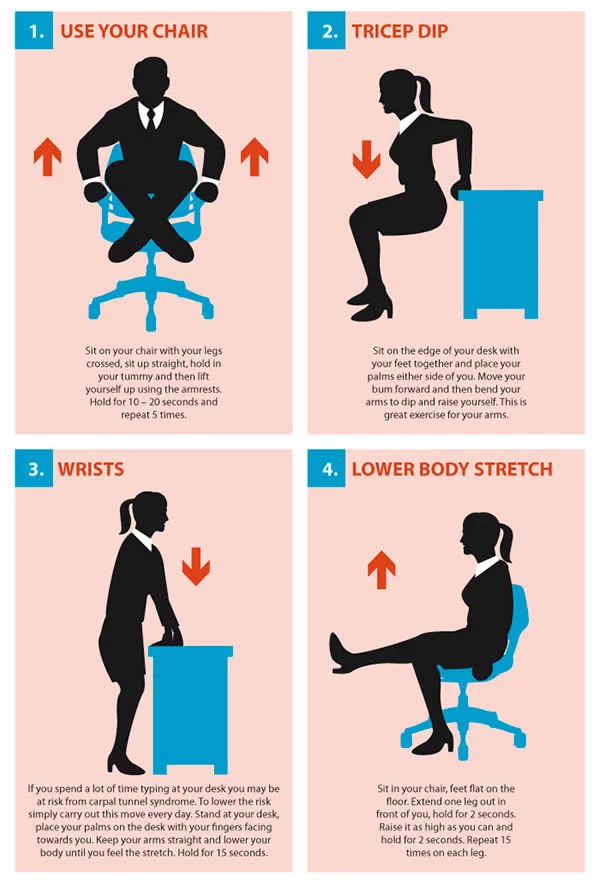
Short exercise breaks during work hours can enhance focus and reduce fatigue. These quick sessions stimulate blood flow, ease muscle tension, and prevent stiffness common from sitting too long. Moreover, regular deskercise can contribute to better posture, reduced risk of chronic pain, and improved mood. Staying active at the desk turns downtime into an opportunity for wellness without sacrificing productivity.
Preparation: Setting Up Your Workspace for Deskercise
Choosing the Right Chair and Desk
Proper furniture is key to effective deskercise. Select a chair that supports your lower back with adjustable height to keep your feet flat on the floor. Your desk should allow enough space to move your arms freely and perform stretches without restriction. An ergonomic setup provides comfort and stability, making exercises safer and more efficient.
Essential Deskercise Equipment and Accessories
Minimal equipment is needed, but a few accessories can enhance your routine. Resistance bands, a small exercise ball, or a yoga mat for floor stretches add variety and intensity. A water bottle nearby encourages hydration during breaks, while a timer or phone alarm helps maintain the 15-minute structure.
Step 1: Warm-Up Exercises to Activate Your Muscles
Neck and Shoulder Rolls
Begin with gentle neck rolls, moving your head slowly in circles to release tension. Follow with shoulder rolls, lifting them towards your ears and rolling them backward to activate muscle groups and increase blood flow. These movements prepare your upper body for more intensive exercises by loosening tight areas.
Wrist and Finger Stretches
Extend your arms and gently stretch your wrists by pulling fingers back and forth. Rotate wrists clockwise and counterclockwise to enhance flexibility. Finger stretches, such as spreading and clenching, improve circulation and reduce stiffness from keyboard use.
Step 2: Core Deskercises for Strength and Stability
Seated Leg Raises
While seated, straighten one leg and hold it parallel to the floor for a few seconds, then lower it slowly. Alternate legs to engage the lower abdominal muscles and improve leg strength. This exercise supports better posture and reduces lower back strain.
Abdominal Contractions
Draw your belly button inward toward your spine and hold the contraction for several seconds before releasing. Repeat steadily to activate core muscles without moving from your seat. Strengthening your core enhances balance and supports spinal alignment throughout the workday.
Step 3: Upper Body Movements to Improve Posture
Seated Arm Circles
Extend your arms out to the sides and make slow, controlled circles. Start with small circles and gradually increase their size. This helps loosen the shoulders and upper back muscles, critical areas affected by long hours at a desk.
Desk Push-Ups and Shoulder Blades Squeeze
Perform push-ups against your desk by placing your hands shoulder-width apart and lowering your chest toward the surface. Follow up with a shoulder blade squeeze by pulling your shoulder blades together and holding for a few seconds. These movements strengthen the upper back and promote upright posture.
Step 4: Lower Body Exercises to Boost Circulation
Chair Squats and Calf Raises
Stand up and sit back down without fully resting on the chair to engage your thighs and glutes. Complement this with calf raises by lifting your heels off the ground and lowering them slowly. These exercises stimulate blood flow in the legs and enhance muscle tone.
Seated Marching and Hip Mobility
March in place while seated by lifting knees one at a time. Follow with hip circles or gentle hip openers to improve joint mobility. These movements counteract stiffness and promote flexibility in the lower body.
Step 5: Cool Down and Stretching for Relaxation
Spinal Twists and Forward Bends
End your routine with gentle spinal twists by rotating your upper body while seated, keeping your hips squared. A forward bend while seated helps stretch the back and hamstrings. These stretches relieve tension and promote relaxation after movement.
Deep Breathing Techniques
Incorporate slow, deep breaths to calm the nervous system. Breathe in deeply through the nose, hold briefly, and exhale fully through the mouth. Deep breathing reduces stress and aids in mental reset, preparing you to return to work refreshed.
Creating Your Personalized 15-Minute Deskercise Routine
Balancing Strength, Flexibility, and Mobility
Design your routine by combining exercises that target strength, flexibility, and mobility. This balanced approach ensures all major muscle groups are engaged and reduces the risk of repetitive strain. Start with warm-ups, progress through strengthening and stretching, and finish with relaxation techniques.
Adjustments for Different Fitness Levels
Modify intensity based on your fitness level. Beginners may start with fewer repetitions and basic stretches, while more experienced individuals can increase duration and include resistance elements. Consistency and gradual progression are key to sustainable improvement.
Tips for Staying Consistent with Your Deskercise Practice
Scheduling and Setting Reminders
Integrate deskercise into your calendar like any other meeting. Use alarms or app reminders to prompt you to take breaks. Consistent scheduling helps build the habit and ensures you do not skip your routine during busy days.
Tracking Progress and Staying Motivated
Keep a simple log of exercises completed and how you feel afterward. Tracking progress fosters motivation and accountability. Celebrate small achievements to maintain enthusiasm and reinforce the value of your deskercise practice.


