
Introduction to DIY Natural Face Masks
Why Choose Pantry Staples for Skincare?
Using pantry staples for face masks is a practical and affordable way to care for your skin. These ingredients are often easily accessible, free from harsh chemicals, and provide natural nourishment that commercial products may lack. Creating masks at home allows you to tailor treatments closely to your skin’s needs without the guesswork involved in store-bought items.
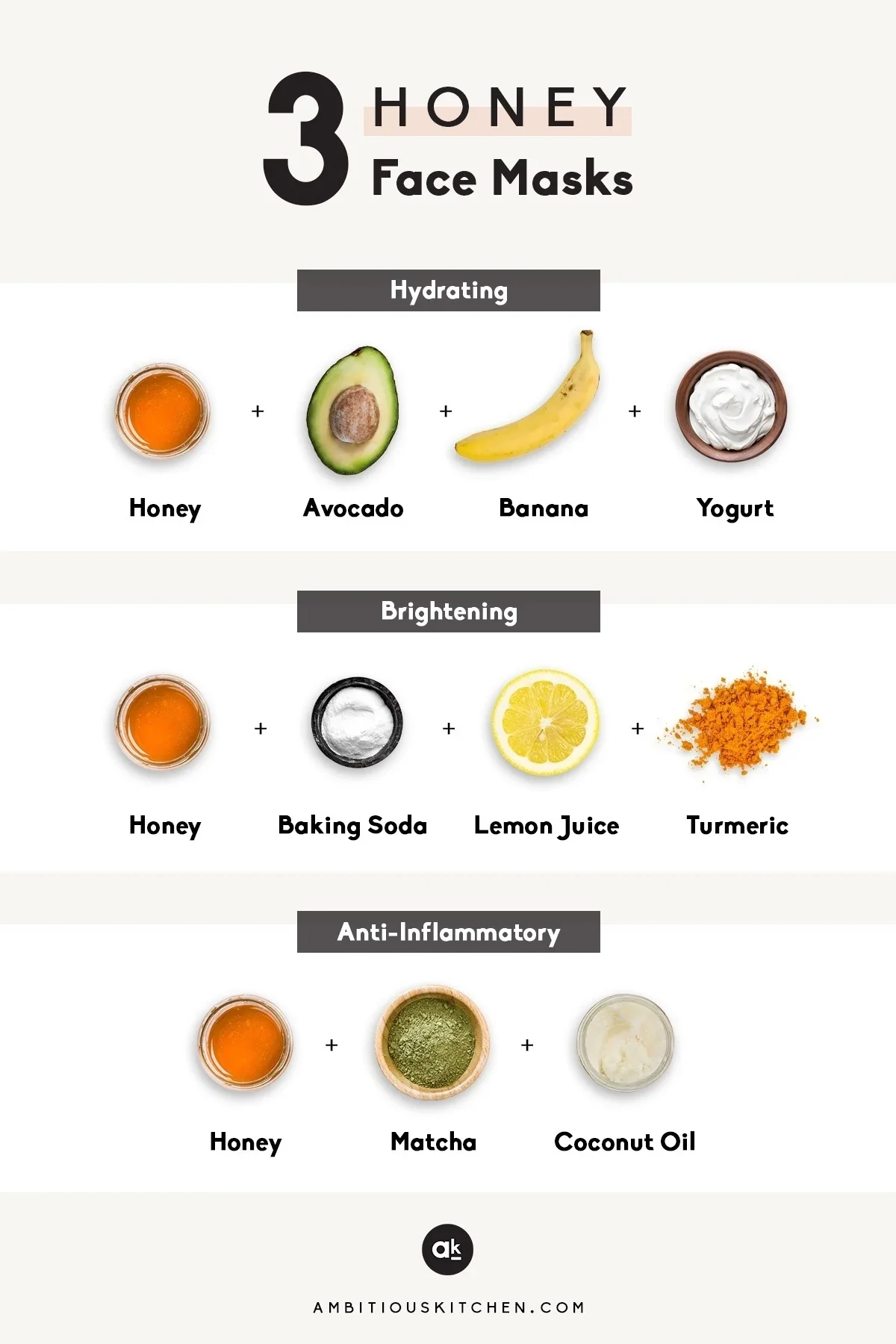
Benefits of Natural Ingredients for Glowing Skin
Natural ingredients in face masks can enhance your skin’s radiance by gently exfoliating, hydrating, and soothing irritation. Unlike synthetic compounds, they tend to work holistically, promoting balanced moisture levels and reducing inflammation. Regular use of such masks can lead to a clearer complexion and an overall healthy glow.
Essential Pantry Ingredients and Their Skin Benefits
Honey: The Natural Moisturizer
Honey is renowned for its moisturizing properties, locking in hydration and forming a protective barrier on your skin. Its antibacterial qualities help prevent breakouts, making it suitable for most skin types. Raw honey, in particular, preserves enzymes that aid in skin healing and regeneration.
Oatmeal: Gentle Exfoliation
Oatmeal is a mild exfoliant that removes dead skin cells without irritation. It contains anti-inflammatory compounds that calm redness and soothe sensitive skin. When mixed with water or yogurt, oatmeal creates a creamy texture that enhances the mask’s comfort and effectiveness.
Yogurt: Brightening and Soothing
Yogurt contains lactic acid, a natural alpha hydroxy acid, which gently exfoliates the skin and promotes a brighter appearance. Its probiotics help balance the skin’s microbiome, reducing inflammation and redness. The cooling effect of yogurt also helps soothe sunburned or irritated skin.
Turmeric: Anti-Inflammatory Properties
Turmeric is famous for its ability to diminish inflammation and brighten skin tone. It can reduce redness and calm acne flare-ups thanks to its curcumin content. Use turmeric sparingly, as it can stain the skin temporarily but delivers noticeable improvements in skin clarity over time.
Step-by-Step Guide to Crafting Your Face Mask
Preparation and Hygiene Tips
Start by washing your hands and cleaning your face thoroughly to remove dirt and oil. Use clean bowls and utensils to avoid contamination. It’s best to prepare only the amount you need for one application to maintain the freshness and effectiveness of the ingredients.
Combining Ingredients for Different Skin Types
For dry skin, combine moisturizing honey with creamy yogurt and a small amount of oatmeal. Oily or acne-prone skin benefits from a mix of honey and turmeric, which helps reduce excess oil and inflammation. Sensitive skin types should opt for gentle oatmeal and yogurt blends without irritants like turmeric.
Application Techniques for Maximum Effectiveness
Apply the mask evenly using clean fingers or a brush, avoiding the delicate eye area. Let it sit for 10 to 15 minutes, allowing ingredients to penetrate the skin. Relax during this time, then rinse with lukewarm water using gentle circular motions to encourage circulation.
Post-Mask Care Routine
Rinsing Off Safely
Remove the mask thoroughly but gently to avoid stripping moisture. Lukewarm water helps soften residues without shocking the skin. Avoid using harsh soaps or scrubs immediately after treatment to preserve the mask’s benefits.
Hydrating and Protecting Your Skin
After rinsing, pat your face dry and apply a light moisturizer to lock in hydration. If heading outdoors, use sunscreen to protect your freshly treated skin from UV damage. Staying hydrated and maintaining a balanced routine enhances the mask’s long-term effects.
Creative Variations to Try at Home
Mask Recipes for Dry Skin

Mix two tablespoons of honey with one tablespoon of yogurt and a teaspoon of oatmeal. This combination soothes and replenishes dry areas, leaving skin supple and refreshed.
Recipes for Oily and Acne-Prone Skin
Combine one tablespoon of honey, a pinch of turmeric, and one teaspoon of oatmeal. The honey controls oil, while turmeric reduces inflammation and oatmeal gently cleanses pores.
Customizing Masks with Seasonal Pantry Finds
Incorporate seasonal items like mashed pumpkin or mashed banana for added vitamins. These fruits bring antioxidants and extra moisture, adapting your mask to current skin needs and climate conditions.
Common Mistakes and How to Avoid Them
Allergy Precautions and Patch Testing
Before applying any mask, test a small patch on your inner wrist or behind your ear. This helps identify allergic reactions early. Avoid using ingredients that cause redness or itching to prevent irritation.
Overuse and its Impact on Skin Health
Applying natural masks too frequently can disrupt your skin’s natural barrier, leading to dryness or sensitivity. Limit use to once or twice a week for balanced care and optimal results.
Conclusion: Embrace Natural Beauty with DIY Masks
Creating natural face masks from pantry staples is an accessible way to nurture your skin safely and effectively. By understanding your skin type and choosing the right ingredients, you can enjoy healthier, glowing skin without unnecessary additives. Embrace this simple ritual to enhance your natural beauty with confidence.


