
Why Meal Prep is Essential for Busy Professionals
Benefits of Preparing Nutritious Lunches in Advance
For busy professionals, time is a luxury often in short supply. Preparing lunches ahead of time can transform hectic days by removing the guesswork and rush often associated with midday meals. Not only does meal prep save precious time during the workweek, but it also ensures that you’re consistently nourishing your body with wholesome ingredients. By having a nutritious lunch ready, you’re less likely to reach for unhealthy convenience foods or skip meals altogether, which can impact your energy and productivity.
Common Challenges Faced by Working Individuals
Despite the obvious benefits, many professionals struggle to maintain a meal prep routine. Between long work hours, social obligations, and family commitments, dedicating time to prepare meals can feel overwhelming. There’s also the challenge of keeping meals exciting enough to prevent boredom, and ensuring the food stays fresh throughout the week. Recognizing these hurdles early on helps in devising a practical and sustainable approach to meal prepping.
Essential Tools and Containers for Efficient Meal Prep
Choosing the Right Storage Solutions

Having the right containers is key to making meal prep manageable and enjoyable. Look for containers that are durable, microwave-safe, and leak-proof. Portion control becomes easier with containers that come in different sizes, allowing you to pack balanced meals without guesswork. Glass containers are excellent for longevity and keeping food fresh, while BPA-free plastic containers offer lightweight convenience.
Must-Have Kitchen Gadgets to Save Time
Certain kitchen gadgets can dramatically cut down your meal prep time and streamline the process. A good quality chef’s knife will speed up chopping, while a food processor can quickly handle tougher tasks like shredding or dicing vegetables. Slow cookers and instant pots are also fantastic for batch cooking meals with minimal hands-on time. Investing in these tools can make prepping multiple meals feel less like a chore and more like a creative activity.
Planning Your Weekly Menu: Tips and Tricks
Balancing Nutrients for Sustained Energy
When planning meals for the week, aim to include a mix of proteins, complex carbohydrates, and healthy fats. This balance supports steady energy levels and keeps hunger at bay during busy afternoons. Incorporating vegetables and fruits adds essential vitamins and fiber, which further enhance satiety and overall health. By thoughtfully pairing ingredients, you can create lunches that are not just filling but also fuel your productivity.
Incorporating Variety to Avoid Meal Fatigue
Eating the same thing day after day can quickly become monotonous, leading to a loss of enthusiasm for meal prep. To keep things interesting, experiment with different cuisines and flavor profiles each week. Swap grains, try new vegetables, or add fresh herbs and spices to invigorate familiar foods. Planning a rotating menu helps maintain excitement around your meals and encourages consistent healthy eating habits.
Step-by-Step Meal Prep Process for the Week
Shopping List Creation and Efficient Grocery Buying
Start your week by creating a detailed shopping list based on your planned menu. Organize the list by grocery store sections to make shopping quicker and more efficient. Sticking to your list prevents impulse buys, saves money, and ensures you have all necessary ingredients on hand. Shopping earlier in the day or during less busy hours can also make the experience smoother and less stressful.
Batch Cooking Proteins, Grains, and Veggies
Once home, focus on batch cooking your proteins, grains, and vegetables. Cooking in larger quantities not only speeds up the process but also guarantees consistency across meals. Roasting vegetables in the oven while cooking rice or quinoa on the stove saves time. Proteins such as chicken breasts, tofu, or legumes can be prepared in bulk using various methods like baking, grilling, or steaming. This strategy simplifies assembling your lunches throughout the week.
Portioning and Packaging Lunches for Convenience
After cooking, divide your meals into individual portions. Proper portioning helps control calorie intake and makes grabbing a lunch straightforward, especially during hectic mornings. Labeling containers with the date and meal type can help keep your fridge organized and prevents food waste. Choosing containers that fit comfortably in your bag also ensures your lunch stays intact during transit.
Quick and Nutritious Recipe Ideas to Start With
Protein-Packed Salads
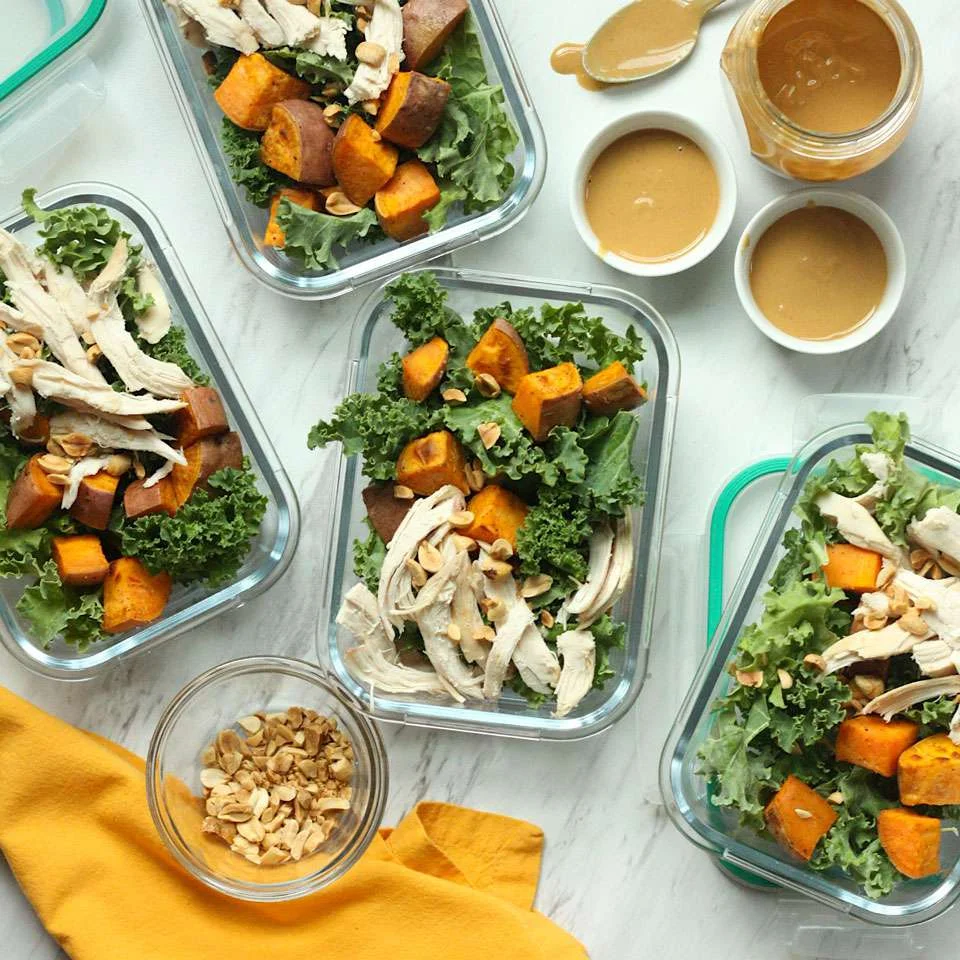
Salads packed with quinoa, grilled chicken, beans, and fresh vegetables are not only refreshing but also incredibly satisfying. Adding nuts or seeds introduces an appealing crunch and healthy fats. Dress with a simple vinaigrette made from olive oil, lemon, and herbs for flavor without unnecessary calories. These salads hold up well when stored properly and can be enjoyed cold or at room temperature.
One-Pot Grain Bowls
One-pot grain bowls blend convenience with nutrition. Start with a base like brown rice or farro, then layer in roasted veggies, your choice of protein, and a drizzle of tahini or yogurt sauce. These bowls are versatile and easy to customize according to what you have on hand. Preparing them in one pot also makes cleanup a breeze.
Hearty and Healthy Wraps
Wraps are a fantastic option for those on the go. Filling whole-grain tortillas with lean proteins, crunchy veggies, and flavorful spreads creates a portable and balanced meal. You can prepare the fillings in advance and assemble wraps daily to maintain freshness. Wraps offer variety in texture and taste, making lunchtime something to look forward to.
Maintaining Freshness and Food Safety Tips
Keeping your meals fresh throughout the week is vital, both for taste and health. Always cool cooked foods completely before storing them in the fridge to avoid condensation, which can promote bacterial growth. Store meals in airtight containers and consume perishable items within three to four days. When reheating, ensure food reaches a safe internal temperature. Following these best practices helps prevent foodborne illnesses and keeps your lunches enjoyable.
Adjusting Meal Prep Habits as Your Schedule Changes
Life is unpredictable, and your meal prep habits should be flexible to adapt. On particularly busy weeks, simplify by prepping just a few meals or focus on frozen options to save time. Conversely, when you have more free time, experimenting with new recipes or cooking techniques can rejuvenate your meal routine. Listening to your schedule and energy levels allows you to create a meal prep system that supports you rather than adds stress.


