
Introduction to Batch Cooking
What is Batch Cooking?
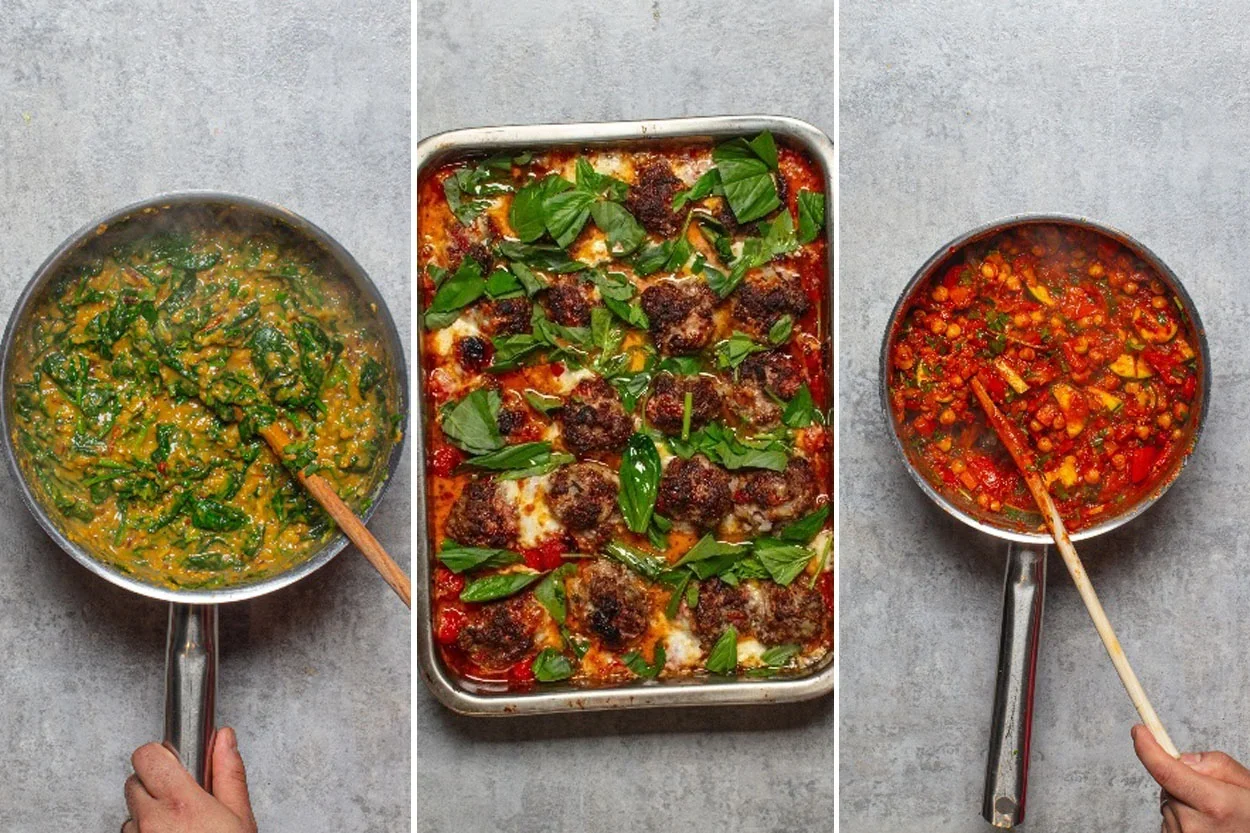
Batch cooking involves preparing multiple meals or components of meals at once, typically for the entire week. This approach allows you to cook in larger quantities and then store portions for quick reheating and eating later. Instead of cooking from scratch every day, batch cooking saves time and effort by consolidating meal preparation into one or two sessions.
Benefits of Preparing Meals in Advance
Preparing meals ahead of time is especially helpful for busy individuals and families who struggle to find time for daily cooking. By having healthy dinners ready, you reduce the temptation to order takeout or rely on less nutritious convenience foods. Additionally, cooking in bulk often helps cut down on food waste and grocery costs, making it a practical choice for those managing a tight budget. The predictability of ready meals also supports better portion control and consistent nutrition throughout the week.
Planning Your Weekly Menu
Choosing Healthy and Budget-Friendly Recipes
One common barrier to batch cooking is deciding what to prepare. Choosing recipes that are both nutritious and affordable requires some thought. Focusing on whole foods like beans, grains, seasonal vegetables, and lean proteins can stretch your dollars while keeping meals balanced. Avoiding overly complex or ingredient-heavy dishes minimizes costs and simplifies shopping.
Incorporating Variety and Nutritional Balance
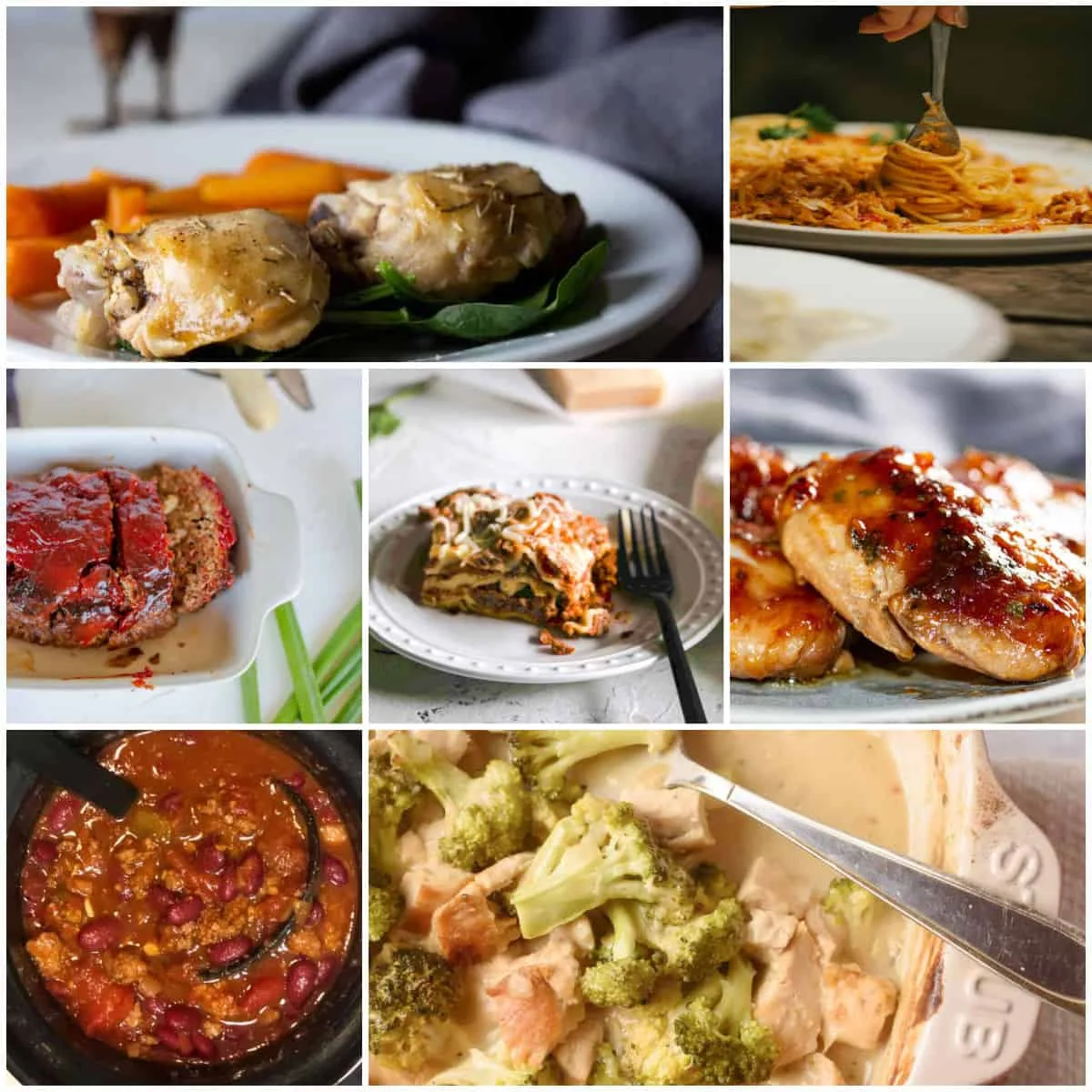
Batch cooking should not mean repetitive or monotonous meals. A well-planned menu includes a range of textures, flavors, and colors—this variety encourages satisfaction and ensures a broad spectrum of nutrients. Plan different cooking styles, such as roasting, steaming, or sautéing, across your meals to keep things interesting and enjoyable throughout the week.
Essential Tools and Kitchen Supplies for Batch Cooking
Must-Have Gadgets and Containers
Having the right equipment can significantly streamline batch cooking. Essential tools include a large cutting board, sharp knives, and pots or pans suitable for cooking in bulk. Reliable storage containers that are microwave and freezer safe help keep meals fresh and make reheating easier. Investing in containers of various sizes allows storing individual portions or family-sized servings efficiently.
Time-Saving Tips for Efficient Prep
Efficiency in the kitchen is crucial when preparing multiple meals at once. Organizing your workspace before starting helps avoid unnecessary movement and interruptions. Grouping tasks—such as washing all vegetables at once or chopping ingredients together—reduces redundant effort. Pre-measuring spices or setting up cooking stations can also speed up the process while maintaining quality.
Step-by-Step Instructions to Batch Cook Dinners
Grocery Shopping Strategies
A successful batch cooking session begins with a thoughtful grocery shopping trip. Make a detailed list according to your planned menu to prevent impulse buys and forgotten ingredients. Shopping at stores that offer bulk options or discounted produce can help reduce costs. Being flexible with brands or substitutes can also optimize your budget without compromising nutrition.
Prepping Ingredients Like a Pro
Preparation is key to smooth batch cooking. After shopping, clean and cut vegetables, portion proteins, and soak grains if needed. Organize ingredients in bowls or containers ready to use during cooking. This prep method minimizes downtime during the actual cooking phase and helps maintain a clean, safe workspace throughout.
Cooking Multiple Dishes Simultaneously
Cooking several dishes at once might seem overwhelming, but with proper timing and coordination, it becomes manageable. Use your oven, stovetop, and slow cooker strategically to maximize capacity. Start with dishes requiring longer cook times and add quicker ones later. Multi-tasking by stirring one pot while another bakes can shorten total cooking duration without sacrificing meal quality.
Storage and Reheating Best Practices
How to Store Meals Safely and Extend Freshness
Proper storage ensures meals stay safe to eat and retain their flavor. Divide cooked food into appropriately sized portions before cooling, then store in airtight containers. Cooling foods quickly before refrigerating slows bacterial growth. Freezing some meals can extend their shelf life, but be mindful of texture changes that may occur with certain ingredients when thawed.
Reheating Techniques to Maintain Flavor and Texture
Reheating batch-cooked meals without compromising quality can be challenging. Using gentle heat methods like microwaving with a cover to retain moisture or reheating on low stove settings helps preserve textures. Stir meals occasionally for even heating and add small amounts of water or broth if food appears dry. Avoid overheating, which can make ingredients tough or rubbery.
Creating a Sustainable Batch Cooking Routine
Adjusting Portions to Reduce Food Waste
One common pitfall in batch cooking is preparing too much food, leading to waste. Learning to estimate appropriate portion sizes based on household habits helps prevent leftovers from spoiling. Tracking what is eaten each week can inform future shopping and cooking decisions, ensuring food matches your actual needs and preferences.
Tips for Staying Consistent Week After Week
Building a lasting batch cooking routine requires balancing planning with flexibility. Keep a rotating selection of favorite meals to ease decision-making while occasionally trying new recipes to maintain interest. Designate specific days for batch cooking and treat them as non-negotiable appointments. Over time, this practice can become a streamlined part of your lifestyle, supporting healthier eating and budget management.


