
Understanding the Basics of Plant-Based Nutrition
Key Nutrients to Focus On
Embarking on a plant-based diet means shifting your focus toward nutrients that are abundant in plants but also being mindful of those that require extra attention. Protein is often the first nutrient that comes to mind, but vitamins like B12, iron, calcium, and omega-3 fatty acids play equally crucial roles. They support everything from muscle repair to brain function and bone health. Since some of these nutrients are less bioavailable in plant foods, knowing where to find them and how to pair foods for better absorption makes a significant difference in meeting your daily needs.
Common Myths and Facts
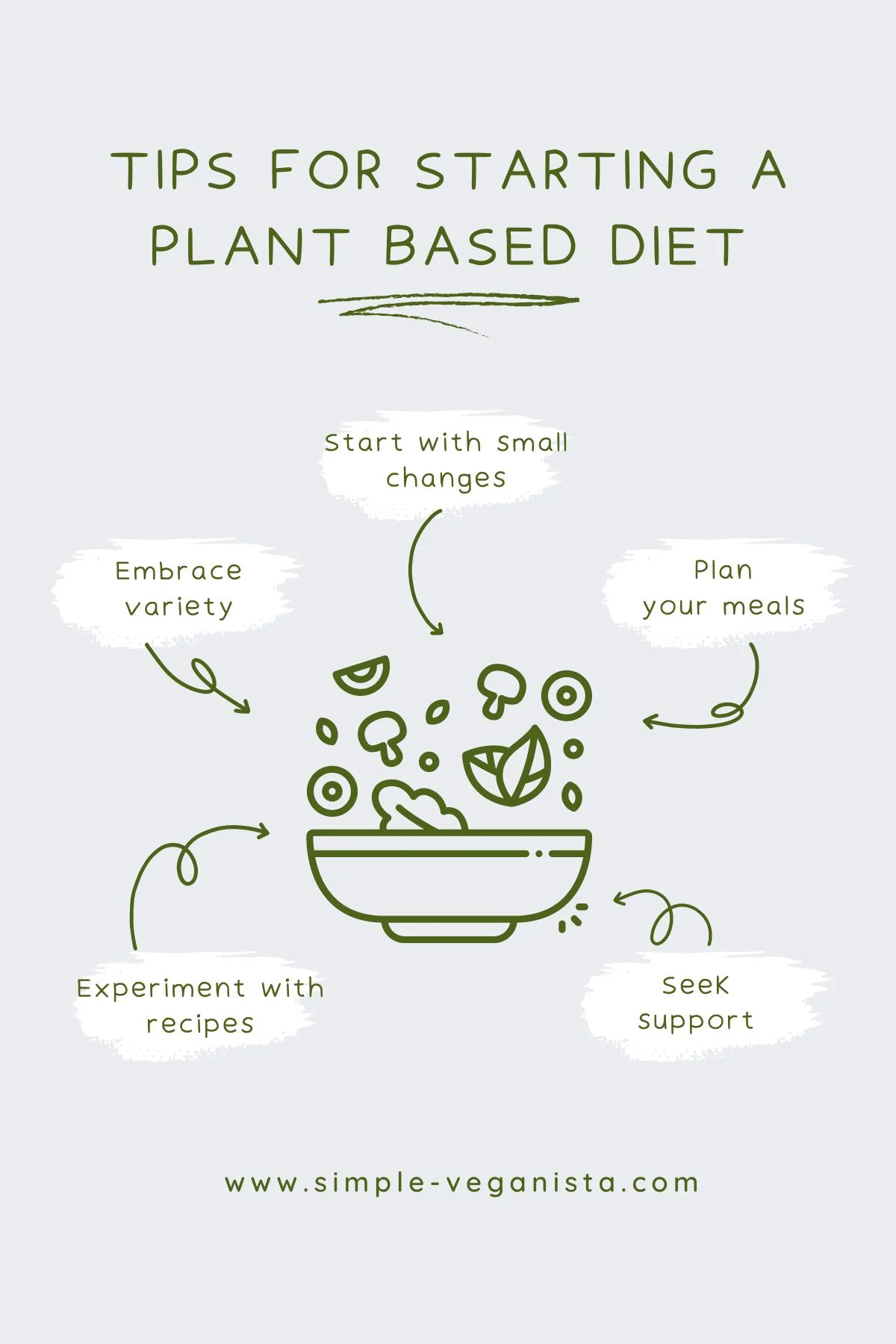
There’s a lot of misinformation floating around about plant-based diets. One widespread myth is that you can’t get enough protein without animal products, which isn’t true if you include legumes, nuts, seeds, and whole grains in your meals. Another misconception is that plant-based means boring or limited food choices. On the contrary, this eating style opens up a vibrant world of flavors and textures. Understanding these facts helps clear doubts and builds confidence in your meal planning.
Creating Balanced Plant-Based Meals
Incorporating Protein Sources
Plant proteins vary in amino acid profiles, but by diversifying your choices—think lentils, chickpeas, quinoa, tofu, and tempeh—you can cover your bases. Combining grains with legumes is an excellent strategy that has stood the test of time, ensuring your body gets all essential amino acids. It’s also helpful to spread protein intake throughout the day rather than loading it into just one meal.
Ensuring Adequate Vitamins and Minerals
Vitamin B12, naturally found only in animal products, requires supplementation or fortified foods when following a purely plant-based diet. Iron from plants is non-heme iron, which doesn’t absorb as easily as the heme variety, so pairing iron-rich foods like spinach or lentils with vitamin C sources such as bell peppers or citrus fruits can enhance absorption. Similarly, calcium can be sourced from fortified plant milks, almonds, and leafy greens like kale. Paying attention to these details ensures you stay energized and healthy.
Balancing Macronutrients for Energy
Your meals need a harmonious balance of carbohydrates, fats, and protein to maintain energy levels and keep you satiated. Whole grains and starchy vegetables provide complex carbs, while nuts, seeds, and avocados contribute healthy fats. Mixing these with adequate protein sources creates meals that not only fuel your day but also support long-term health.
Meal Planning Strategies for a Plant-Based Diet
Weekly Meal Prep Ideas
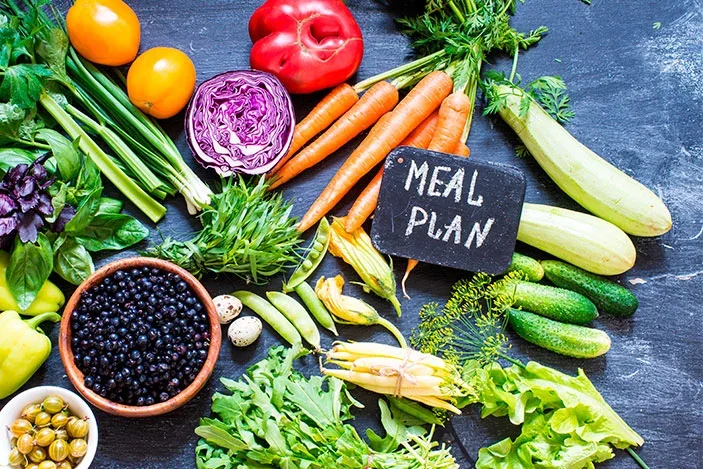
Planning ahead takes the stress out of daily cooking. Setting aside a few hours once or twice a week to prepare staples—like cooked beans, grains, and chopped vegetables—saves time and encourages variety. Creating versatile bases lets you mix and match with fresh ingredients, spices, or sauces to keep meals exciting. This proactive approach also reduces the temptation to grab less nutritious convenience foods.
Using Seasonal and Local Ingredients
Eating seasonally not only supports local farmers but also guarantees fresher, more nutrient-dense produce. Seasonal ingredients often taste better and are more affordable. For example, spring might bring fresh peas and asparagus, while autumn offers pumpkins and root vegetables. Incorporating these into your meal plans adds natural variety and connects you more deeply with the rhythms of nature.
Tools and Resources to Simplify Planning
Apps and Websites for Nutritional Tracking
Technology can be a great ally in your plant-based journey. Apps like Cronometer or MyFitnessPal let you track nutrient intake and spot any potential gaps. Some even offer meal suggestions tailored to your dietary preferences. Using these tools helps you stay informed and adjust your meals as needed, making it easier to hit your nutritional targets.
Cookbooks and Recipe Collections
Investing in a few go-to cookbooks or bookmarking reliable food blogs can inspire your weekly menu. They offer tested recipes that balance nutrition with flavor, removing guesswork from the process. Over time, you’ll develop a repertoire of favorites that can be adapted to whatever ingredients you have on hand.
Sample Meal Plans for Different Lifestyle Needs
Busy Professionals
For those with hectic schedules, meals need to be quick and portable. Think overnight oats packed with chia seeds for a grab-and-go breakfast or mason jar salads layered with quinoa, beans, and fresh veggies for lunch. Pre-made energy balls made from nuts and dried fruit offer a nutritious snack option to keep energy steady during the workday. Planning snacks and meals in advance reduces the chances of reaching for unhealthy options.
Active Individuals and Athletes
When you’re fueling a demanding workout routine, your plant-based meals should emphasize higher protein and carbohydrate intake for recovery and energy. Smoothies with pea or hemp protein powder, combined with fruits and nut butter, can be quick post-exercise options. Balanced dinners might include stir-fried tofu with brown rice and a rainbow of vegetables, providing essential nutrients to support muscle repair and endurance.
Families and Kids
Introducing plant-based meals to children can be both fun and educational. Incorporate familiar flavors and textures while sneaking in extra veggies through creative presentations like veggie-loaded pasta sauces or colorful wraps. Offering a variety of foods from different plant groups ensures kids receive diverse nutrients. It’s also important to monitor their growth and energy levels, adjusting meals as necessary.
Tips for Eating Out and Social Situations
Dining out on a plant-based diet can sometimes feel limiting, but many restaurants now offer vegan or vegetarian options. Don’t hesitate to ask the server about customizing dishes or substituting ingredients to suit your needs. Social events might require a bit of preparation, so bringing a plant-based dish to share or eating beforehand can prevent last-minute compromises. Flexibility and clear communication help you stay on track without feeling isolated.
Navigating Challenges and Staying Motivated
Adjusting to a plant-based lifestyle isn’t without its hurdles. Cravings for familiar foods, social pressures, or initial meal planning frustrations might test your resolve. Remember that it’s okay to take gradual steps—flexibility can prevent burnout. Connecting with like-minded communities through social media or local groups provides support and inspiration. Celebrating small victories and focusing on how great you feel physically and emotionally can sustain motivation over the long term.


