
Understanding the Basics of Budget-Friendly Nutritional Planning
Why Nutrition Should Not Be Compromised on a Budget
Maintaining a nutritious diet while managing a limited budget is essential for overall health and well-being. Poor nutrition can lead to fatigue, weakened immunity, and long-term health problems. Prioritizing nutrient-rich foods, even on a tight budget, supports energy levels and disease prevention, making it a worthy investment.
Key Nutrients to Focus on When Shopping
Focusing on essential nutrients helps in making smart choices. Key components include proteins for muscle repair, fiber for digestion, healthy fats for brain function, and vitamins and minerals for immune support. Identifying foods that offer these nutrients at a low cost is the foundation of successful grocery planning.
Step-by-Step Guide to Creating Your Weekly Grocery List
Assessing Your Household’s Nutritional Needs
Start by understanding the dietary requirements of everyone in your household. Consider age, activity levels, and any health conditions. This helps tailor the grocery list to include the right balance of macronutrients and micronutrients, avoiding unnecessary purchases.
Inventory Check: What You Already Have at Home
Before heading to the store, review your pantry, fridge, and freezer. Identifying staples and leftovers reduces waste and ensures you only buy what’s needed. This simple step keeps your list focused and budget-friendly.
Meal Planning Techniques to Stretch Your Budget
Plan meals around versatile ingredients that can be used in multiple dishes. Batch cooking and prepping ingredients saves time and money. Incorporate affordable staples like beans, rice, and frozen vegetables to add variety without stretching expenses.
Smart Shopping Strategies to Maximize Value
Choosing Cost-Effective Nutrient-Dense Foods
Opt for foods that offer high nutrition per dollar. Items like oats, eggs, canned fish, and seasonal produce provide excellent nutrient profiles at lower costs. Prioritizing these maximizes the impact of each purchase.
Using Coupons, Discounts, and Loyalty Programs
Take advantage of store promotions and digital coupons. Loyalty programs often offer exclusive discounts that add up over time. Combining these strategies can significantly reduce your grocery bill without sacrificing quality.
Understanding Unit Pricing and Bulk Buying
Pay attention to unit prices to compare values accurately. Bulk buying non-perishable items or those with a long shelf life can lower costs. However, avoid bulk purchases that may lead to spoilage and waste.
Optimizing Your Grocery List for Variety and Health
Balancing Proteins, Carbohydrates, and Fats
A well-rounded diet includes a balance of macronutrients. Incorporate affordable protein sources like lentils and eggs alongside whole grains and healthy fats from nuts or seeds. This balance supports sustained energy and overall health.
Seasonal and Local Produce Benefits
Seasonal fruits and vegetables tend to be fresher, more flavorful, and cheaper. Local markets often offer competitive prices and support local farmers. Prioritizing these options ensures variety and quality.
Incorporating Affordable Superfoods
Affordable superfoods like spinach, carrots, and sweet potatoes pack nutrients without high costs. Including these in your list boosts nutritional density and helps meet daily vitamin and mineral needs.
Tips for Reducing Food Waste and Stretching Ingredients
Proper Food Storage to Prolong Freshness
Storing food correctly slows spoilage and saves money. Use airtight containers for dry goods and separate produce based on ripeness. Keep your fridge organized to spot items before they expire.
Creative Meal Prepping and Leftover Usage
Repurpose leftovers into new meals to minimize waste. For example, roasted vegetables can become soup ingredients, while cooked grains can turn into salads. Meal prepping reduces impulsive buys and helps control portions.
Case Study: Sample Weekly Grocery List for a Tight Budget
Meal Plan Breakdown and Shopping List
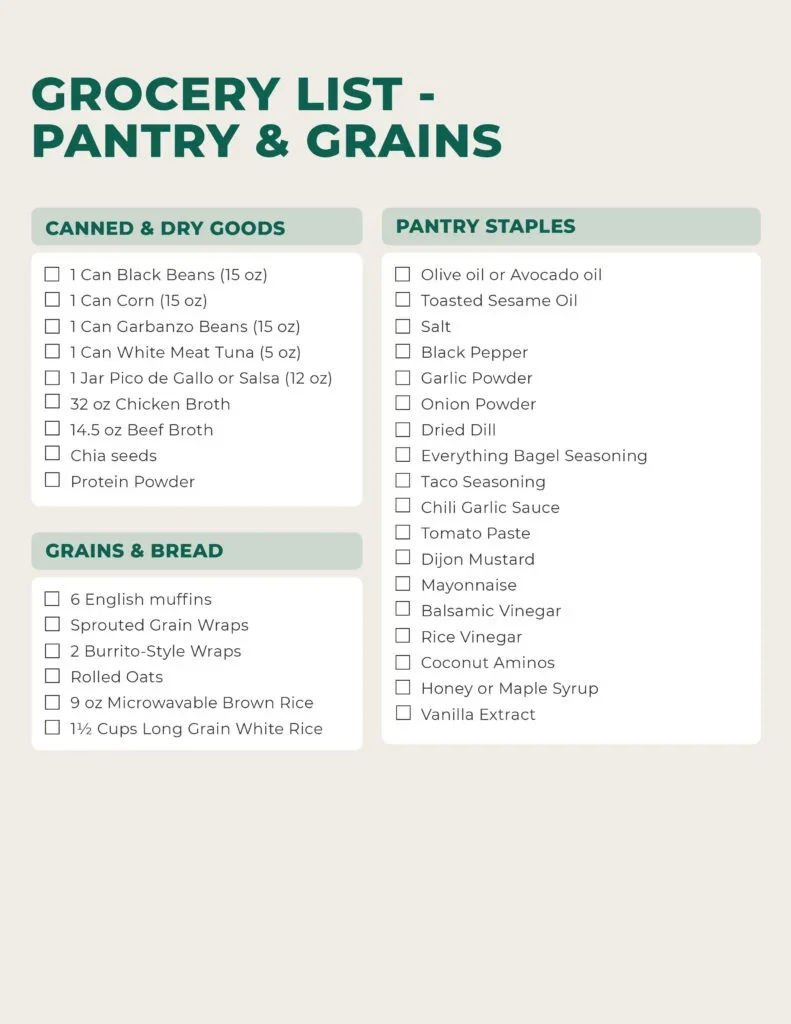
A sample week might include oatmeal with fruit for breakfast, lentil soup or eggs with toast for lunch, and stir-fried vegetables with rice for dinner. Key grocery list items include oats, lentils, eggs, seasonal vegetables, rice, and some fresh fruit.
Estimated Costs and Nutritional Summary
This simple plan can cost under $40 per week for a small household while covering essential nutrients like protein, fiber, vitamins, and minerals. It demonstrates how careful planning can deliver balanced nutrition without overspending.


