
Introduction to Environmental Impact on Creativity
Understanding the Connection Between Environment and Cognitive Function
Creativity is not solely a mental process confined to ideas and imagination; it is deeply influenced by the physical environment surrounding an individual. Various aspects of a workspace, such as lighting, sound, and spatial arrangement, directly affect how the brain functions. When these environmental factors are not conducive, the mind may struggle with focus and innovation, making creative tasks feel cumbersome. Recognizing the link between environment and cognitive performance allows individuals and organizations to optimize work conditions and foster idea generation effectively.
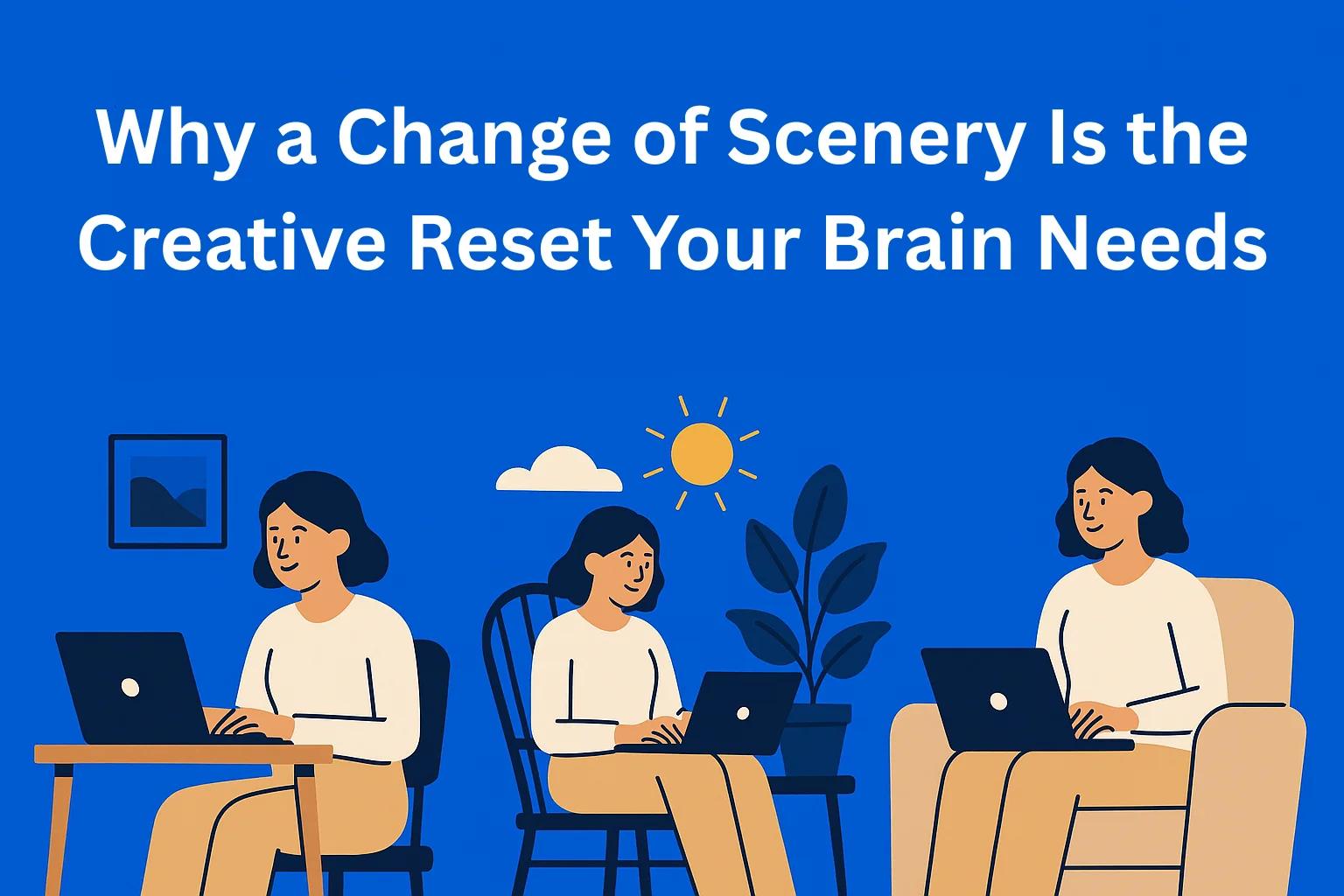
Why Work Sessions Benefit from Environmental Adjustments
During work sessions, especially those requiring creativity, mental energy can fluctuate and often diminish due to monotony or discomfort. Environmental adjustments can break this cycle by re-energizing the brain and reducing cognitive fatigue. By tailoring the workspace to support creative thinking, individuals can sustain longer periods of innovation and problem-solving. This strategic alteration of surroundings not only revives motivation but also enhances overall productivity, making work sessions more fruitful and engaging.
Key Environmental Factors That Influence Creativity
Lighting and Its Psychological Effects
Poor lighting can lead to eye strain and mental fatigue, which hinder the creative process. Natural light or lighting that mimics daylight conditions tends to elevate mood and alertness, positively impacting cognitive functions. On the other hand, harsh fluorescent lighting can create discomfort and reduce mental clarity. Adjusting light intensity and quality is crucial because it sets the tone for work sessions, either encouraging a calm focus or causing distraction.
Soundscapes: Silence vs Ambient Noise
Sound environments play a significant role in shaping concentration and creativity. Complete silence may help in deep focus but can sometimes feel isolating or even lead to heightened awareness of distractions. In contrast, ambient noise, such as soft background music or natural sounds, has been shown to stimulate creative thinking by fostering subconscious brain activity. The challenge lies in balancing noise levels to prevent overstimulation while maintaining an inspiring soundscape for work.
Color Psychology in Workspaces
Colors evoke emotions and cognitive responses that can either motivate or inhibit creative output. For instance, blues and greens are often associated with calmness and can enhance concentration, while warmer shades like oranges and reds may spark energy and excitement. However, overuse of intense colors might cause visual fatigue or anxiety. Understanding how color influences psychology enables intentional design choices in workspaces to optimize creativity without causing overstimulation.
Practical Environmental Changes to Boost Creative Output
Rearranging Office Layouts for Better Flow and Focus
A cluttered or poorly organized workspace can lead to distractions and hinder creative flow. Rearranging office layouts to create open spaces, eliminate unnecessary barriers, and introduce designated zones for different tasks can stimulate movement and fresh thinking. For example, incorporating collaborative areas alongside quiet zones offers flexibility, which encourages spontaneous idea exchanges while respecting focused work requirements.
Incorporating Nature: Plants, Views, and Natural Elements
Natural elements have a restorative effect on the human mind, reducing stress and improving focus. Adding plants to a workspace or positioning desks near windows with outdoor views can refresh the mind and foster creativity. Natural textures and colors provide sensory variety, breaking the monotony of standard office designs. This connection to nature often revitalizes workers, helping to sustain creative energy throughout demanding work sessions.
Adjusting Temperature and Air Quality
Environmental discomforts, such as extreme temperature or poor air quality, are common yet overlooked factors that negatively affect productivity and creativity. A workspace that is too hot or too cold can distract the mind, while stale air reduces oxygen levels necessary for optimal brain function. Regularly controlling temperature within comfortable ranges and ensuring good ventilation enriches the work environment, allowing creativity to flourish without physical discomfort.
Time-Based Environmental Shifts for Creative Spurts
Using Breaks to Change Surroundings
Extended exposure to the same environment can lead to mental stagnation. Taking breaks that involve a change in scenery reboots the brain by providing new stimuli and perspectives. Even short walks or moving to a different room can trigger fresh insights and creative thoughts. Breaks serve as intentional pauses that refresh cognitive resources, making subsequent work sessions more dynamic and innovative.
Timing Light Variations to Boost Brain Waves
Light exposure influences circadian rhythms and brain wave patterns, which are essential for cognitive alertness and creativity. Adjusting lighting throughout the day to align with natural light cycles can enhance mental performance. For instance, cooler, brighter light in the morning encourages alertness, while warmer tones in the afternoon support relaxation and introspection. Utilizing these timed light variations helps maintain an optimal mental state for creative tasks.
Technology and Tools to Modify Your Work Environment
Smart Lighting and Sound Devices
Modern technology allows for precise control of environmental factors that impact creativity. Smart lighting systems enable users to adjust brightness and color temperature based on the time of day or personal preference. Similarly, customizable sound devices can generate ambient noise tailored to improve focus or inspiration. These tools offer flexibility to adapt environments dynamically, supporting sustained creative effort regardless of external conditions.
Virtual Reality and Immersive Spaces for Creativity
Virtual reality (VR) and immersive workspaces provide entirely new ways to manipulate environmental variables for creativity stimulation. VR environments can simulate natural settings, abstract spaces, or collaborative hubs, removing physical limitations. This technological advancement offers users immersive experiences that trigger novel thought processes and problem-solving approaches. While still emerging, VR holds promise as a powerful tool for enhancing creative work sessions.
Case Studies: Successful Companies Leveraging Environmental Changes
Examples from Tech and Creative Industries
Several leading tech and creative firms have implemented innovative environmental strategies to boost employee creativity. Companies like Google and Pixar emphasize open layouts, abundant natural light, and integration of natural elements. These environments have been designed intentionally to stimulate collaboration and creative risk-taking by reducing barriers and enhancing comfort. The positive workplace culture these companies foster is largely attributed to their environmental choices.
Employee Feedback and Productivity Metrics
Employee testimonials from companies that prioritize environmental changes often highlight increased motivation, reduced stress, and improved idea generation. Productivity metrics support these claims, showing higher output and more innovative outcomes when employees work in thoughtfully designed spaces. However, companies must continuously assess and adapt environments, as individual preferences and project demands vary, underscoring the need for flexible and personalized environmental adjustments.


