
Understanding Hair Damage: Causes and Symptoms
Common Factors That Weaken Hair
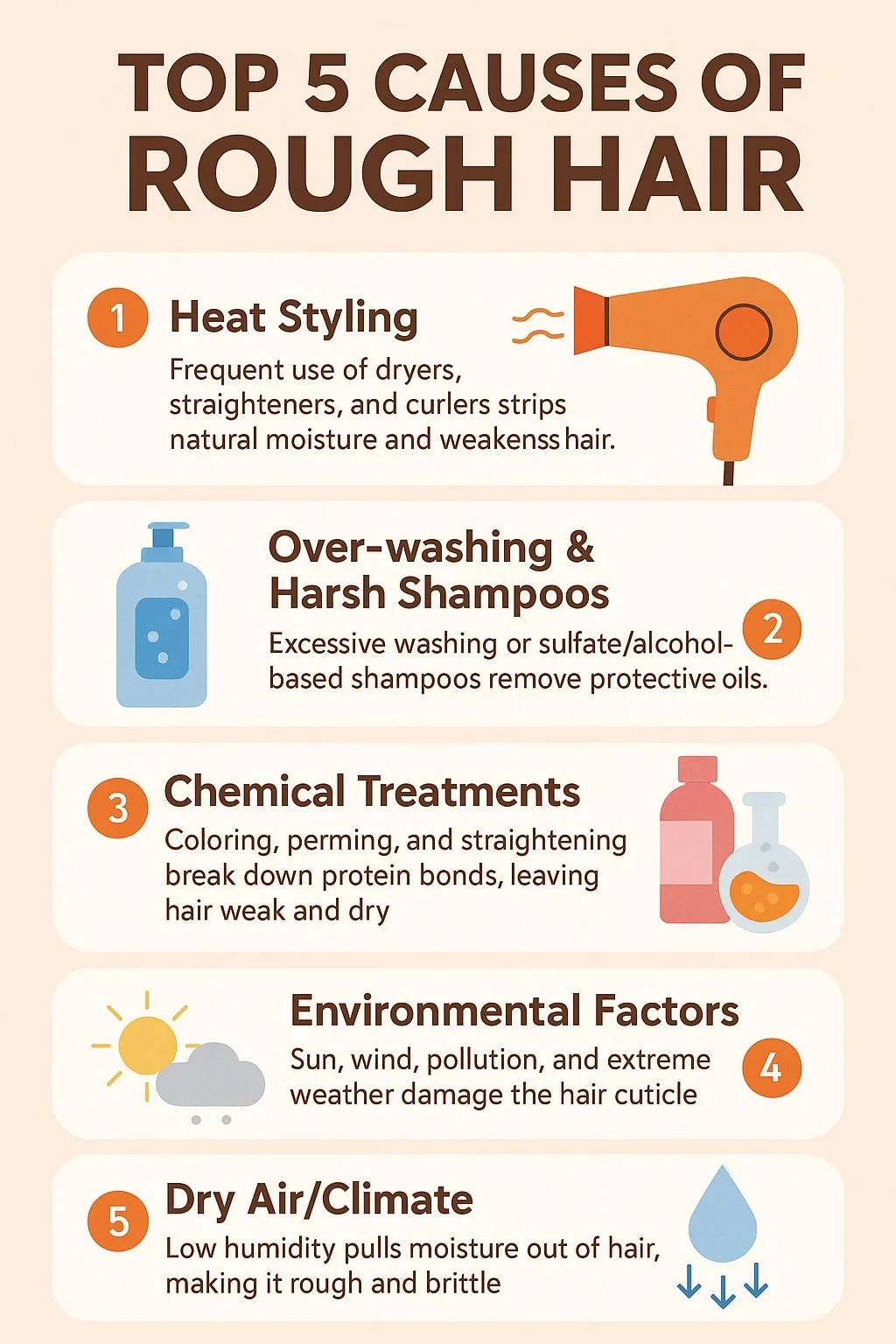
Hair damage doesn’t just appear out of nowhere. Everyday habits like frequent heat styling, exposure to harsh sunlight, and overuse of chemical treatments can gradually weaken your hair’s structure. For instance, a friend of mine used to straighten her hair daily with a flat iron without wearing any heat protectant. Over time, her hair became brittle and started to split at the ends. Environmental factors such as pollution and hard water also contribute by stripping away natural oils, leaving strands fragile and prone to breakage.
Identifying Signs of Damaged Hair
Knowing when your hair is damaged is the first step to fixing it. Common signs include excessive dryness, split ends, frizziness, and a dull appearance. One day, I noticed my hair was tangling more than usual and felt rough to the touch, which was a clear indication that it needed extra care. If your hair breaks easily when brushed or you see shedding beyond the normal range, these are also red flags that your hair health has been compromised.
Key Nutrients for Healthy Hair Growth
Role of Vitamins and Minerals
Healthy hair requires a cocktail of nutrients to thrive. Vitamins like A, C, D, and E encourage oil production and protect hair follicles, while B-complex vitamins promote cell metabolism essential for growth. Minerals such as zinc and iron support scalp health and prevent hair loss. For example, after increasing her intake of iron-rich spinach and vitamin C-packed oranges, my cousin noticed a visible improvement in her hair’s thickness within a few months.
Natural Ingredients That Provide Essential Nutrients
Nature offers plenty of nutrient-rich ingredients that can nourish hair when applied topically. Coconut oil is rich in lauric acid, which penetrates the hair shaft and reduces protein loss. Aloe vera contains proteolytic enzymes that repair dead skin cells on the scalp, encouraging healthy hair growth. Even ingredients like honey and yogurt provide moisturizing and strengthening benefits that restore vitality to damaged strands.
Top 7 Homemade Remedies to Repair and Nourish Hair
Deep Conditioning with Coconut Oil and Honey
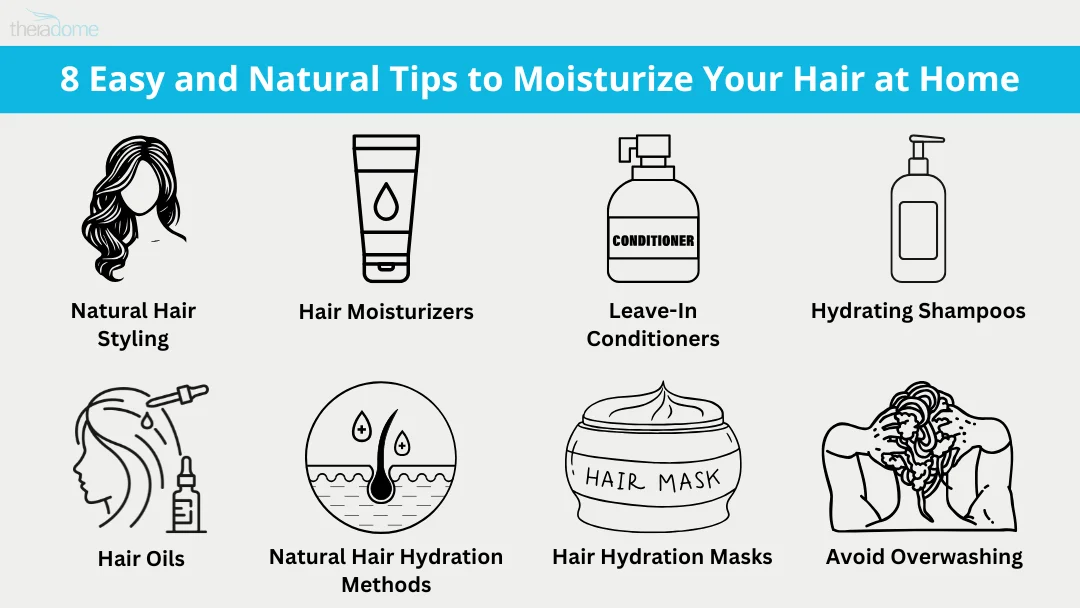
One of the simplest yet most effective treatments I’ve tried involves mixing warm coconut oil with honey. This blend deeply conditions dry hair and locks in moisture. After applying it to my hair and leaving it on for about 30 minutes, I noticed a softness and shine that lasted for days. Honey acts as a humectant, drawing moisture into the hair, while coconut oil strengthens the hair shaft from within.
Avocado and Yogurt Mask for Hydration
Avocado is packed with fatty acids, vitamins, and antioxidants, making it perfect for hydrating parched hair. I remember a weekend when my hair felt particularly brittle after a beach trip. Making a mask from mashed avocado mixed with plain yogurt instantly soothed my dry scalp and restored elasticity to my strands. Yogurt’s probiotics also help balance the scalp’s natural environment, promoting healthier growth.
Aloe Vera Gel Treatment for Scalp Health
Applying fresh aloe vera gel directly onto the scalp is a game-changer, especially if you experience itchiness or dandruff. Its cooling properties calm irritation and improve blood circulation to the hair follicles. A colleague used this regularly and found that not only did her scalp feel less irritated, but her hair also grew thicker over time.
Egg and Olive Oil Protein Boost
Protein is vital for repairing damaged hair, and eggs are a natural protein source packed with biotin and sulfur. When combined with olive oil, which helps retain moisture, this treatment can rebuild weakened strands. After applying the egg and olive oil mixture and leaving it on for about 20 minutes, my hair felt noticeably stronger and easier to manage.
Banana and Almond Oil Moisturizing Blend
Bananas provide potassium and natural oils that soften hair, while almond oil adds shine and nourishment. A friend facing flaky scalp problems used this blend regularly and found that it calmed her irritation and left her hair silky. Plus, it’s easy to prepare with ingredients you likely already have at home.
Green Tea Rinse to Strengthen Hair Follicles
Green tea contains antioxidants known as catechins, which can inhibit hair loss and stimulate growth. After rinsing her hair with cooled green tea, a family member noticed reduced hair fall and a healthier scalp condition. It’s a simple step that can be incorporated into your routine once or twice a week for noticeable benefits.
Fenugreek Seed Paste for Hair Fall Control
Fenugreek seeds are traditionally used in many cultures to combat hair fall. Soaking the seeds overnight and then grinding them into a paste creates a natural treatment rich in proteins and nicotinic acid. Applying this paste reduced breakage for my neighbor, who struggled with thinning hair, making it an effective remedy worth trying.
Application Tips for Maximum Effectiveness
Optimal Frequency and Timing
Consistency is key when using homemade remedies. Most treatments work best when applied 1-2 times per week, allowing hair to absorb nutrients without overwhelming the scalp. For example, applying a coconut oil mask too frequently can weigh hair down. It’s also beneficial to leave remedies on for 20-30 minutes to maximize absorption before rinsing.
How to Properly Apply and Rinse Remedies
To get the most out of these natural treatments, it’s important to apply them evenly from roots to tips. Using fingers or a wide-toothed comb helps distribute the product without causing breakage. When rinsing, lukewarm water is preferable instead of hot water, which can strip moisture. Gentle shampoo or just water can be used depending on the ingredients applied.
Additional Lifestyle Adjustments to Support Hair Health
Dietary Changes
While topical treatments are useful, supporting hair health starts from within. Incorporating a balanced diet rich in proteins, healthy fats, and fresh fruits and vegetables provides the building blocks your hair needs. I recall a period when I focused on eating salmon, nuts, and leafy greens regularly, which complemented my hair care routine and resulted in stronger, shinier hair over time.
Avoiding Heat and Chemical Treatments
One common pitfall is relying too heavily on heat styling tools or harsh chemical products, which can undo the benefits of natural remedies. Giving your hair breaks from blow-dryers, straighteners, and coloring treatments helps maintain its structural integrity. Short-term sacrifices in styling can lead to long-term improvements in hair strength and texture.
Myths and Facts About Natural Hair Care
Many believe that natural remedies yield instant results or that they can completely replace conventional hair care products. While natural treatments are powerful, they require patience and regularity to show visible improvements. Another myth is that more product means better results; however, over-application can cause buildup and scalp issues. It’s important to balance using natural solutions with proper hair hygiene and healthy habits.


