
Understanding Sensitive Skin and the Need for Gentle Exfoliation
What Makes Skin Sensitive?
Sensitive skin can be a challenge to care for because it tends to react more easily to environmental factors, skincare products, and even minor irritations. People with sensitive skin often experience redness, itching, dryness, or a burning sensation after exposure to harsh ingredients or excessive scrubbing. This heightened response is usually due to a weakened skin barrier or a naturally thinner skin surface, making it essential to approach exfoliation with extra caution.
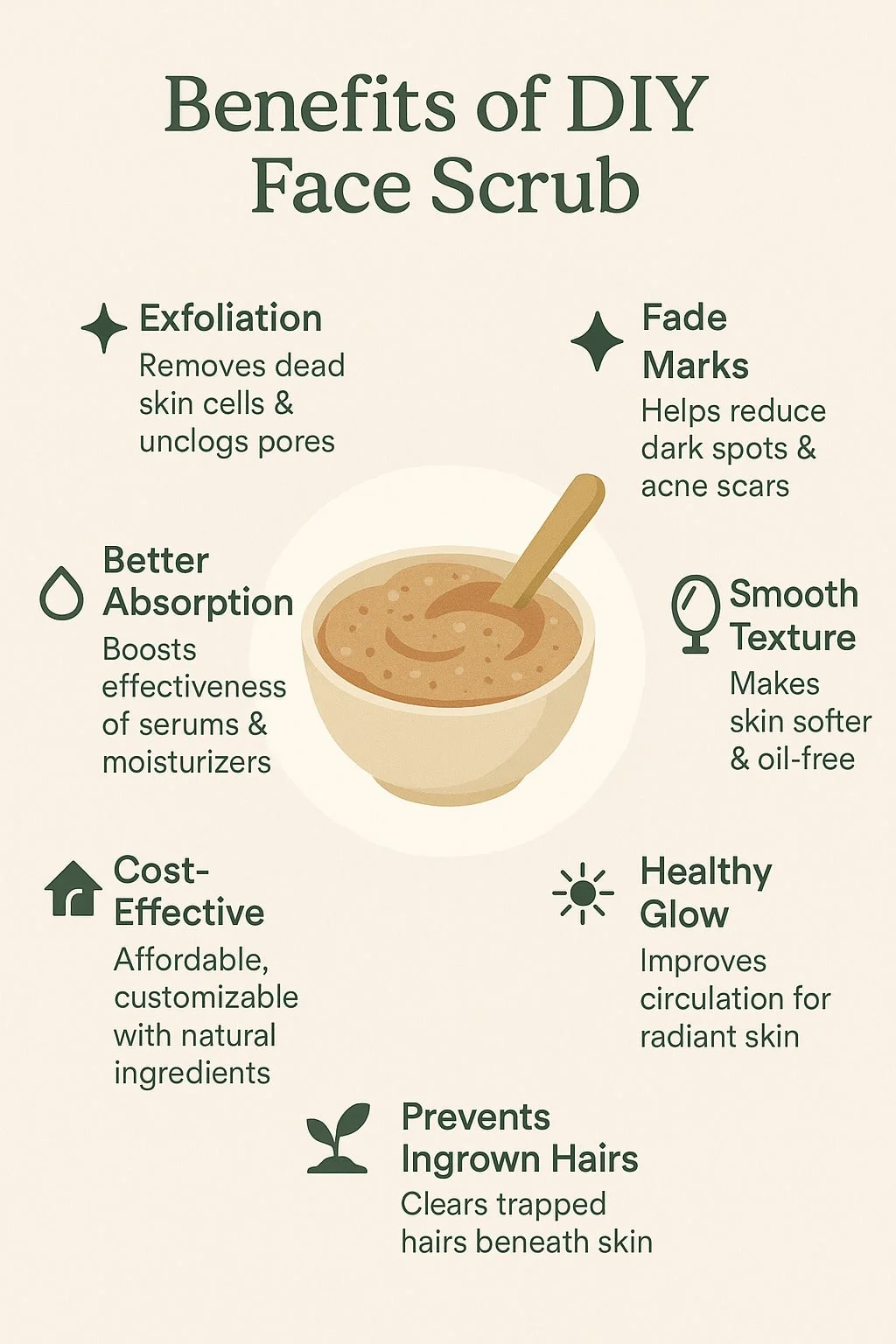
Why Choose Natural Exfoliants?
When dealing with sensitive skin, the beauty of natural exfoliants lies in their gentle, nourishing qualities. Synthetic exfoliants or harsh chemical peels can strip the skin of its protective oils, leading to more irritation. Natural ingredients often contain soothing compounds that help calm the skin while providing effective removal of dead skin cells. They offer a balanced approach to revitalizing the complexion without compromising skin health.
Top Natural Ingredients for Exfoliating Sensitive Skin
Oatmeal: Soothing and Mild

Oatmeal is a favorite in sensitive skin care because of its anti-inflammatory and moisturizing properties. Ground finely, it acts as a mild physical exfoliant that gently buffs away flakes without causing redness. Beyond exfoliation, it helps soothe irritation and restore moisture, making it ideal for calming sensitive or reactive skin.
Honey: Natural Moisturizer with Exfoliating Qualities
Honey isn’t just a sweet treat; it’s packed with natural enzymes and antioxidants that promote gentle exfoliation. It attracts moisture to the skin while breaking down dead cells. This dual action helps leave the skin feeling soft and hydrated rather than stripped. Raw or unprocessed honey is best for sensitive skin, as it retains the most beneficial properties.
Yogurt: Gentle Lactic Acid Exfoliant
Yogurt contains lactic acid, a natural alpha-hydroxy acid (AHA) that gently dissolves dead skin cells without abrasive rubbing. Its creamy texture brings nourishment and moisture, which is crucial to prevent dryness and irritation. The mild acidity of yogurt helps brighten the complexion and improves skin texture over time, all while being safe for sensitive skin types.
Ground Almonds and Rice Powder: Light Physical Exfoliants
For those preferring a physical exfoliation approach, finely ground almonds and rice powder offer a soft alternative to harsher scrubs. These powders provide subtle abrasion that helps smooth the skin surface gently, avoiding micro-tears or inflammation. When used properly, they can refine skin texture and support natural cell turnover without the risk of over-exfoliation.
DIY Recipes for Sensitive Skin Exfoliants
Calming Oatmeal and Honey Scrub
This simple scrub harnesses the calming power of oatmeal combined with the moisturizing and enzymatic benefits of honey. Mix equal parts finely ground oatmeal and raw honey to create a smooth paste. Apply it gently in circular motions and leave it on for a few minutes to let the ingredients soothe and soften your skin before rinsing off with lukewarm water.
Yogurt and Cucumber Paste
A refreshing homemade exfoliant can be made by blending plain yogurt with mashed cucumber. The lactic acid in yogurt works on exfoliating dead skin cells while cucumber cools and hydrates. This paste can be applied evenly and left on the skin for about 10 minutes, giving your face a gentle yet effective exfoliation experience without dryness or irritation.
Rice Powder and Aloe Vera Gel Mix
For a blend that’s both exfoliating and healing, combine rice powder with soothing aloe vera gel. The rice powder provides a mild abrasive texture to help exfoliate, while aloe vera’s anti-inflammatory properties calm the skin post-exfoliation. This mix is perfect for sensitive skin types needing extra moisture and relief after exfoliating.
How to Apply Natural Exfoliants Safely
Patch Testing Before Use
Before applying any new exfoliating blend to your entire face, it’s vital to perform a patch test. Apply a small amount of the product to a discreet area, such as behind the ear or on the wrist. Wait 24 to 48 hours to check for any adverse reactions like redness, swelling, or itching. This precaution helps avoid widespread irritation and ensures your skin will respond well.
Frequency and Timing Recommendations
Exfoliating sensitive skin too often can disrupt its delicate balance and cause more harm than good. Ideally, exfoliation should be limited to once or twice a week. Timing is also important; exfoliating in the evening allows your skin to recover overnight. Avoid exfoliating right before sun exposure, as freshly exfoliated skin can be more vulnerable to UV damage.
Techniques for Minimizing Irritation
Using gentle, circular motions with your fingertips rather than harsh scrubbing tools is key to reducing irritation. Always use lukewarm water instead of hot water, which can strip natural oils. After rinsing, pat your skin dry softly with a clean towel rather than rubbing. These small adjustments in application technique can make a significant difference in how your skin reacts.
Additional Tips for Caring for Sensitive Skin Post-Exfoliation
Hydration and Moisturizing Strategies
After exfoliation, your skin needs extra care to maintain its moisture barrier. Applying a calming, fragrance-free moisturizer immediately helps lock in hydration and repair any minor irritation. Ingredients like ceramides, hyaluronic acid, and natural oils can be especially beneficial. Drinking plenty of water also supports skin health from within.
Sun Protection After Exfoliation
Because exfoliation removes the top layers of dead skin cells, it temporarily increases your skin’s sensitivity to sunlight. Using a broad-spectrum sunscreen with at least SPF 30 every day is crucial to prevent sunburn and long-term damage. Wearing protective clothing and seeking shade during peak sun hours further protects your skin as it heals and renews.


