
Understanding Sleep Hygiene and Its Impact on Mental Health
Definition and Importance of Sleep Hygiene
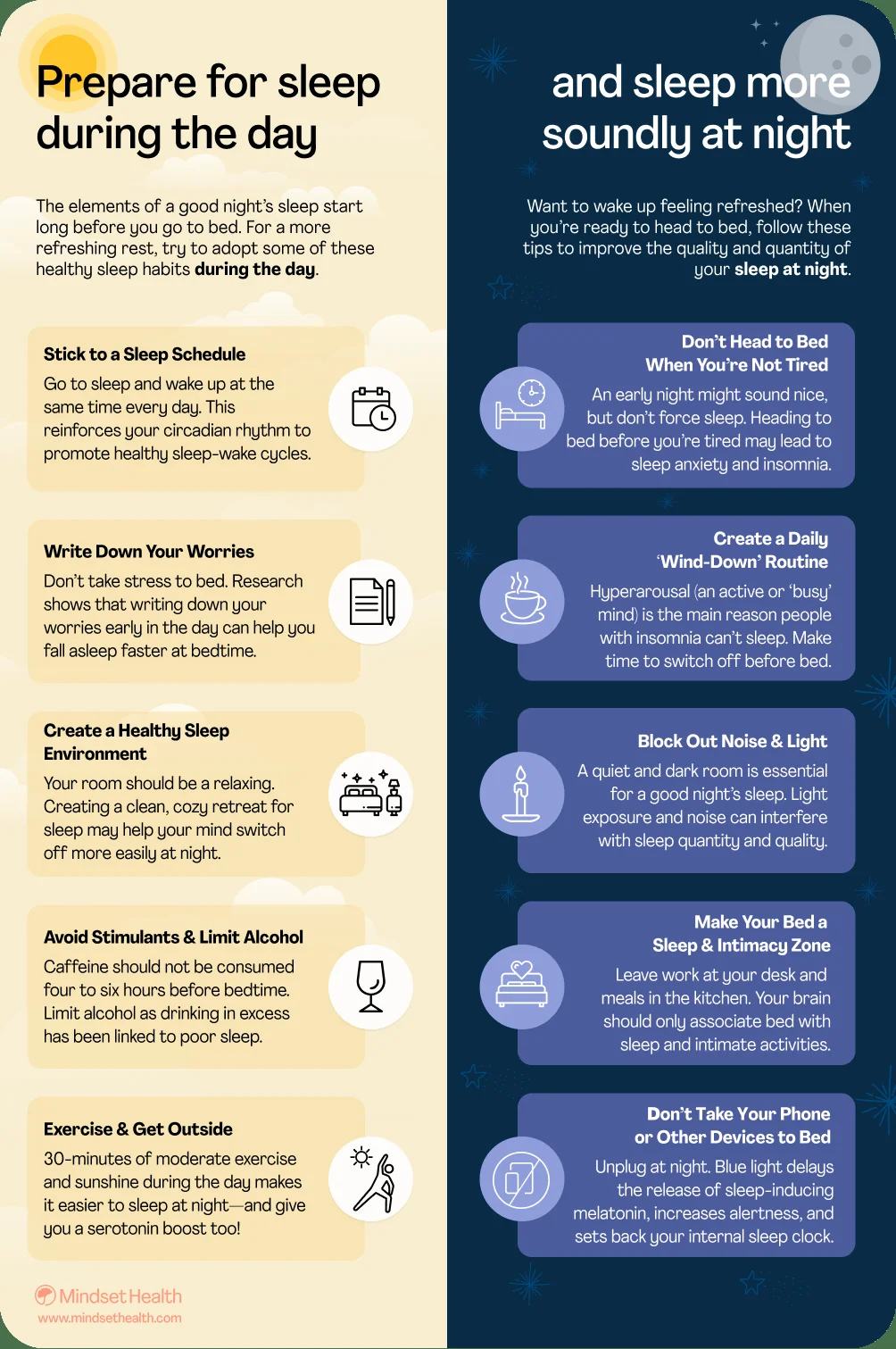
Sleep hygiene refers to the set of habits and environmental factors that contribute to getting quality, restorative sleep. While it might sound straightforward—just go to bed early and wake up on time—the reality is more nuanced. Good sleep hygiene encompasses everything from how you prepare for sleep to the environment in which you rest. It plays a crucial role in maintaining overall well-being, affecting not just how rested you feel but also impacting cognitive functions and emotional stability.
Connection Between Sleep Quality, Mental Clarity, and Emotional Balance
When your sleep is interrupted or insufficient, it becomes harder to focus, process information, and retain memories. This mental fog can lead to frustration and even increase stress levels. On the emotional side, poor sleep can make moods more volatile, affecting patience and resilience. Simply put, achieving consistent, refreshing sleep opens the door to clearer thinking and a balanced emotional state, both essential for daily life and long-term mental health.
Common Barriers to Good Sleep Hygiene
Environmental Factors Disrupting Sleep
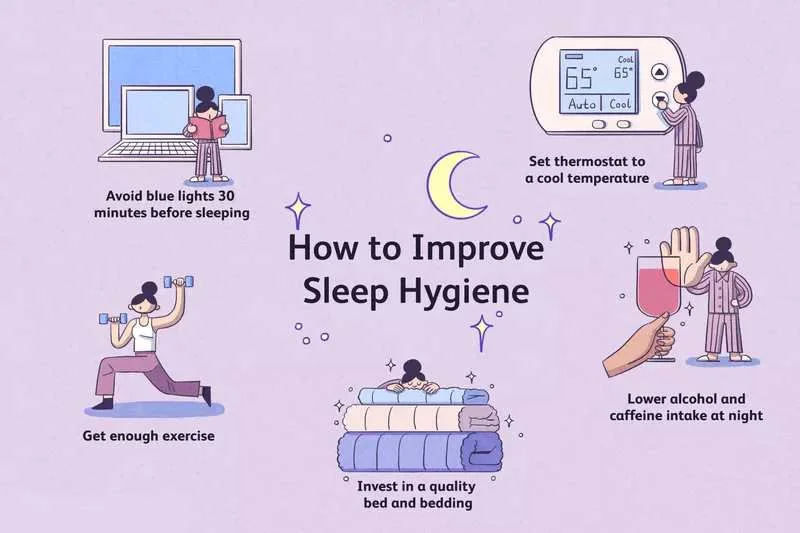
Many don’t realize how much their surroundings influence sleep quality. Noise pollution, bright lights, or even an uncomfortable mattress can disturb your night’s rest more than you might think. The presence of screens emitting blue light and room temperature that’s either too hot or too cold are additional culprits. These environmental disruptors interrupt the natural sleep cycle and make it harder for your brain to transition smoothly into deeper sleep stages.
Lifestyle Habits That Negatively Influence Sleep Patterns
Beyond the environment, lifestyle choices often play a silent role in undermining sleep. Irregular bedtimes, excessive screen time before bed, and late-night snacking can all throw your internal clock off balance. Stress and caffeine consumption late in the day also make it difficult to wind down. Sometimes, it’s the small, repeated habits during the day that slowly chip away at your ability to rest well each night.
Practical Techniques to Enhance Sleep Hygiene
Establishing a Consistent Sleep Schedule
One of the most effective ways to improve sleep hygiene is by going to bed and waking up at the same time every day—even on weekends. This regularity trains your body’s internal clock, helping you fall asleep faster and wake up feeling refreshed. It might be tempting to catch up on sleep after late nights, but consistency often leads to better long-term results.
Creating an Optimal Sleep Environment
Adjusting your bedroom to be a sleep sanctuary can make a noticeable difference. Dim the lights as your bedtime approaches and reduce noise, perhaps by using earplugs or a white noise machine. Investing in a comfortable mattress and bedding suited to your preferences supports physical relaxation. Keeping the room cool and dark also signals your body that it’s time to rest, encouraging deeper, uninterrupted sleep.
Pre-Sleep Routines to Calm the Mind
Preparing your mind before bed is just as important as setting up your room. Engage in calming activities like reading a book, practicing gentle stretches, or listening to soothing music. Avoiding screens or intense mental activities in the hour leading up to sleep can help your brain transition from the day’s busyness to a restful state. These rituals create a cue that it’s time to unwind and can reduce racing thoughts.
Nutrition and Its Role in Sleep Quality
Foods and Drinks That Promote Restful Sleep
What you eat and drink can either support or hinder your sleep. Certain foods, such as those rich in magnesium or tryptophan, are known to encourage relaxation and promote sleepiness. Herbal teas like chamomile or valerian root may also have calming effects. However, it’s important to be mindful of the body’s response to different foods and seek a balance that feels right for you personally.
Timing Meals and Caffeine Intake for Better Sleep
Timing plays a vital role in how nutrition affects sleep. Eating heavy meals too close to bedtime can lead to discomfort and restlessness. Similarly, caffeine intake later in the day can linger in your system and interfere with falling asleep. Aim to finish eating earlier in the evening and limit caffeine to the morning or early afternoon to create favorable conditions for a peaceful night.
Physical Activity and Sleep
Best Exercise Types and Timing for Sleep Improvement
Regular physical activity is often praised for its sleep-enhancing benefits. Aerobic exercises like walking, cycling, or swimming can help reduce sleep onset time and improve overall quality. However, timing matters—intense workouts right before bed might stimulate rather than relax the body. Ideally, exercising earlier in the day allows your body to wind down naturally come nighttime.
How Regular Movement Enhances Mental and Emotional Wellness
Exercise doesn’t only influence sleep; it’s a powerful tool for emotional regulation and mental clarity. Engaging in movement helps release tension, reduce anxiety, and boost mood through the production of endorphins. When combined with quality sleep, physical activity creates a positive cycle that supports both emotional balance and sharper thinking capabilities during waking hours.
Leveraging Technology to Track and Improve Sleep
Sleep Monitoring Apps and Devices
Technology has made it easier than ever to gain insights into sleep patterns. Many apps and wearable devices track not just how long you sleep but also the quality and different stages of your sleep cycle. This information can shine a light on habits that might need adjustment, revealing patterns that are harder to notice otherwise.
Using Behavioral Data to Adjust Sleep Habits
Once you gather sleep data, the key is to use it constructively. Observing trends over time enables you to identify actions or environmental factors that help or hinder your rest. This feedback loop allows for informed tweaks to your routine, promoting habits that align with better sleep outcomes. However, it’s important not to become overly fixated on numbers, as stress around sleep can sometimes backfire.
Emotional and Cognitive Benefits of Improved Sleep Hygiene
Boosting Mental Clarity Through Better Sleep
Consistent, quality sleep creates a foundation for clear thinking and mental sharpness. It supports memory consolidation and problem-solving capabilities, making daily tasks and learning more manageable and efficient. When your mind feels alert and focused, productivity and creativity often follow naturally.
Stabilizing Emotional Health with Consistent Rest
Restorative sleep plays a significant role in emotional regulation. It can help reduce irritability and heighten resilience to stressors, leading to a more balanced mood throughout the day. Over time, prioritizing good sleep hygiene contributes to a stronger emotional baseline, helping you navigate challenges with greater ease.
Long-Term Strategies for Sustained Sleep Health
Building Resilient Habits
Sustaining good sleep hygiene isn’t about quick fixes; it’s about weaving positive habits into daily life. Consistency in routines, mindfulness about the sleep environment, and awareness of lifestyle factors all contribute to resilient sleep health. Embracing these habits gradually helps maintain benefits over the long haul, even during periods of stress or change.
When to Seek Professional Guidance
While many can improve sleep through lifestyle adjustments, there are times when professional support may be needed. Persistent sleep difficulties, especially those affecting mental clarity and emotional balance despite best efforts, might signal underlying concerns. Consulting with a healthcare professional can provide further evaluation and tailored strategies, ensuring sleep health is addressed comprehensively.


