
Understanding Minimalism in a Family Context
What Does Minimalism Mean for Parents?
Minimalism for parents isn’t just about owning fewer things; it’s about creating a life that’s less cluttered, both physically and mentally. It means focusing on what truly matters—quality time, essential belongings, and meaningful experiences. For families, minimalism is less about strict rules and more about intention. Parents often find themselves juggling many responsibilities, so simplifying possessions and routines can bring a surprising sense of calm and control to chaotic days.
Benefits of a Minimalist Lifestyle for Kids
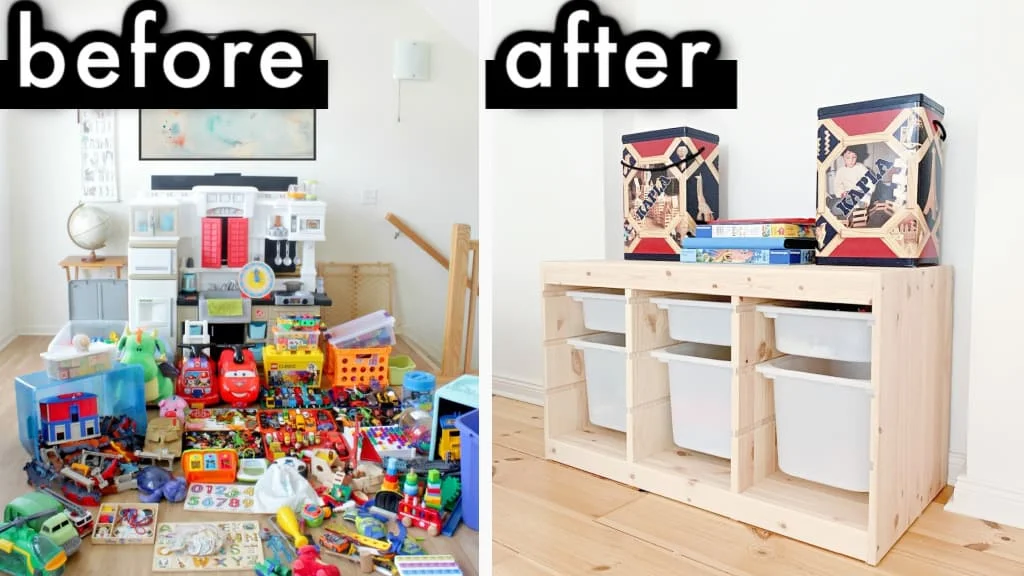
Kids thrive in environments where there’s less distraction and more space for creativity. A minimalist lifestyle helps them develop decision-making skills as they learn to choose thoughtfully what to keep and what to let go. With fewer toys and clothes, children often appreciate what they have more deeply. It also encourages responsibility, as they actively participate in maintaining an orderly space. Beyond physical benefits, minimalism can cultivate gratitude and reduce stress, creating a healthier emotional atmosphere at home.
Decluttering Made Simple with Children
Age-Appropriate Decluttering Techniques
Getting kids involved in decluttering doesn’t have to be intimidating. For younger children, turning the process into a game can be effective—like sorting toys by color or size. Older kids might enjoy challenges such as donating a set number of items each month. The key is to keep expectations realistic and to focus on small, manageable steps rather than overwhelming them. When children see decluttering as a shared task, it builds habits that last.
Teaching Kids to Let Go of Toys and Clothes
Letting go can be tough, especially when it comes to beloved toys or clothes with sentimental value. Encouraging kids to reflect on whether an item still brings joy or is used regularly helps them make mindful choices. Asking questions like, “When was the last time you played with this?” can guide their decision. It’s important to model this behavior yourself—children learn best by watching how adults handle their own belongings.
Creating a Minimalist Home Environment
Organizing Shared Spaces Efficiently
Shared family spaces like the living room or kitchen benefit hugely from thoughtful organization. Using simple storage solutions that children can access easily teaches independence and responsibility. Open shelving for frequently used items or labeled bins for toys helps keep things in order. Aim for clear surfaces and fewer decorative objects to reduce visual clutter, making rooms feel larger and more welcoming for everyone.
Choosing Multi-Purpose and Quality Items
When shopping for family essentials, investing in multi-purpose, durable items is a game changer. Instead of multiple single-use gadgets or gadgets that quickly break, opting for versatile tools reduces clutter and waste. Quality over quantity becomes a helpful mantra. For kids, this might mean a sturdy coat that lasts through seasons or a versatile backpack rather than several specialty bags. Such choices reinforce a minimalist mindset and provide longer-term value.
Involving Kids in Minimalist Habits
Daily Routines That Support Minimalism
Incorporating minimalist habits into daily routines can feel natural once it becomes part of the rhythm. Simple actions, like putting toys away before bed or choosing a limited number of clothes for the week, promote ongoing tidiness. Creating these routines gives children structure and teaches them how small, consistent efforts can sustain a clutter-free environment. Over time, these habits help reduce the stress linked to mess and chaos.
Encouraging Mindful Consumption and Gratitude
Minimalism isn’t only about less stuff; it’s about appreciating what you have. Encouraging kids to think before acquiring new items teaches mindfulness. Talking about needs versus wants and the impact of consumerism helps them develop awareness. Gratitude exercises, such as sharing what they’re thankful for during family time, nurture contentment. This mindset shift often leads to more thoughtful consumption and a deeper appreciation of simple joys.
Minimalism Meets Parenting Challenges
Handling Sentimental Items and Memories
Sentimental items often pose the biggest challenge for minimalist families. Parents naturally want to preserve memories, but keeping too many objects can lead to clutter. Creating special memory boxes or digital photo albums offers a meaningful alternative to storing every keepsake physically. It’s important to be selective and intentional—focusing on preserving stories and feelings rather than the volume of items.
Balancing Minimalism with Children’s Needs and Wants
Parenting requires flexibility, and minimalism doesn’t mean denying children’s needs or occasional desires. The balance comes from setting clear boundaries while allowing room for joy and growth. Sometimes a new toy or book is a valuable addition to a child’s development or happiness. The key is to maintain an overall minimalist principle without becoming rigid, ensuring the family’s well-being comes first.
Practical Resources and Tools for Minimalist Families
Apps and Tools for Organization and Inventory
Modern technology offers fantastic support for families aiming to embrace minimalism. Apps that help inventory toys, clothes, and household items can prevent unnecessary purchases and aid in decluttering. Digital calendars and task managers streamline routines, making it easier to stay on track. Many families find photo storage apps valuable for preserving memories without physical clutter.
Recommended Books and Communities
Finding like-minded communities and insightful books can provide inspiration and practical advice. Books such as “The Minimalist Mom” or “Simplicity Parenting” offer relatable stories and concrete tips. Online forums and social media groups dedicated to minimalist families allow parents to share successes, challenges, and encouragement. These resources can turn minimalism from an abstract idea into a lived, supportive experience.


