
Understanding Habit Consistency: Why It Matters
The Psychology Behind Daily Habits
Habits form the foundation of our daily routines and behaviors, often operating on autopilot without conscious thought. Psychologically, habits develop through repetition and reinforcement, embedding certain actions into our brain’s neural pathways. This process makes it easier to sustain positive behaviors over time. When a habit becomes consistent, it requires less mental effort and decision-making, freeing up cognitive resources for other tasks. Understanding this mechanism is crucial in appreciating why tracking and nurturing habits can lead to long-term success in personal growth and productivity.
Common Challenges in Maintaining Consistency
Despite knowing the benefits, maintaining habit consistency is challenging for many. Factors such as lack of motivation, distractions, unrealistic goal-setting, and inconsistent tracking can derail even the best intentions. The initial enthusiasm tends to wane, leaving individuals vulnerable to lapses. In addition, external stressors and busy schedules often interfere, making it harder to maintain momentum. Recognizing these hurdles early sets the stage for using effective tools and strategies that reinforce habit persistence.
Top Apps for Tracking Daily Habits in 2024
Features to Look for in a Habit Tracker
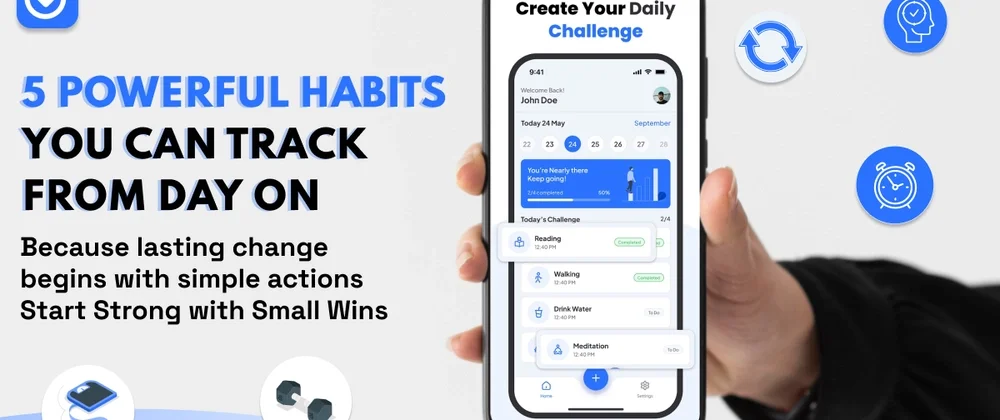
When selecting a habit tracking app, it’s important to consider features that promote ease of use and motivation. Intuitive interfaces encourage frequent logging while visual progress indicators, like streaks or charts, provide tangible feedback that fuels continued effort. Customizable reminders help keep habits top of mind without feeling intrusive. Additionally, syncing across devices and offline functionality enhance accessibility. Some users may also benefit from social sharing options or integration capabilities with other productivity tools.
In-Depth Review: Best Apps for Beginners
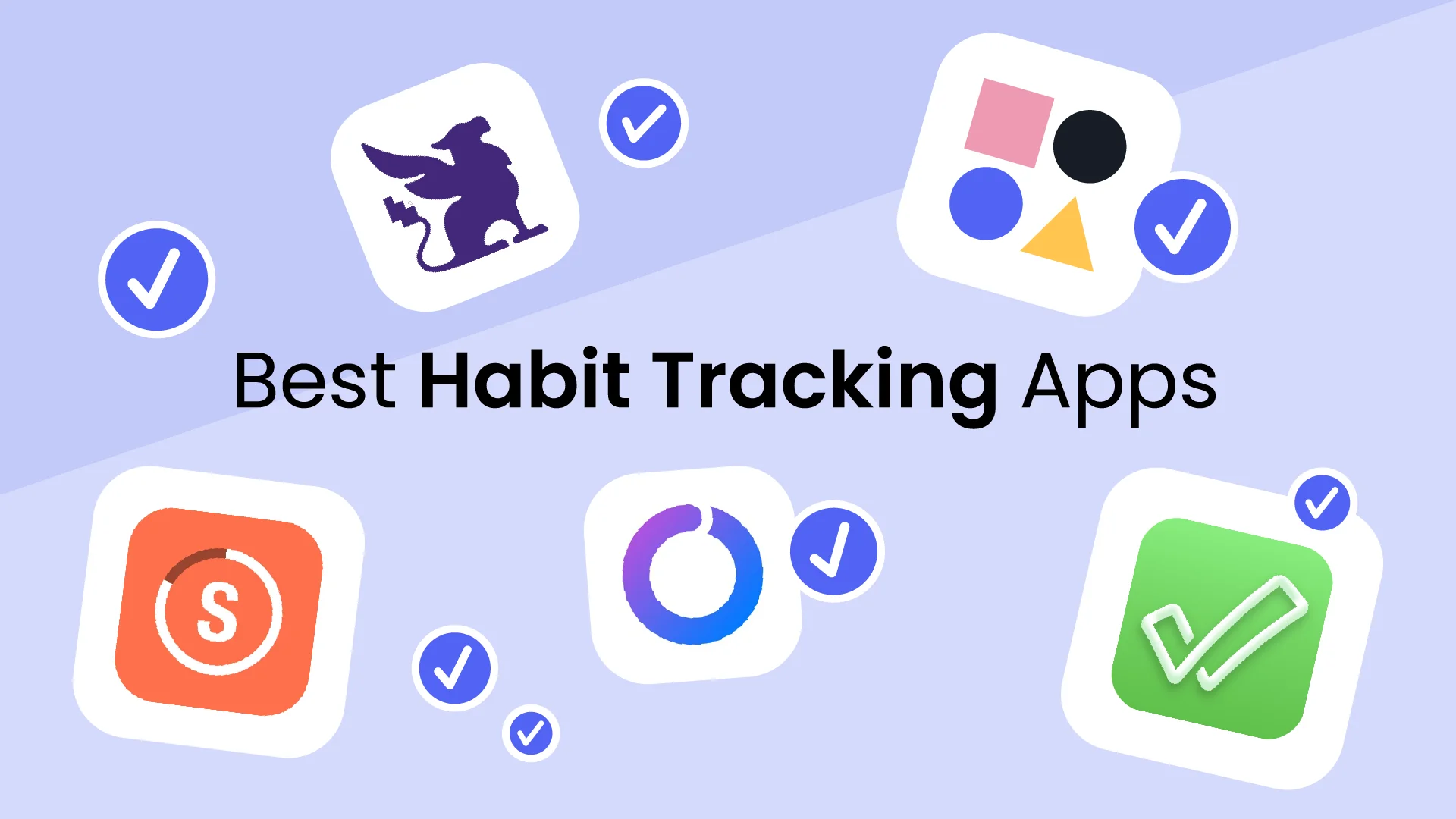
For those new to habit tracking, simplicity is key. Apps like Habitica and Fabulous stand out for their user-friendly design and engaging interfaces. Habitica gamifies habits, turning them into quests, which adds an element of fun and motivation. Fabulous, on the other hand, offers structured habit-building plans with science-backed coaching tips that guide users step-by-step. These apps minimize overwhelm while encouraging consistent usage, making them ideal for beginners seeking a gentle introduction to habit formation.
Best Apps for Advanced Habit Monitoring
More experienced users often require advanced features such as detailed analytics, multiple habit grouping, and integration with health data. Apps like Streaks and Loop fit these criteria well. Streaks allows users to track up to twelve habits simultaneously, supporting complex routines. It provides in-depth statistics to identify patterns and optimize performance. Loop emphasizes data-driven insights and offers flexibility in scheduling repeated or irregular habits. These tools appeal to users who want precise control and comprehensive tracking to refine their habit-building strategies.
Using Technology to Boost Habit Formation
How Reminders and Notifications Help
Reminders and notifications act as gentle nudges that bring habits to your attention at the right moments. Without these prompts, it’s easy to forget or deprioritize new routines amidst a busy day. Regular alerts help establish cues which are essential for habit reinforcement. However, the effectiveness depends on striking a balance—too few reminders might be overlooked, while too many can cause annoyance and burnout. Customized timing and personalized messages usually work best in maintaining engagement and boosting habit consistency.
Integration with Wearables and Other Tools
Wearables such as smartwatches and fitness bands enhance habit tracking by automatically collecting relevant data like steps, sleep quality, or heart rate. When integrated with habit apps, this data provides an objective layer of insight, reducing manual input and increasing accuracy. Moreover, syncing with calendars, to-do lists, or health platforms creates a cohesive ecosystem that supports holistic habit management. This interconnected approach makes it easier to monitor progress and stay accountable across various aspects of daily life.
Creative Tools Beyond Apps to Increase Habit Consistency
Journals and Planner Systems
While digital tools dominate, traditional methods like journals and planners remain powerful for habit consistency. Writing by hand can enhance memory and reflection, providing a tactile connection to goals. Using habit-specific journals or bullet journals encourages mindful tracking and allows personalization in noting emotions, challenges, or breakthroughs. Daily or weekly reviews within a planner promote accountability and create space for fine-tuning approaches, complementing the benefits of habit apps.
Accountability Communities and Social Platforms
Human connection plays a vital role in sustaining habits. Joining online groups or local communities centered around habit-building offers encouragement, shared experiences, and peer accountability. Platforms like Reddit’s habit subs or dedicated Facebook groups facilitate discussions, challenges, and celebrations of milestones. The social element often motivates persistence by reducing feelings of isolation and creating a sense of belonging. Additionally, accountability partners can provide timely reminders and emotional support, significantly boosting habit consistency.
Maximizing Results: Tips for Choosing and Using Habit Tools
Customizing Your Tracking System
One size does not fit all when it comes to habit tracking. Tailoring tools to fit personal preferences and lifestyle increases the likelihood of continued use. This might involve selecting an app that aligns with your goal complexity or adding custom labels and categories for better organization. Experimenting with notification styles or timing can fine-tune responsiveness. The key is to create an intuitive, enjoyable system that integrates naturally into daily routines rather than becoming a burdensome task.
Balancing Digital and Analog Methods
Combining digital apps with analog methods often yields the best outcomes. While apps offer convenience, automation, and data analytics, analog techniques foster mindfulness and creativity. For example, using an app for quick logging paired with a journal for deeper reflection can enhance understanding and motivation. Striking this balance also reduces screen fatigue and allows flexibility depending on context, such as journaling in the evening or using apps during busy days. Embracing both approaches supports sustainable habit consistency and personal growth.


