
Understanding Scalp Exfoliation: The Basics
What is Scalp Exfoliation?
Scalp exfoliation is the process of removing dead skin cells, excess oil, and product buildup from the scalp’s surface. Similar to facial exfoliation, it promotes a clean, healthy environment for hair follicles. Using natural ingredients helps gently slough off impurities without causing irritation.
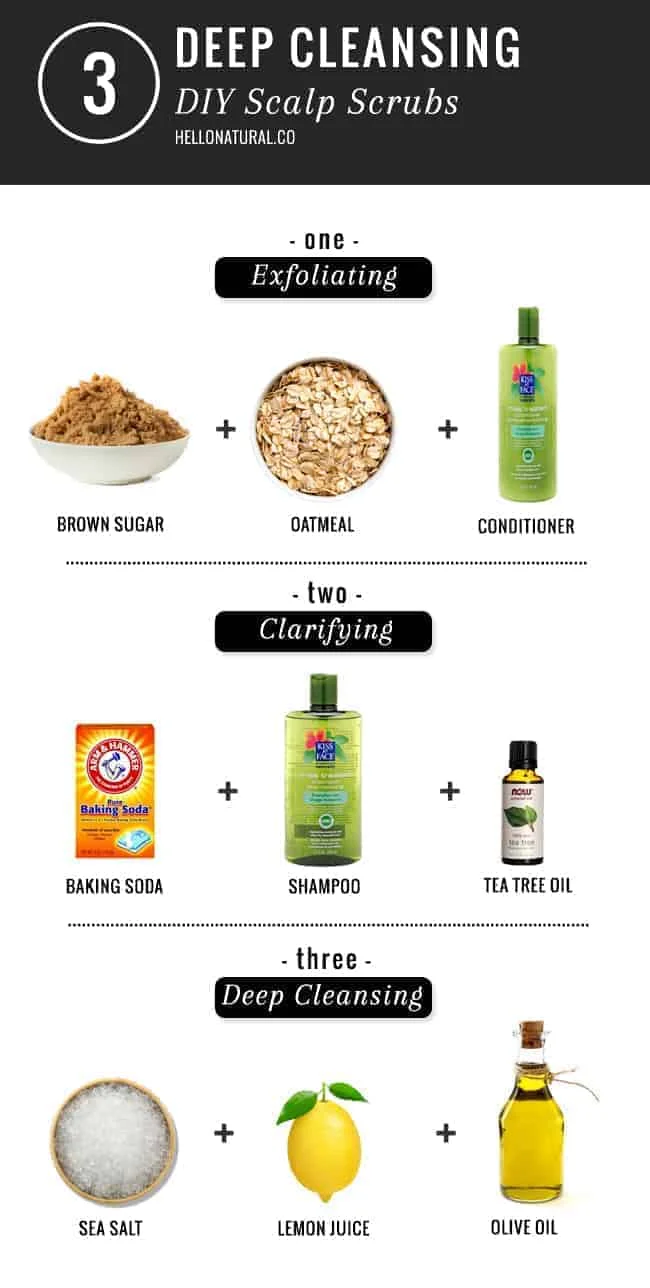
Benefits of Regular Scalp Exfoliation
Consistently exfoliating the scalp can reduce flakiness and prevent clogged pores that might hinder hair growth. It stimulates blood circulation, which nourishes hair follicles and encourages stronger, thicker hair. Regular exfoliation also balances scalp oil production, leading to less discomfort and healthier hair overall.
Common Causes of Scalp Flakiness and Hair Growth Issues
Dandruff vs. Dry Scalp: Key Differences
Flakiness on the scalp often results from either dandruff or dryness, but these conditions have distinct causes and treatments. Dandruff is typically linked to fungal overgrowth and causes oily, large flakes. Dry scalp results from insufficient moisture, producing smaller, dry flakes. Differentiating between the two helps select the right exfoliation approach.
Impact of Poor Scalp Health on Hair Growth
An unhealthy scalp can disrupt the hair growth cycle. Excess dead skin blocks follicles, and inflammation reduces nutrient delivery. This can lead to thinning hair and slower growth. Maintaining scalp hygiene and health is crucial for maintaining vibrant, resilient hair.
Top DIY Natural Ingredients for Scalp Exfoliation
Exfoliating Powders: Sugar, Salt, and Coffee Grounds
Sugar provides a gentle, effective exfoliation that dissolves in water, making it safe for sensitive scalps. Salt offers stronger abrasion, best suited for oily scalps with stubborn buildup. Coffee grounds stimulate circulation and add a pleasant aroma while exfoliating. Choosing the right exfoliant depends on scalp needs and sensitivity.
Soothing Additives: Aloe Vera, Honey, and Tea Tree Oil
To calm and enhance the exfoliation, soothing ingredients are essential. Aloe vera hydrates and reduces redness. Honey acts as a natural humectant and antimicrobial, preventing irritation. Tea tree oil provides antifungal benefits, especially helpful for dandruff-prone scalps. Combining these additives boosts scalp health beyond just exfoliation.
Step-by-Step Guide to DIY Scalp Exfoliation
Preparing Your Natural Scalp Scrub
Start by mixing exfoliating powders like sugar or coffee grounds with soothing elements such as aloe vera gel or honey. Add a few drops of tea tree oil if dandruff is a concern. The mixture should have a paste-like consistency, easy to spread but not runny.
Application Techniques for Maximum Effectiveness
Apply the scrub to a damp scalp using fingertips. Massage gently in small circular motions to avoid irritation. Focus on areas prone to buildup but cover the entire scalp evenly. Limit the massage to 3–5 minutes to prevent over-exfoliation.
Post-Exfoliation Hair Care Tips
Rinse thoroughly with lukewarm water and follow with a mild shampoo to remove residual scrub. Apply a lightweight conditioner to maintain scalp moisture. Avoid heavy styling products immediately after exfoliation to keep pores clear.
Precautions and When to Avoid Scalp Exfoliation
Signs of Scalp Sensitivity and Irritation
Excessive redness, itching, or burning during or after exfoliation indicate scalp sensitivity. In such cases, reduce exfoliation frequency or switch to gentler ingredients. Never exfoliate on broken skin or open wounds, as this can worsen irritation.
Consulting a Dermatologist Before Trying DIY Methods
If scalp issues persist despite at-home care or you experience severe flaking and discomfort, seek professional advice. A dermatologist can diagnose underlying conditions and recommend targeted treatments beyond natural exfoliation.
Long-Term Scalp Care Routines to Maintain Results
Integrating Exfoliation with Shampooing and Conditioning
Incorporate scalp exfoliation once every one to two weeks into your hair wash routine. Use gentle shampoos and conditioners suited to your scalp type. This balanced approach keeps the scalp clean without stripping essential oils.
Diet, Hydration, and Lifestyle Factors for Healthy Scalp and Hair
Good scalp health reflects overall wellness. Drink plenty of water and eat a balanced diet rich in vitamins and minerals, especially those supporting hair such as biotin and zinc. Manage stress and ensure adequate sleep, as these impact scalp condition and hair growth.


