
Introduction to Morning Movement for Busy Professionals
Why a 10-Minute Routine Can Change Your Day
Starting your day with a brief movement routine can set a positive tone for everything that follows. Busy professionals often struggle to find time for exercise, but dedicating just 10 minutes each morning can unlock numerous benefits. This short routine can increase alertness, improve mood, and enhance mental clarity, giving you the edge needed to tackle a hectic day with confidence and energy. By committing to these few minutes, you create a daily habit that supports both physical health and productivity.

The Science Behind Morning Exercise and Productivity
Research shows that engaging in physical activity shortly after waking up stimulates the brain and jump-starts your metabolism. Exercise boosts the release of endorphins and neurotransmitters like dopamine and serotonin, which contribute to a heightened sense of well-being and focus. Furthermore, morning movement has been linked to better cognitive function throughout the day, helping you stay sharp in meetings and manage stress more effectively. Understanding these scientific benefits makes it clear why a morning routine is not just about fitness but about enhancing overall life quality.
Assessing Your Current Morning Habits
Identifying Barriers to Morning Movement
Before designing a routine, it’s crucial to reflect on your existing habits. Many professionals face challenges such as hitting the snooze button, feeling rushed to prepare for work, or simply lacking motivation in the early hours. Identifying these barriers honestly helps in crafting a routine that fits your lifestyle rather than forcing a one-size-fits-all solution. Consider factors like your wake-up time, energy levels right after rising, and the typical demands of your morning. This self-assessment will inform how to tailor your movement routine effectively.
Setting Realistic Goals for a Quick Routine
With only 10 minutes available, setting achievable targets becomes essential. Instead of aiming for complex workout sessions or high-impact exercises that might feel overwhelming, start with manageable movements that energize rather than exhaust. Realistic goals might include increasing flexibility, activating major muscle groups, or simply establishing the habit of consistent movement. By focusing on small wins, you encourage consistency and reduce the risk of early burnout or discouragement.
Designing Your Personalized 10-Minute Morning Movement
Warm-Up Techniques to Prepare Your Body
A proper warm-up is key to preventing injury and making your short routine effective. Spend the first couple of minutes doing gentle dynamic movements such as arm circles, leg swings, or neck rolls. These exercises increase blood flow to muscles and prepare your joints for activity. The warm-up need not be intense but should wake up your body gently, signaling it to transition out of sleep mode.
Core Exercises to Boost Energy and Flexibility
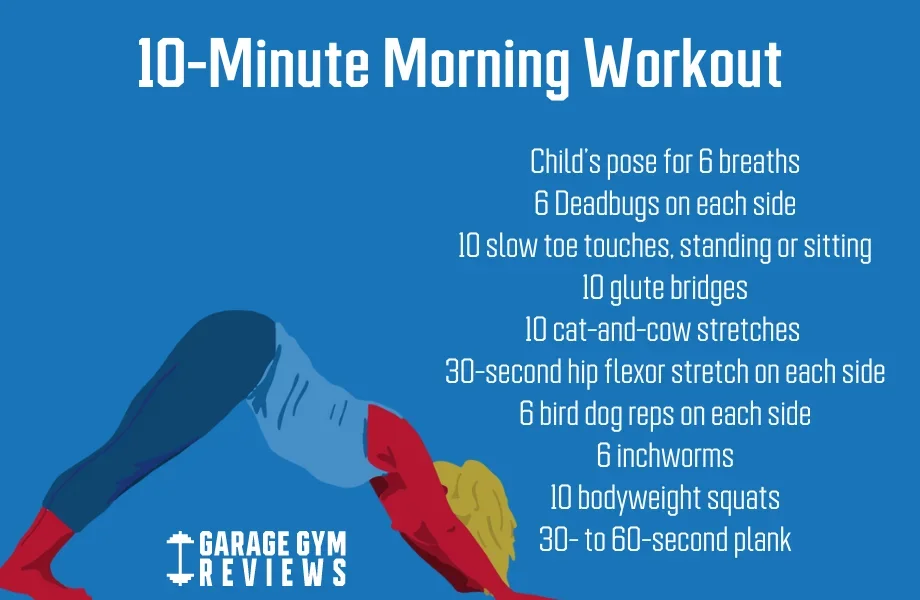
Once warmed up, focus on core exercises that engage multiple muscle groups and promote flexibility. Movements like bodyweight squats, lunges, and push-ups are excellent choices as they elevate heart rate and strengthen muscles. Incorporate exercises that foster mobility, such as cat-cow stretches or spinal twists, to enhance flexibility and reduce stiffness. Choose exercises that you enjoy and can perform comfortably, which will increase the likelihood of sticking with the routine.
Incorporating Stretching and Cool-Down
Ending your routine with a brief cool-down is just as important as starting with a warm-up. Gentle stretching promotes muscle relaxation and helps maintain range of motion. Focus on areas that tend to be tight, such as the shoulders, hamstrings, and lower back. This step not only aids recovery but also creates a calming effect that can help you transition smoothly into your workday.
Tools and Space: Preparing Your Environment
Minimal Equipment Options for Busy Schedules
One of the advantages of a short morning routine is that it can be done with little to no equipment. However, adding simple tools can enhance the experience without complicating the process. Items such as resistance bands, a yoga mat, or even a small set of dumbbells can be stored easily and used effectively. These tools increase exercise variety and may provide added motivation by making the routine feel more specialized and intentional.
Optimizing Small Spaces for Easy Movement
Many busy professionals have limited space at home, but a 10-minute routine can be adapted to fit even the smallest areas. Clear a corner in your bedroom or living room where you can stretch and move freely. Rearranging furniture slightly or dedicating a mat area can create an inviting spot for your routine. Optimizing your space reduces friction and excuses, ensuring that your environment supports rather than hinders your movement habit.
Integrating the Routine into Your Daily Schedule
Tips for Building Consistency Amidst Busy Mornings
Consistency is the most challenging aspect of any new habit, especially for busy individuals. To build a steady routine, consider linking your morning movement to a pre-existing habit, such as brushing your teeth or drinking a glass of water. Setting reminders on your phone or calendar can also provide gentle prompts. Importantly, be flexible and forgiving—some days might not go as planned, and that’s okay. The goal is regularity over perfection.
How to Track Progress Without Extra Stress
Tracking can boost motivation but should be simple to avoid adding burden. Use a habit tracker app or a basic journal to note each day you complete your routine. Observing your progress over weeks helps reinforce commitment and reveals patterns that may need adjustment. Avoid turning tracking into a chore; keep it light and focused on encouragement, not pressure.
Common Challenges and How to Overcome Them
Dealing with Low Motivation
Low motivation is a common stumbling block, especially during early mornings. When enthusiasm wanes, revisit your reasons for starting the routine—whether it’s improving energy, reducing stress, or enhancing performance at work. Mixing up exercises, allowing yourself rest days, or partnering with a friend can also reinvigorate your commitment. Remember that motivation often follows action; beginning the routine, even sluggishly, usually leads to a positive momentum.
Adjusting the Routine for Travel and Business Trips
Traveling can disrupt morning habits, but with some planning, you can maintain your movement routine. Focus on bodyweight exercises that require no equipment and fit the hotel room space. Pack resistance bands or a travel yoga mat for added options. Adapting the duration or intensity based on your schedule helps preserve the habit without causing stress. Flexibility during travel ensures continuity while respecting changing environments.
Conclusion
Recap of Benefits and Encouragement to Start Today
Building a 10-minute morning movement routine is a powerful strategy for busy professionals seeking to boost energy, improve focus, and enhance well-being. By understanding the importance of morning exercise, assessing personal habits, creating a manageable routine, and preparing your environment, you lay the foundation for lasting success. Despite challenges, consistent effort pays off with increased vitality and productivity. Take the first step today—your body and mind will thank you.


