
Understanding the Basics of a Full-Body Home Workout
Definition and Importance
A full-body home workout involves exercises that engage all major muscle groups in a single session, allowing for balanced development and efficient use of time. This approach is especially valuable for individuals who have limited time to exercise or prefer to work out outside of a traditional gym setting. By focusing on the entire body, you ensure that no muscle group is neglected, which contributes to overall strength, improved posture, and better functional fitness.
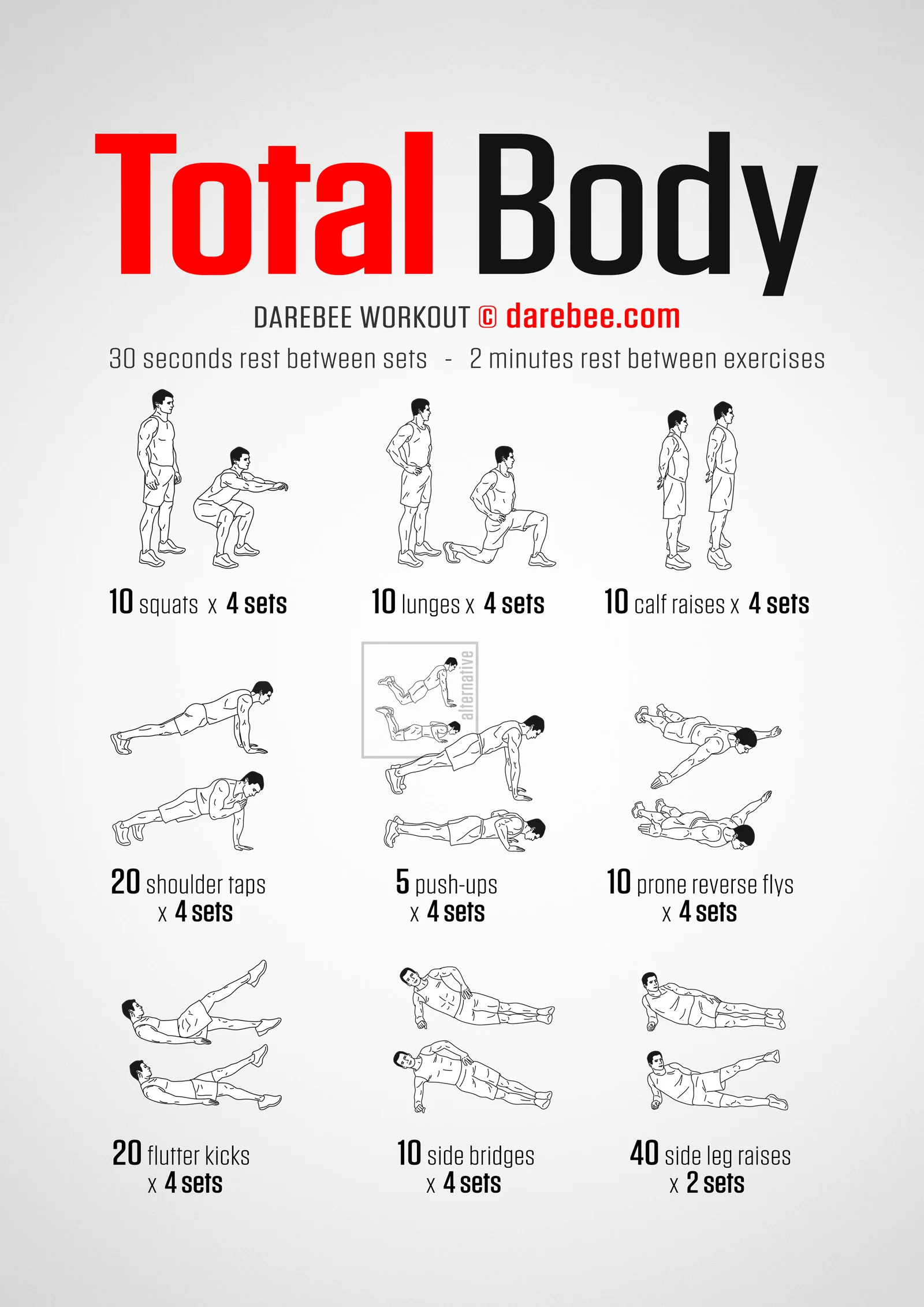
Incorporating a full-body routine at home not only supports physical health but also promotes mental well-being through increased endorphin release. Understanding this foundation is the first step towards building an effective workout that fits your lifestyle and goals.
Benefits of Minimal Equipment Training
Training with minimal equipment offers significant advantages, especially when working out at home. First, it removes barriers like expensive gym memberships or the need for large amounts of space. Using simple tools or just your body weight ensures accessibility and flexibility, making it easier to stay consistent.
Moreover, workouts with minimal gear often translate well to real-life movements, improving your functional strength. They also promote creativity, encouraging you to use your surroundings effectively and explore various exercise variations. Ultimately, minimal equipment training makes physical fitness approachable for everyone, regardless of budget or experience level.
Essential Equipment for a Home Workout
Choosing Versatile Tools
When selecting equipment for your home workout, versatility should be your guiding principle. The goal is to pick tools that allow you to perform a wide range of movements targeting different muscle groups. Resistance bands, for instance, are excellent because they come in various resistance levels and can be used for strength, mobility, and stretching exercises.
Dumbbells offer another layer of variety, enabling you to add load progressively and work on specific muscle groups with more intensity. A jump rope can also be a fantastic inclusion for cardio, coordination, and endurance training, all within a compact form factor.
Budget-Friendly Equipment Options
You don’t need to spend a fortune to set up an effective home gym. Many affordable options can still provide excellent workout opportunities. Resistance bands are among the most cost-effective, often available in sets that cover a range of resistance levels.
Bodyweight exercises require no equipment at all and can be incredibly challenging when structured properly. For those willing to invest a bit more, adjustable dumbbells offer space-saving benefits since you can change weights as needed. Another inexpensive option is a sturdy exercise mat, which enhances comfort and safety during floor-based movements.
Designing Your Full-Body Routine
Targeting Major Muscle Groups
A well-rounded routine must address all primary muscle groups, including legs, back, chest, shoulders, arms, and core. This ensures balanced strength and reduces the risk of injury by preventing muscle imbalances. Begin by incorporating compound movements, which engage multiple muscle groups simultaneously, such as squats, push-ups, and rows.
Following compound lifts, you can add isolation exercises to focus on specific areas needing more attention. For example, bicep curls or tricep dips help complement the overall workout balance. It’s important to arrange exercises thoughtfully to maintain proper form and avoid fatigue that could compromise technique.
Balancing Strength, Cardio, and Flexibility
To optimize your fitness, your routine should blend strength training with cardiovascular work and flexibility exercises. Strength training builds muscle and improves metabolism, while cardio enhances heart health and endurance. Flexibility activities like stretching or yoga improve range of motion and reduce muscle tightness.
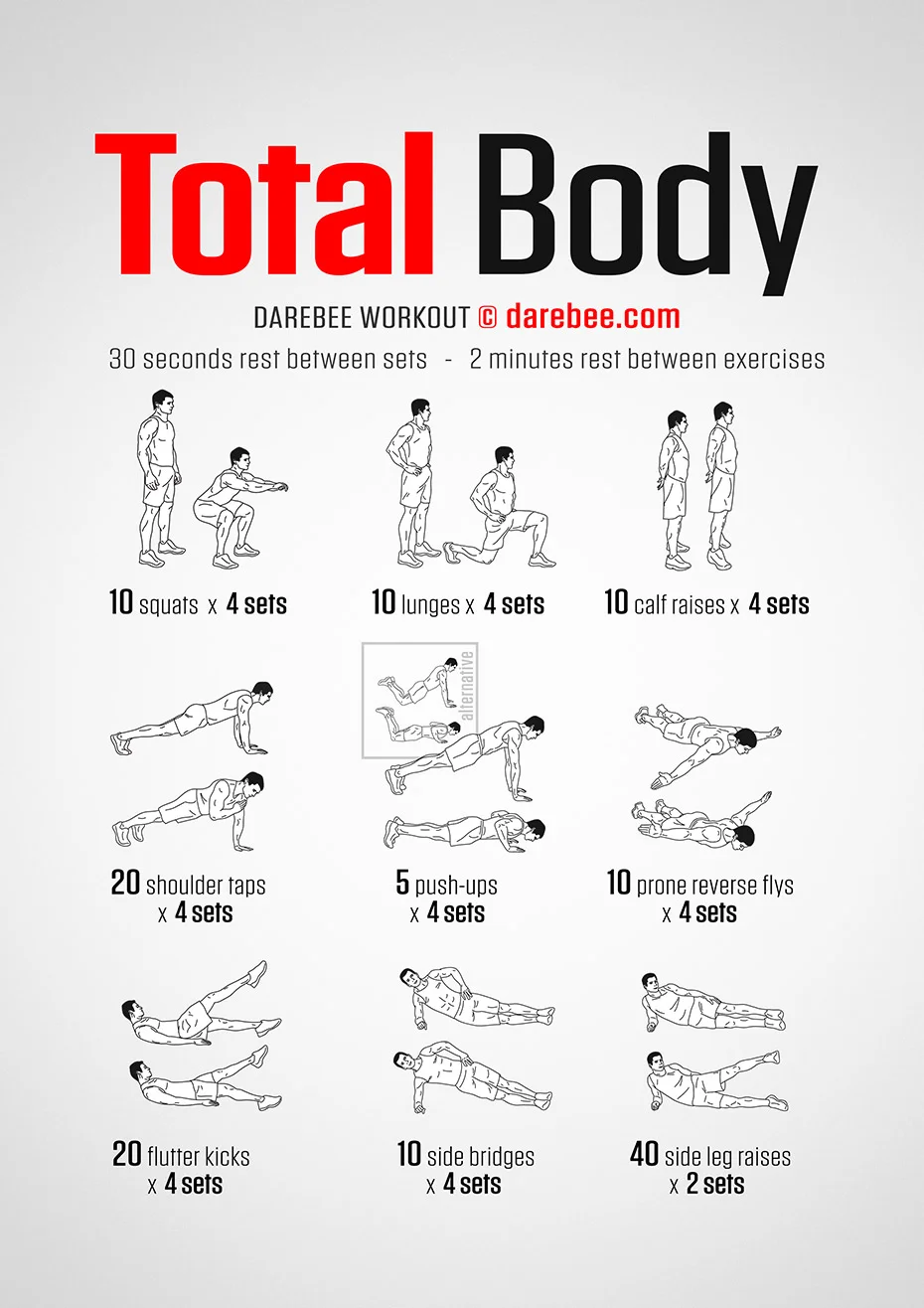
One practical approach is to alternate between strength circuits and short cardio bursts, maintaining an elevated heart rate without sacrificing form. At the end of each workout session, dedicate time to controlled stretching or mobility drills. This combination fosters a comprehensive fitness level and aids recovery.
Sample Workout Plans for Beginners and Advanced Levels
Beginner Routine with Bodyweight and Resistance Bands
For those new to exercise, starting with bodyweight movements and resistance bands is ideal. Begin with exercises such as squats, wall push-ups, and glute bridges to build foundational strength without risking injury. Incorporate resistance band rows and band-resisted leg lifts to add gentle external resistance.
Structure the workout with a warm-up, followed by 2-3 sets of 8-12 repetitions for each exercise. Finish with light cardio like marching in place or stepping side to side, and cool down with gentle stretches to prevent stiffness. This routine gradually strengthens your body and enhances coordination.
Intermediate to Advanced Routine Incorporating Dumbbells
Once comfortable with the basics, adding dumbbells can increase intensity and muscle engagement. Incorporate exercises such as dumbbell deadlifts, bent-over rows, overhead presses, and weighted lunges. These movements challenge multiple muscle groups and promote strength gains.
An effective workout plan may include supersets to keep the heart rate elevated, pairing a lower-body exercise with an upper-body one. For instance, one set of dumbbell squats followed immediately by push-ups encourages muscular endurance. Including 15-20 minutes of high-intensity interval training (HIIT) after strength training can further improve cardiovascular fitness.
Tips for Maximizing Effectiveness and Consistency
Tracking Progress and Adjusting Intensity
Keeping track of your workouts is crucial to identify progress and stay motivated. Use a notebook or an app to record exercises, reps, sets, and resistance levels. Reviewing this data regularly helps you recognize when to increase intensity by adding more repetitions, sets, or weight.
Adjusting your routine progressively prevents plateaus and maintains continuous improvement. However, listen to your body; gradual increases are safer and more sustainable than pushing too hard too fast. This attentive approach ensures that your efforts translate into tangible fitness gains over time.
Creating a Motivating Home Workout Environment
The right environment greatly influences your willingness to exercise consistently. Find a dedicated space free from distractions, with good lighting and adequate ventilation. Keeping your equipment organized and accessible removes barriers to getting started.
Adding elements like motivational quotes, a playlist of your favorite music, or even setting a specific workout schedule fosters a positive mindset. When your workout space feels inviting, it’s easier to build a reliable fitness habit and maintain enthusiasm.
Common Mistakes to Avoid When Working Out at Home
Improper Form and Injury Prevention
One of the most frequent mistakes is neglecting proper form, often due to the absence of a trainer or mirror feedback. Incorrect technique can lead to injuries and reduce the effectiveness of exercises. To avoid this, start slowly and consider using instructional videos or apps that offer clear demonstrations.
Pay attention to core engagement, joint alignment, and controlled movements. If unsure, film yourself or ask a knowledgeable friend to provide feedback. Prioritizing form ensures safe workouts and helps you get the most benefit from each session.
Overtraining and Recovery Strategies
Another common pitfall is overtraining, especially when motivated individuals attempt to do too much too soon. Exercising intensely without adequate rest can cause fatigue, soreness, and increase injury risk.
Incorporate rest days strategically and listen to your body’s signals. Recovery techniques such as gentle stretching, foam rolling, and sufficient sleep are essential components of a successful workout routine. Remember, progress is made not only in the gym but also during recovery periods.


