
Understanding the Importance of a Morning Routine
The Science Behind Morning Productivity
Mornings set the tone for the entire day. Studies suggest that a well-structured morning routine can improve focus, increase motivation, and enhance emotional resilience. Our brain tends to be more alert after waking, making it an ideal period to engage in tasks that require concentration and creativity. Establishing consistent habits during this time can reinforce positive behaviors and create momentum for the hours ahead.
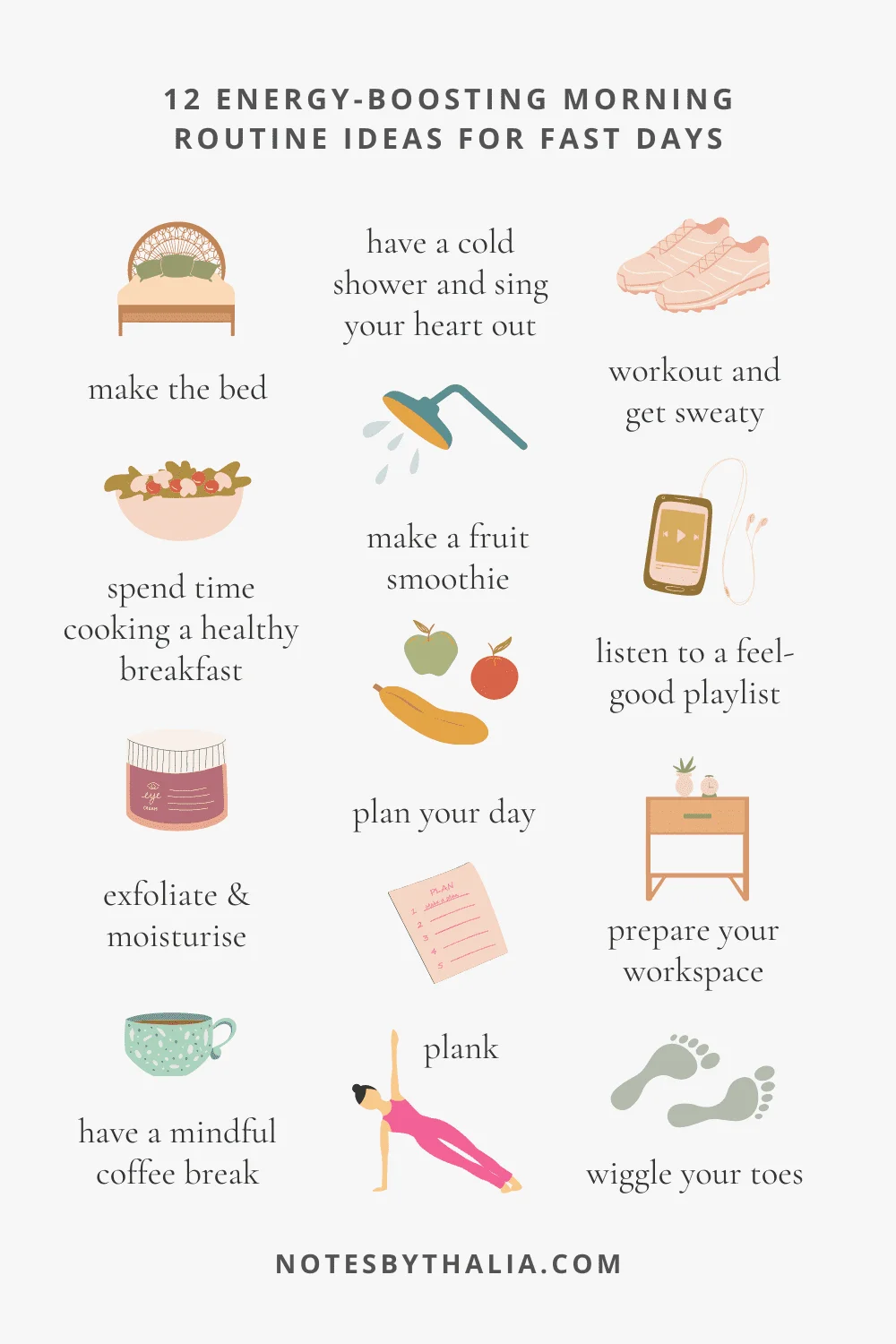
Common Challenges When Starting a Routine
Many struggle to maintain a morning routine due to unrealistic expectations and lack of preparation. The temptation to stay in bed or dive straight into digital distractions can undermine intentions. Additionally, sudden changes to sleep patterns or overwhelming lists of tasks can make mornings stressful rather than productive. Recognizing these barriers early is crucial to designing a routine that feels sustainable.
Steps to Designing Your Personalized Morning Routine
Assessing Your Current Habits
Begin by observing how you currently spend your mornings. Identify habits that energize you and those that drain your motivation. Awareness of your natural patterns helps in crafting a routine that fits rather than fights your lifestyle. Whether you are a morning person or not can influence what activities you include and when.
Setting Realistic and Achievable Goals
Focus on small, attainable goals. Instead of overhauling your entire morning, start with one or two changes that add value. Setting manageable targets reduces the chance of burnout and fosters a sense of accomplishment, encouraging continued commitment.
Choosing Activities That Energize You
Select activities that genuinely make you feel refreshed and ready. This might be light stretching, a quiet moment of reflection, or reading a few pages of a book. The goal is to stimulate your mind and body gently without forcing a rigid schedule that feels unnatural.
Balancing Productivity and Comfort
Incorporating Mindfulness Practices
Integrating mindfulness can alleviate stress and increase clarity. Simple steps like deep breathing or brief meditation can center your thoughts. This balance between action and calmness creates a productive yet comfortable start to the day.
Strategies to Avoid Feeling Overwhelmed
Keep your routine flexible to accommodate changes. Avoid cramming too many tasks in the morning and prioritize what matters most. It’s helpful to prepare the night before—laying out clothes or planning breakfast—to reduce decision fatigue. Remember, a routine should support you, not become a source of stress.
Morning Routine Examples for Different Lifestyles
For Busy Professionals
Professionals often benefit from routines that combine efficiency with focus enhancers. A typical morning might begin with hydration, a brief exercise or stretch, followed by setting daily priorities. Allocating a moment for journaling or reviewing goals can sharpen mental clarity before work begins.
For Parents
Parents juggle many tasks, so a flexible routine is key. Starting with organizing essentials like meals and clothing sets the day up smoothly. Including quick self-care moments, even for just a few minutes, can maintain balance amidst demands. Collaborating with family members to share morning responsibilities can ease pressure.
For Students
Students can create routines that boost learning readiness. Beginning with a nutritious snack, light physical activity, and reviewing study plans helps activate the brain. Allocating time for setting intentions or calming techniques can improve focus during classes or study sessions.
Tips for Maintaining Consistency and Motivation
Tracking Progress Without Pressure
Regularly noting small wins can reinforce progress without fostering guilt for slips. Simple check-ins help maintain awareness and encourage adjustments when needed. Avoid rigid tracking methods that may feel burdensome.
Adjusting Your Routine As Needed
Life changes, and so should your routine. Reflect on what works and what does not, making gradual tweaks rather than drastic shifts. Staying adaptable ensures your morning routine remains relevant and supportive.
When and How to Revamp Your Morning Routine
Signs Your Routine Needs a Change
If mornings begin to feel rushed, stressful, or unproductive, it may be time to reconsider your approach. Fatigue, lack of motivation, or frequent skipping of activities also signal room for improvement.
Steps to Innovate Without Stress
Introduce changes slowly and thoughtfully. Prioritize one aspect to adjust and observe the impact before adding more. This measured approach minimizes overwhelm and fosters lasting improvement.


