
Understanding the Importance of an Evening Ritual
The Science Behind Stress and Sleep
Stress is one of the main obstacles standing between us and a restful night’s sleep. When stress levels rise, our bodies release cortisol, a hormone that keeps us alert and awake. This biological response, while useful during the day, can interfere with falling and staying asleep at night. Understanding this connection helps explain why managing stress before bedtime is crucial for better sleep.
How Evening Habits Influence Relaxation
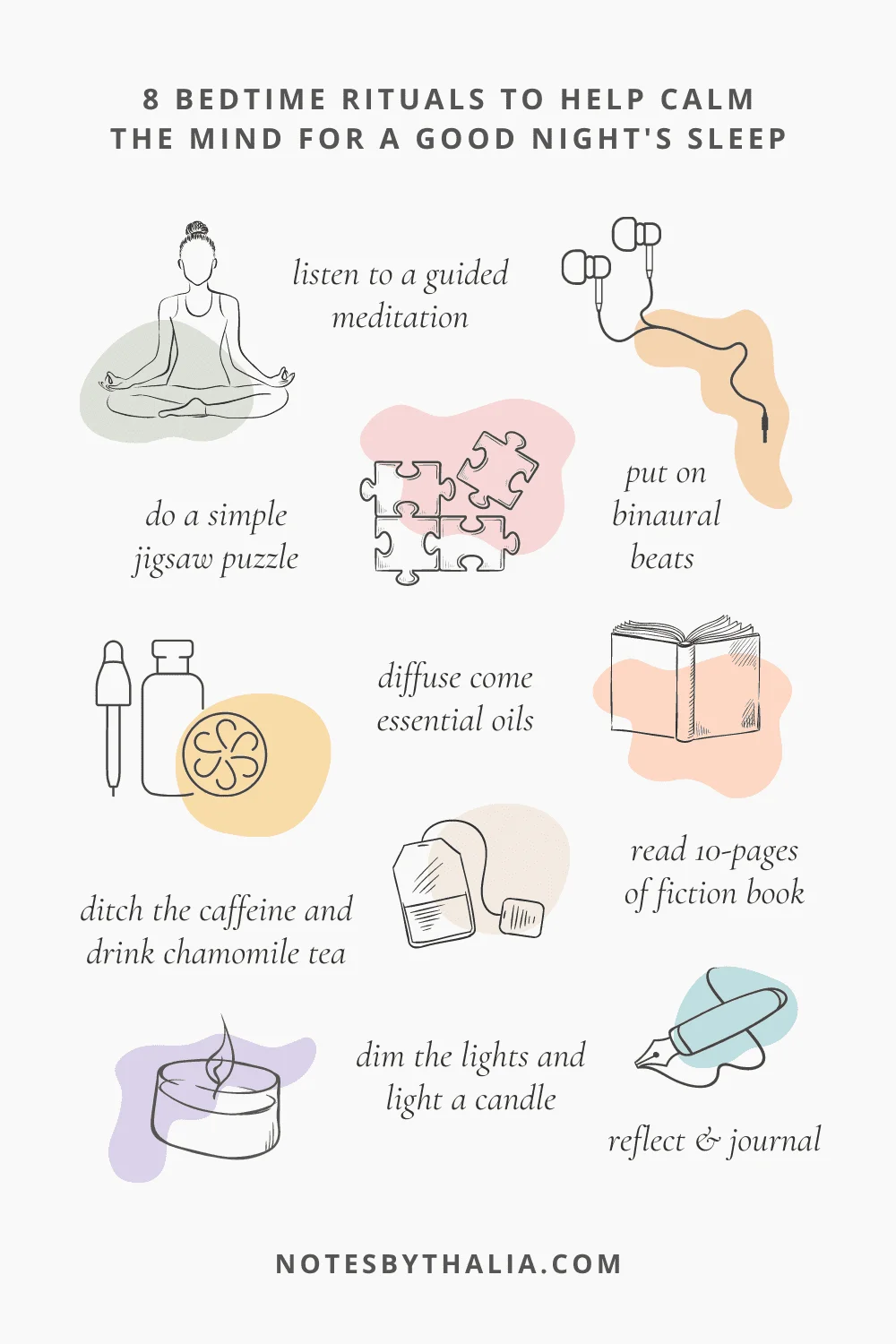
Evening habits form the bridge between the busy day and a peaceful night. What we do in the final hours before sleep can either wind us down or ramp us up. Simple actions—like dimming the lights, enjoying a calming activity, or turning off devices—can foster relaxation. When these habits become routine, they tell the brain it’s time to shift gears and prepare for rest.
Step-by-Step Guide to Creating Your Personalized Ritual
Assessing Your Current Evening Routine
Before making changes, it’s helpful to observe your existing evening routine. Take note of activities that might unintentionally increase stress or delay sleep, such as checking emails late at night or consuming caffeine too close to bedtime. Understanding what’s working and what isn’t lays the groundwork for building a more mindful ritual.
Choosing Activities That Promote Calmness
Calming activities can vary widely depending on personal preferences. Some find reading a physical book soothing, while others prefer gentle stretches or listening to soft music. The key is to engage in something that helps to lower your heart rate and quiet racing thoughts. Experiment with different calming practices until you discover what resonates most.
Setting a Consistent Bedtime Schedule
Consistency is one of the most powerful tools for improving sleep quality. Going to bed and waking up at the same time each day trains your body’s internal clock. This predictability encourages the natural ebb and flow of sleep hormones and reduces the frustration that can come with irregular schedules.
Incorporating Mindfulness and Relaxation Techniques
Breathing Exercises to Reduce Anxiety
Deep, intentional breathing can help counteract anxiety by triggering the body’s relaxation response. Techniques like slow diaphragmatic breathing or the 4-7-8 method encourage calmness and ease tension. Taking just a few minutes of focused breathing before bed can make a noticeable difference in how quickly your mind settles.
Guided Meditation for Better Sleep
Guided meditation offers a gentle way to transition into restfulness. There are countless resources available that walk you through visualizations or progressive muscle relaxation, which encourage letting go of daily worries. Practicing meditation regularly can train your mind to recognize when it’s time to slow down.
Optimizing Your Environment for Restful Sleep
Lighting and Sound Considerations
The environment where you sleep plays a huge role in how effortlessly you drift off. Exposure to bright or blue light before bed can disrupt melatonin production, the hormone responsible for sleep regulation. Soft, warm lighting and minimizing noise disturbances create a sanctuary conducive to rest.
The Role of Aromatherapy in Evening Relaxation
Aromatherapy using essential oils like lavender or chamomile has long been associated with relaxation. While personal reactions vary, many find that gentle scents help create a soothing atmosphere. Incorporating aromatherapy into your evening ritual can be as simple as using a diffuser or adding a few drops to a pillow.
Technology and Evening Rituals: Finding the Right Balance
Limiting Screen Time Before Bed
Screens emit light that signals the brain to stay alert, which is counterproductive to winding down. Reducing exposure to phones, tablets, and TVs at least an hour before bedtime helps support your body’s natural rhythms. Instead, consider swapping screen time for low-stimulation activities that encourage ease.
Apps and Devices That Can Help You Relax
Ironically, technology can also assist with relaxation when used thoughtfully. Apps designed for sleep sounds, guided meditations, or calming music can be valuable tools when integrated mindfully into your routine. The key is to choose ones without stimulating content and to avoid prolonged screen exposure.
Tracking Your Progress and Making Adjustments
Journaling Your Evening Routine Experiences
Keeping a journal dedicated to your new evening ritual can shed light on what’s helping and what might need tweaking. Reflecting on how different activities affect your relaxation and sleep quality encourages a more intentional approach and fosters self-awareness.
Identifying What Works and What Doesn’t
Building a stress-reducing evening ritual is a dynamic process. Some strategies may resonate immediately; others might take time or require adjustment. Being patient and flexible allows you to tailor your ritual to fit your lifestyle and needs, ultimately promoting more restful and restorative nights.


