
Understanding the Importance of a Balanced Breakfast Bowl
Why Morning Nutrition Matters
Starting the day with a nutritious breakfast bowl sets the tone for your energy levels and overall well-being. Many people skip breakfast or rely on sugary, processed options that lead to energy crashes and poor concentration. A balanced breakfast provides the essential nutrients your body needs after an overnight fast, replenishing glycogen stores and stabilizing blood sugar. This equates to better focus, mood, and physical performance throughout the morning.
Key Nutrients for Sustained Energy
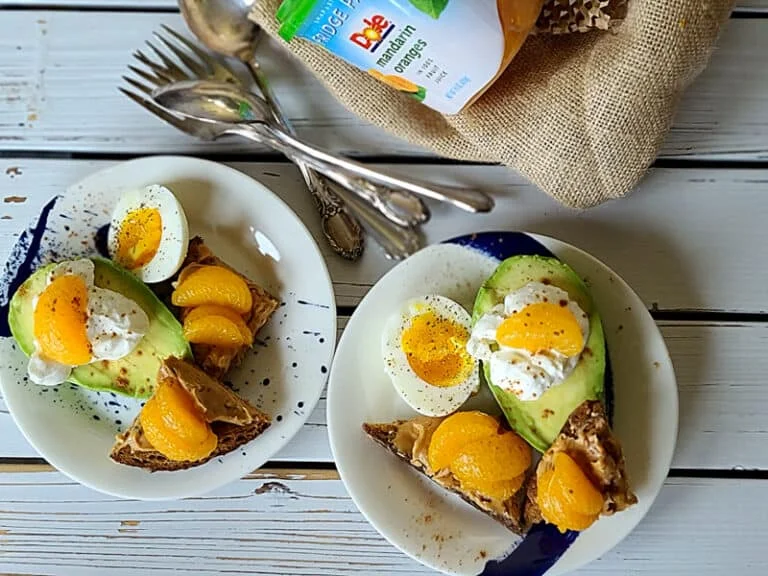
The secret behind sustained morning energy lies in balancing macronutrients—carbohydrates, proteins, and fats—alongside fiber and micronutrients like vitamins and minerals. Carbohydrates provide the initial energy boost, but when paired with proteins and healthy fats, they digest more slowly, preventing rapid blood sugar spikes and crashes. Additionally, fiber-rich foods aid digestion and keep you feeling fuller longer. Understanding these nutritional roles helps in crafting a breakfast bowl that truly energizes your day.
Choosing the Right Base for Your Breakfast Bowl
Whole Grains vs. Smoothie Bases
One common dilemma is deciding between a grain-based breakfast bowl or a smoothie base. Whole grains like oats and quinoa offer a robust texture and slow-releasing carbohydrates, making them excellent for steady energy. On the other hand, smoothie bases made from blended fruits and vegetables can be refreshing and nutrient-dense but may lack long-lasting satiety if not paired with other components. Selecting the right base depends on your energy demands and personal preference but aiming for fiber-rich options ensures a better nutritional foundation.
Preparing Oats, Quinoa, and Other Grains
Improper preparation can diminish the benefits of grains. For instance, instant oats often have added sugars and fewer nutrients compared to steel-cut or rolled oats. Cooking grains thoroughly enhances digestibility and nutrient absorption. Soaking or rinsing quinoa removes its natural bitter coating, improving flavor and texture. Taking the extra step to prepare these grains thoughtfully results in a more enjoyable and effective breakfast bowl.
Essential Protein Options
Plant-Based Proteins: Nuts, Seeds, and Legumes
Incorporating plant-based proteins such as almonds, chia seeds, flaxseeds, or chickpeas is a powerful way to boost protein intake while adding healthy fats and fiber to your breakfast bowl. These options not only provide sustained energy but also contribute to heart health and digestion. However, relying solely on plant proteins without variety may leave you lacking certain amino acids, so combining different sources is key.
Animal-Based Proteins: Yogurt, Eggs, and More
Animal-based proteins like Greek yogurt, cottage cheese, or hard-boiled eggs are rich in complete proteins that supply all essential amino acids. Adding these ingredients enhances muscle repair and keeps hunger at bay. However, it’s important to note that some options can be high in saturated fats or sugars, especially flavored yogurts, so choosing plain or low-fat versions is advisable to maintain a wholesome breakfast bowl.
Fruits and Vegetables to Boost Vitamins and Fiber
Seasonal Fresh Fruits for Natural Sweetness
Fruits add natural sweetness and essential vitamins like vitamin C, antioxidants, and dietary fiber that support overall health. Selecting seasonal fruits ensures higher nutrient content and better flavor. However, overloading your bowl with sugary fruits like bananas or mangoes may spike blood sugar levels. Balancing sweet fruits with lower-sugar options such as berries or apples can keep energy stable.
Incorporating Veggies into Breakfast Bowls
While often overlooked, vegetables can easily be integrated into savory breakfast bowls or even smoothies. Ingredients like spinach, kale, or shredded carrots introduce additional fiber, vitamins, and minerals without excessive calories. Including vegetables helps diversify your nutrient intake and supports digestive health, enhancing the overall balance of your meal.
Healthy Fats for Lasting Satiety
Avocado, Nut Butters, and Seeds
Healthy fats play a significant role in prolonging satiety and supporting brain function. Adding creamy avocado, natural nut butters, or a sprinkle of seeds such as pumpkin or sunflower seeds can provide these benefits. These fats also help the absorption of fat-soluble vitamins from your fruits and vegetables. However, because fats are calorie-dense, it’s important to moderate portions to avoid unnecessary excess calorie intake.
Balancing Fat Intake for Energy Without Sluggishness
While fats are crucial, consuming too much or the wrong kinds—like trans fats or excessive saturated fats—can cause sluggishness and negatively impact heart health. Aim for balance by combining moderate amounts of unsaturated fats with carbohydrates and proteins. This balance supports steady energy release without feeling weighed down.
Flavor Enhancers and Toppings
Spices, Sweeteners, and Crunchy Additions
Adding natural spices such as cinnamon, nutmeg, or ginger can elevate flavor without extra calories or sugar. Similarly, natural sweeteners like a drizzle of honey or maple syrup can enhance taste but should be used sparingly to avoid overpowering the health benefits. Crunchy toppings like granola or toasted coconut add texture and make the bowl more satisfying, but watch for hidden sugars and fats in pre-packaged options.
Creating Visual Appeal to Boost Appetite
Visual appeal influences how much we enjoy food and can stimulate appetite naturally. Arranging colorful fruits, evenly distributing toppings, and contrasting textures make your breakfast bowl more inviting. Taking the time to create a visually delightful meal encourages mindful eating and increases the likelihood of consuming a balanced, nourishing breakfast.
Sample Recipes: Balanced Breakfast Bowl Ideas
Sweet and Fruity Options
A simple sweet breakfast bowl might start with a base of rolled oats cooked in almond milk, topped with mixed berries, sliced banana, a spoonful of chia seeds for protein and fiber, and a sprinkle of cinnamon for flavor. This combination delivers carbohydrates for energy, antioxidants for health, and healthy fats to keep you full.
Savory and Protein-Packed Bowls
For those preferring a savory option, a quinoa base with sautéed spinach, avocado slices, a poached egg, and a light drizzle of olive oil makes a nutrient-dense bowl. This meal balances protein with fiber and healthy fats, ensuring lasting energy without the mid-morning slump often caused by carb-heavy breakfasts.
Tips to Customize Your Breakfast Bowl According to Lifestyle Needs
Adjusting for Weight Management
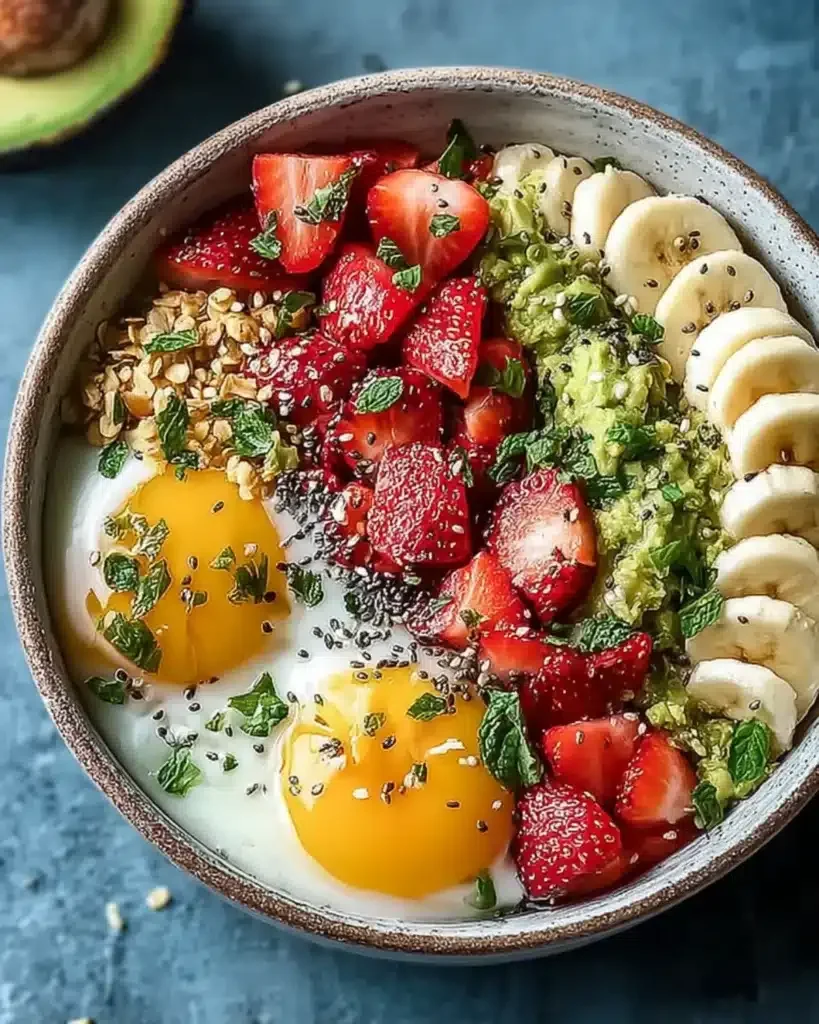
For weight management, controlling portion sizes and focusing on high-fiber, low-calorie ingredients is vital. Emphasizing vegetables and lean proteins while limiting added sugars or high-fat toppings helps create a satisfying bowl without excessive calories. Consistency and mindful eating lead to better long-term results.
Energy Needs for Active Mornings
If your mornings involve physical activity or intense mental work, increasing complex carbohydrates and protein in your breakfast bowl can enhance performance. Adding ingredients such as quinoa, nuts, and eggs provides sustained fuel and supports muscle recovery. Timing your meal to allow for digestion before activity also optimizes energy availability.
Common Mistakes to Avoid When Building Your Breakfast Bowl
Overloading on Sugars or Fats
A frequent error is piling on too many sweeteners, dried fruits, or fatty toppings, which can quickly turn a healthy breakfast into a calorie-dense meal lacking balance. These choices often lead to energy spikes followed by crashes, defeating the purpose of a sustained energy breakfast.
Ignoring Portion Sizes
Another pitfall is neglecting portion control. Even nutritious ingredients can contribute to weight gain or sluggishness if portions are too large. Carefully measuring or eyeballing balanced serving sizes ensures you get enough energy without feeling bloated or tired.


