
Understanding the Importance of a Personalized Daily Routine
How Routine Influences Stress Levels
Stress can sneak into our lives from various directions, often leaving us feeling overwhelmed and drained. One powerful way to manage these feelings is by establishing a daily routine tailored to your unique needs. When your day follows a predictable pattern, it can create a sense of control, which naturally soothes anxiety. A personalized routine helps in setting boundaries and expectations, reducing the mental clutter that contributes to stress.
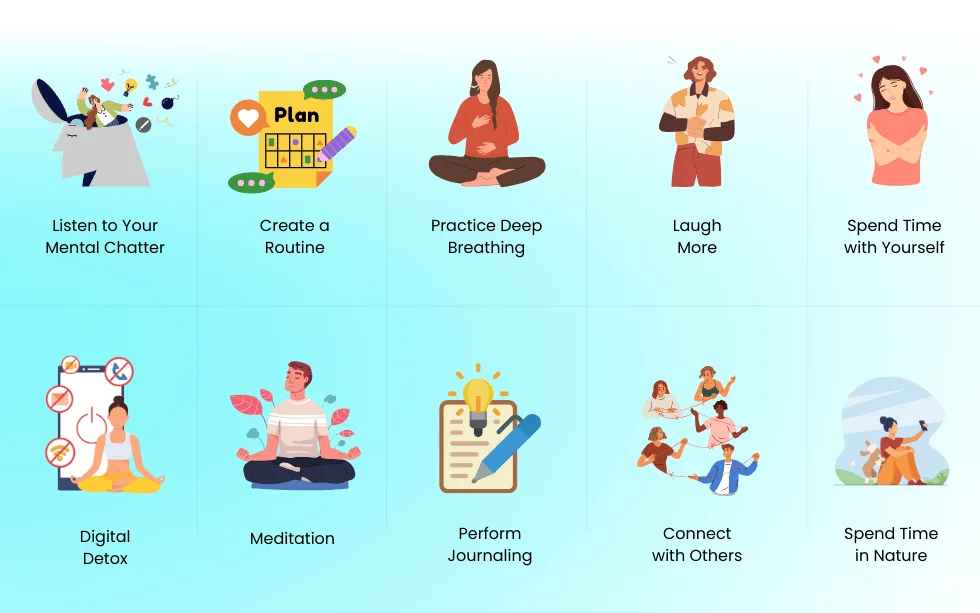
The Science Behind Stress Management at Home
Research shows that consistent routines can help stabilize the body’s stress responses. When home becomes a place of order and familiarity, it triggers the brain to relax, reducing cortisol levels—the hormone linked to stress. This is why adapting your daily activities to include calming habits at home is more than just a good idea; it’s a practical approach that aligns with how our minds and bodies work best.
Assessing Your Current Lifestyle and Stress Triggers
Identifying Stress Points in Your Day
Before you can build a stress-managing routine, it’s essential to understand what moments or activities tend to heighten your stress. It might be rushing through mornings, juggling work and family duties, or feeling isolated during the day. Taking time to notice these triggers can reveal patterns that are ripe for change.
Tools for Self-Reflection and Tracking

Journaling or using simple apps to record moods and energy levels throughout the day can offer valuable insight. Reflecting on your experiences doesn’t have to be time-consuming—just a few notes about when you feel most tense or relaxed can guide you toward effective adjustments. This self-awareness is the foundation of creating a routine that truly supports your well-being.
Step-by-Step Guide to Crafting Your Custom Stress-Reducing Routine
Morning Rituals to Set a Calm Tone
Starting your day on the right foot sets a positive tone that can ripple through every hour that follows. Consider integrating gentle stretches, a quiet moment of reflection, or simply savoring a cup of tea without distractions. These small actions can slow down the rush and prepare your mind for the day ahead. Personalizing this time to what feels nurturing for you is key.
Midday Break Strategies for Mental Clarity
Days can become a blur of tasks, making it easy to feel mentally drained by midday. Scheduling intentional breaks can reset your focus and prevent stress buildup. Whether it’s stepping outside for fresh air, practicing a few deep breaths, or enjoying a brief walk, these moments help re-center your thoughts and boost energy, so your afternoon feels more manageable.
Evening Practices to Unwind Effectively
How you end your day plays a vital role in managing stress and setting the stage for restful sleep. Establishing an evening routine that promotes relaxation can include dimming the lights, reading a favorite book, or jotting down thoughts in a gratitude journal. Avoiding screens and hectic activities before bedtime can also make a significant difference in your ability to unwind deeply.
Incorporating Mindfulness and Relaxation Techniques
Simple Breathing Exercises
Breathing is something we do automatically, but when done intentionally, it can be a powerful tool against stress. Techniques such as slow, deep breaths help activate your body’s natural relaxation response. You don’t need a lot of time—just a few intentional breaths during stressful moments can bring calmness and clarity.
Using Meditation and Visualization at Home
Meditation and visualization can feel intimidating at first, but even brief sessions can dramatically ease tension. Creating a quiet spot to sit comfortably and focus on calming images or affirmations taps into your mind’s ability to soothe itself. Tailoring these practices to your personal preferences helps in making them a regular and enjoyable part of your day.
Adapting Your Environment for Stress Relief
Creating a Soothing Space
Your immediate surroundings greatly impact how you feel. Dedicating a corner of your home to relaxation—whether it’s with soft lighting, comfortable seating, or simple decor—can become a sanctuary during hectic days. This space acts as a visual and sensory cue to slow down and breathe.
Utilizing Aromatherapy and Ambient Sounds
Scents like lavender or chamomile and gentle background sounds can influence mood profoundly. Incorporating these elements thoughtfully can enrich your stress-relief routine. Whether it’s an essential oil diffuser or a playlist of nature sounds, these small environmental touches support a calm mindset and complement your daily practices.
Maintaining Consistency and Adjusting Your Routine Over Time
Tips for Staying Motivated
Building a new routine takes effort, and it’s normal to face ups and downs. Celebrating small victories and being kind to yourself when you slip are important. Keep your routine flexible enough to accommodate changes without guilt. Re-visiting your goals and reminding yourself why you started can also renew your commitment.
Evaluating and Tweaking Your Routine to Suit Changing Needs
Your life and stress triggers may shift over time, and your routine should evolve too. Periodic check-ins with yourself can reveal what’s working and what might need adjustment. Being open to change keeps your routine relevant and effective, ensuring it remains a supportive part of managing stress at home for the long haul.


