
Why Incorporate Stretching Into Your Workday?
Health Benefits of Short Stretching Sessions
Incorporating brief stretching routines into a busy workday can significantly contribute to overall well-being. Even short sessions help increase blood flow to muscles, reducing stiffness and the risk of discomfort associated with prolonged sitting. Stretching aids in maintaining flexibility, which supports better posture and may decrease the chances of developing musculoskeletal issues. These brief interruptions also encourage movement, which benefits circulation and energy levels throughout the day.
Impact on Productivity and Focus
Beyond physical health, short stretching breaks are known to have a positive effect on mental clarity and productivity. Taking a moment to stretch allows the mind to reset, reducing stress and preventing cognitive fatigue. This renewed focus often translates into improved concentration and efficiency when returning to work tasks. Thus, allocating time to stretch can create a cycle of increased energy and sharper attention, which ultimately supports professional performance.
Assessing Your Workday for Stretching Opportunities
Identifying Natural Breaks
The first step in incorporating stretching into your workday is identifying moments that naturally allow for movement. Look for breaks between meetings, at the end of a task, or during any transition periods. Even brief pauses, such as waiting for a file to upload or a response from a colleague, can offer chances to stand and stretch. Mapping these moments helps in planning when to fit a 10-minute routine without disrupting workflow.
Workspace Setup Considerations
The layout of your workspace can either facilitate or hinder stretching breaks. A clutter-free area with enough room to move is ideal. Consider incorporating standing desks or adjustable chairs that allow for easy repositioning. Having a clear space nearby encourages a smooth transition into stretching without wasting time reorganizing. Optimizing your work setup also reduces the likelihood of skipping stretching due to inconvenience.
10-Minute Stretching Routine Examples
Morning Energizing Stretches
Starting the day with a gentle but invigorating stretch routine can set a positive tone. Begin with neck rolls and shoulder stretches to release overnight tension. Follow with side stretches to awaken the torso, and finish with leg stretches to stimulate blood flow. These movements, performed gradually, activate the body and prepare it to meet the demands of the day ahead.
Midday Relaxation Techniques
Midday stretching routines serve as a valuable reset during peak work hours. Focus on areas prone to tightness, such as the lower back and hips. Incorporate deep, slow stretches to encourage relaxation and reduce accumulated stress. Simple seated forward bends or spinal twists can be effective in alleviating discomfort caused by prolonged sitting. Such techniques also help calm the mind and ease tension.
Post-Work Wind Down Stretches
At the end of the workday, stretches should aim to unwind both mind and body. Gentle chest and arm stretches counteract the forward-leaning posture common during desk work. Incorporate hip openers and calf stretches to prepare for rest. Slow, deliberate breathing during these stretches enhances relaxation, signaling the transition from work mode to personal time.
Tips for Staying Consistent with Stretching
Using Technology: Alarms, Apps, and Reminders
Consistency can be a challenge, especially when managing a busy schedule. Leveraging technology offers an effective way to stay on track. Setting alarms or using reminder apps creates structured prompts to pause and stretch. Some applications even provide guided stretching routines tailored to time constraints, making it easier to integrate breaks seamlessly. This external cue reduces the chance of forgetting and encourages regular movement.
Involving Colleagues and Building Accountability
Engaging coworkers in stretching breaks adds a social element that can boost motivation. When stretching becomes a shared activity, it fosters a supportive environment and accountability. Working together, colleagues can encourage each other to prioritize movement and turn it into a group habit. This not only enhances consistency but also strengthens workplace relationships.
Modifications for Different Work Environments
Desk-Based Stretching
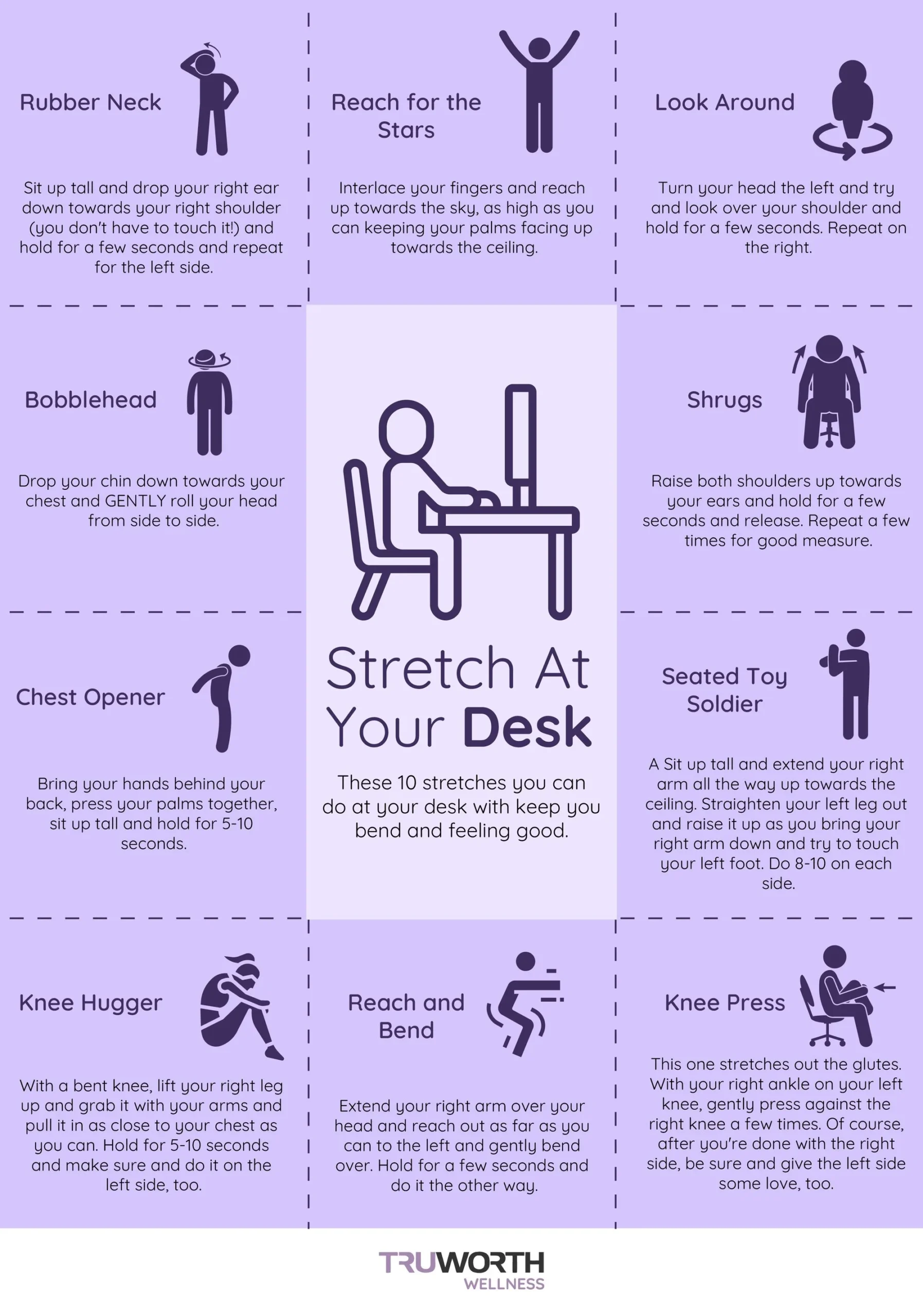
For those working primarily at a desk, stretches can be adapted to fit the constraints of a seated position. Simple stretches such as wrist extensions, neck tilts, and seated spinal twists require minimal space and can be done without standing. These modifications make it possible to maintain flexibility and reduce tension without leaving the workstation, which is particularly useful when time is limited.
Stretching in Shared or Open Offices
In shared workspaces, privacy and noise considerations may limit certain movements. Stretching routines in these settings benefit from exercises that are subtle and quiet, such as gentle shoulder rolls or calf raises. Finding a designated quiet corner or using break rooms during less busy times can also provide more freedom for a fuller routine. Respecting the office environment while still prioritizing movement ensures comfort for all.
Measuring the Benefits Over Time
Tracking Physical and Mental Improvements
Noticing progress can reinforce the habit of regular stretching. Keeping a simple journal or log of how often you stretch and noting any changes in muscle tightness, posture, or stress levels helps in recognizing positive outcomes. Over time, these observations highlight the connection between stretching and improved comfort or focus, making it easier to maintain the routine.
Adjusting Your Routine as Needed
As work demands and physical needs change, so should your stretching routine. Periodically reassessing which stretches feel most beneficial allows the practice to remain effective and enjoyable. Adding variety or targeting new areas of tension prevents monotony and addresses evolving discomforts. Flexibility within the routine ensures it stays aligned with your daily responsibilities and personal wellness.


