
Understanding the Impact of Seasonal Changes on Fitness Motivation
How Weather Affects Energy and Mood
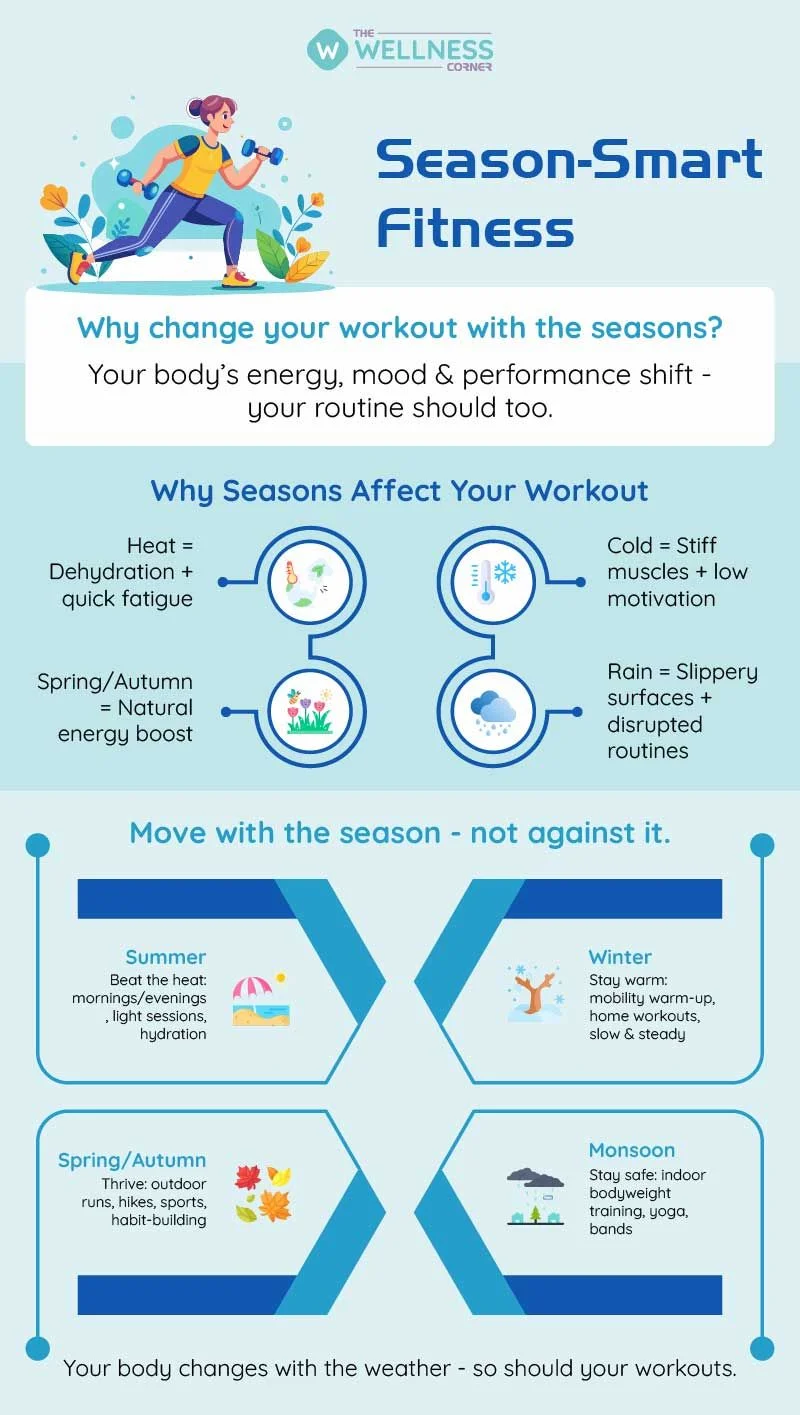
Seasonal changes bring fluctuations in daylight, temperature, and weather conditions, which directly influence our energy levels and mood. Shorter days and colder weather often reduce enthusiasm for physical activity, while warmer seasons with more sunlight tend to boost energy and motivation. These natural shifts can either encourage or hinder your home fitness routine depending on how you respond.
Common Challenges During Different Seasons
Each season presents unique obstacles. Winter can bring feelings of lethargy and increased sedentary behavior due to outdoor discomfort. Spring and fall may offer unpredictable weather, complicating workout schedules. Summer heat sometimes leads to exhaustion or dehydration. Recognizing these challenges early helps in preparing strategies to stay consistent throughout the year.
Creating a Flexible Home Fitness Plan for All Seasons
Adapting Workouts for Seasonal Variations
A one-size-fits-all workout plan often fails during seasonal shifts. Adjusting activity intensity and type based on weather conditions is essential. For colder months, incorporate more indoor cardio and strength training. During warmer periods, outdoor running or cycling can be refreshing and motivating. Flexibility ensures your routine remains engaging and achievable regardless of the season.
Incorporating Indoor and Outdoor Exercises
Balancing both indoor and outdoor workouts expands your options and prevents monotony. On mild days, outdoor sessions can enhance mood through fresh air and sunlight. When conditions are less favorable, indoor exercises like yoga, HIIT, or bodyweight circuits keep you active. This balance not only supports physical health but also maintains mental stimulation.
Techniques to Boost Motivation When Seasons Change
Setting Realistic and Season-Specific Goals
Motivation wanes when goals feel unattainable, especially during challenging seasons. Tailoring objectives to fit seasonal realities—such as focusing on flexibility and balance in winter instead of long runs—makes goals more manageable. Celebrating small achievements within these frameworks sustains momentum and builds confidence.
Using Technology and Apps for Accountability
Fitness apps and wearable devices offer valuable structure and encouragement. Tracking progress, setting reminders, and joining virtual challenges create accountability. Technology not only monitors activity but also fosters a sense of community, which is particularly useful when external motivation dips during certain seasons.
Designing Your Home Workout Space for Year-Round Use
Optimizing Space for Comfort and Functionality
A dedicated, well-organized workout area encourages consistency. Even a small corner can be transformed with minimal equipment and proper lighting. Prioritize comfort and accessibility, ensuring the space is inviting regardless of season. Proper ventilation in summer and heating in winter help maintain a pleasant environment, making workouts easier to start and finish.
Seasonal Gear and Accessories to Enhance Your Routine
Investing in appropriate equipment enhances performance and safety. Warm workout clothing, mats, or resistance bands tailored to your space improve the experience. Seasonal accessories, like fans or space heaters, can regulate the environment. These thoughtful additions eliminate excuses and support year-round engagement.
Nutrition and Lifestyle Tips to Support Consistency
Adjusting Diet to Seasonal Needs
Nutrition plays a vital role in sustaining energy for workouts. Seasonal foods rich in vitamins and minerals complement your fitness goals and boost immunity. During colder months, focus on warming, nutrient-dense meals, while in warmer seasons, lighter, hydrating options aid recovery. Tailoring your diet helps maintain stamina and supports overall well-being.
Importance of Sleep and Stress Management
Quality sleep and effective stress management are often overlooked but critical for fitness adherence. Seasonal changes can disrupt sleep patterns and increase stress, undermining motivation. Prioritizing rest, practicing relaxation techniques, and maintaining a balanced lifestyle ensure your body is prepared for regular exercise.
Success Stories: How People Maintain Their Fitness Through Seasonal Changes
Many individuals adapt successfully by embracing seasonal flexibility. For example, Sarah switches from outdoor running in summer to indoor yoga in winter, keeping her routine fresh. Mark uses fitness apps to stay accountable during dark months, while Priya designs a cozy home gym space to combat cold weather reluctance. These examples highlight the power of adaptability and planning.
Conclusion: Embracing Change to Strengthen Your Fitness Journey
Seasonal changes are inevitable but need not derail your fitness progress. Understanding their impact, creating adaptable plans, and maintaining motivation through realistic goals and supportive environments help you stay consistent. By embracing the unique rhythms of each season, your home fitness routine becomes not just sustainable but enriching year-round.


