
Understanding the Importance of Layering in Fall
Why Fall Weather Demands Flexible Clothing Choices
As the leaves begin to change and the crisp air settles in, fall is the season of unpredictability. One morning might start out chilly, prompting the need for a warm jacket, but by midday, the sun can make the temperature soar unexpectedly. This fluctuating weather makes it tricky to pick a single outfit that keeps you comfortable all day long. Instead, layering becomes the key to adapting—allowing you to add or remove pieces as the conditions change without sacrificing comfort or style.

Benefits of Layering: Warmth, Style, and Practicality
Layering offers more than just functional warmth; it opens opportunities to express style creatively. Each layer can showcase texture, color, or pattern, turning simple pieces into a dynamic outfit. Beyond aesthetics, it stretches the usability of your wardrobe by mixing and matching various items, making it practical for long fall weekends spent outdoors or transitioning from work to evening plans. Flexible layering means you’re prepared for sudden rain, breezes, or sun without the hassle of carrying extra bulk or sacrificing your look.
Essential Base Layers for Fall
Choosing the Right Fabrics for Comfort
Starting with a well-chosen base layer can make all the difference between staying warm and feeling clammy. Fabrics like cotton blends and lightweight merino wool are excellent because they breathe while providing insulation. For example, a friend of mine swears by silk-blend long-sleeve tees on damp fall days in New England to keep moisture off the skin. Avoid heavy or synthetic materials that trap sweat, as they can quickly become uncomfortable as temperatures fluctuate.
Top Base Layer Pieces to Stock Up On
A good collection of base layers includes long-sleeve tees, thin turtlenecks, and fitted button-down shirts. These pieces act like a reliable foundation to your outfit and can sometimes double as standalone tops on warmer fall days. I often see people layering a neutral-toned long-sleeve tee under a plaid shirt or chunky sweater, allowing them to peel off the heavier layer if it warms up, yet still look put-together.
Mid-Layers: Combining Insulation and Style
Knitwear, Light Sweaters, and Shirts
The mid-layer is where insulation and fashion meet. Lightweight knitwear such as cashmere or cotton sweaters add warmth without bulk. Button-up shirts in thicker fabrics like flannel work well here too, not only for comfort but for adding depth to your outfit. For example, layering a thin crewneck sweater over a chambray shirt creates a classic, effortlessly stylish vibe. A colleague once layered a lightweight cardigan over a striped tee for a casual Friday, striking a perfect balance between warmth and professionalism.
Mixing Textures for Visual Interest
Incorporating different textures in your mid-layers can elevate your look instantly. Pairing a soft knit with crisp cotton or adding a suede shirt jacket introduces contrast that feels both cozy and sophisticated. I recall a fall gathering where someone paired a chunky cable-knit sweater with smooth, sleek leather pants—the juxtaposition created a memorable outfit that felt seasonally appropriate yet fresh and modern.
Outer Layers: Protection Against the Elements
Versatile Jackets and Coats for Fall
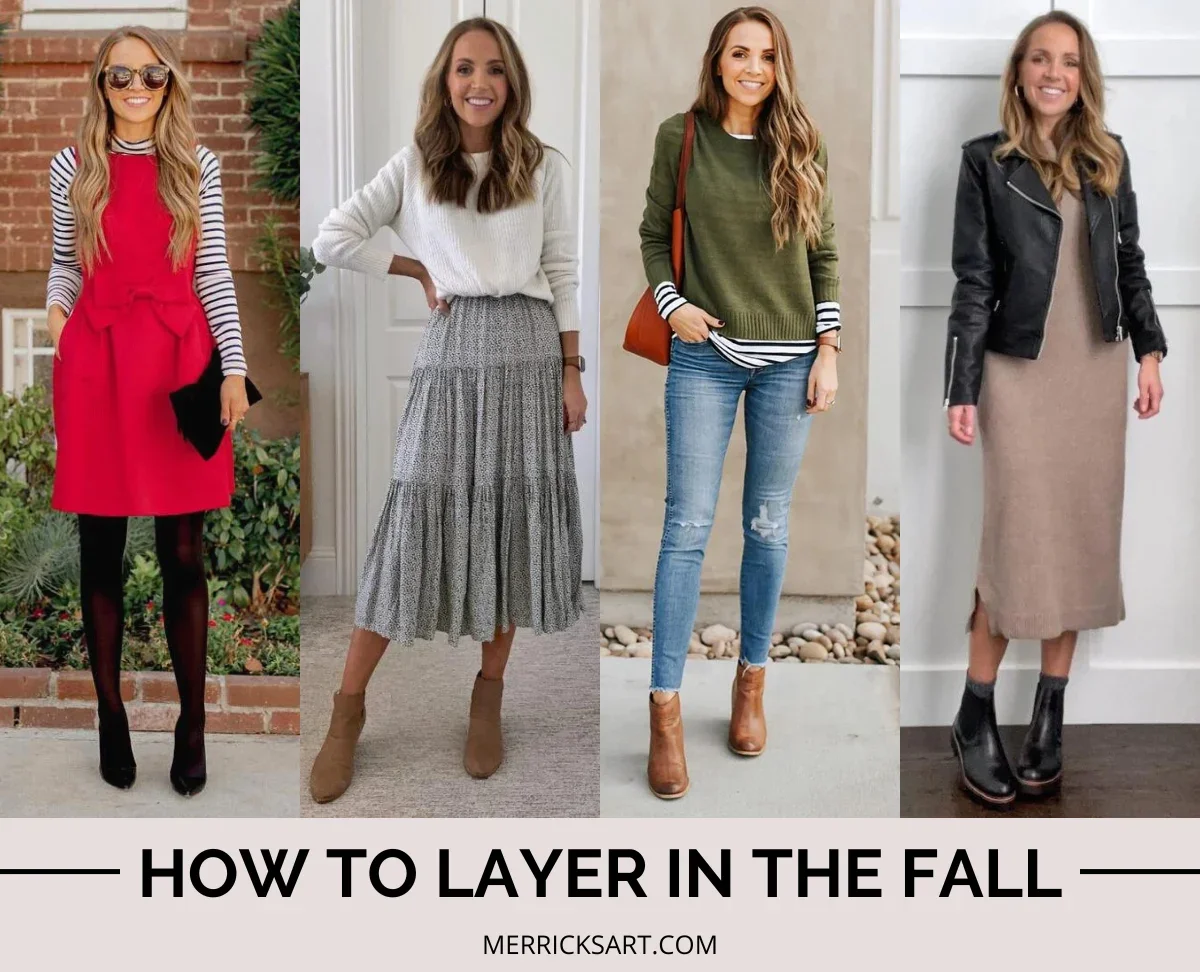
The right outer layer doesn’t just finish your outfit; it protects you from rain, wind, and chill. Popular options include trench coats, lightweight parkas, and tailored wool coats. One friend relies on a classic trench for unpredictable fall days in London—it’s water-resistant, stylish, and can be layered over both casual and formal outfits, showcasing the versatility outerwear can bring.
Water-Resistant and Windproof Options
On blustery or wet days, choosing a jacket with water-resistant and windproof features is essential. Brands now offer stylish designs that don’t sacrifice fashion for function, such as sleek, insulated shell jackets that compress easily into a bag when not needed. Having such an option ensures that you can stay outside longer, whether running errands or commuting, without the discomfort of damp or freezing conditions.
Styling Tips for Layering Like a Pro
Color Coordination and Pattern Mixing
Successfully layering involves more than piling on clothes—it’s an art. Thoughtful color coordination can tie different pieces together seamlessly. For instance, starting with earth-toned base layers and introducing jewel tones or subtle plaids in mid- and outer layers creates a harmonious yet interesting palette. Don’t shy away from mixing patterns either; a striped shirt under a plaid jacket can work beautifully when the colors complement each other. I once styled a friend with a floral scarf and striped sweater, and the unexpected pairing added unique flair without clashing.
Balancing Bulk and Silhouette
One common challenge is avoiding the dreaded bulky “puffy” look. Focus on balancing slimmer base layers with more voluminous mid and outer layers or vice versa. For example, if you wear a thick knit sweater, pair it with a streamlined jacket and slim-fit jeans. This balance creates a flattering silhouette and ensures mobility and comfort. Paying attention to proportions can make all the difference in appearing polished rather than overwhelmed by fabric.
Accessorizing to Enhance Layered Looks
Scarves, Hats, and Gloves for Added Warmth
Accessories are not only functional but can also transform the vibe of your layered outfit. A cozy scarf can add both warmth and a pop of color or pattern. For instance, a chunky knit scarf in a bright hue can brighten an otherwise neutral outfit on a dreary fall day. Hats—beanies, felt fedoras, or berets—shield you from cold winds while elevating your style. Gloves with touchscreen capability allow you to stay connected on your devices without exposing your hands to the cold.
Using Accessories to Add Color and Texture
Beyond warmth, accessories offer a quick way to experiment with textures and tones. Leather gloves paired with a wool coat introduce a tactile contrast. A velvet headband can add a subtle shine that elevates a casual look. Last fall, I advised someone to add a patterned silk scarf to a layered outfit, and it completely refreshed their look, proving that small details can have a big impact.
Adapting Your Layering Style to Weather Changes
Quick Layer Removal and Addition Strategies
Mastering layering means mastering flexibility. Wearing easily removable items like zip-up sweaters or button-down shirts helps adjust your outfit on the go without fuss. Carrying a lightweight packable jacket in your bag or keeping a knit vest handy can shift your warmth level throughout the day. I remember a commuter friend who mastered this technique—starting her day with a thermal vest under a blazer, then swapping the vest for a scarf at midday, ensuring she stayed comfortable all day.
Planning Outfits Based on Daily Forecasts
Finally, a practical step is to make checking the weather forecast part of your morning routine and planning your layers accordingly. If the forecast predicts a chilly morning but a mild afternoon, aim for layers you can peel off or add without hassle. Preparing a small tote or backpack to stash any removed pieces can keep your outfit neat and maintain your style throughout the day. This planning mindset turns unpredictable fall weather from a style challenge into an opportunity to showcase your sartorial savvy.


