
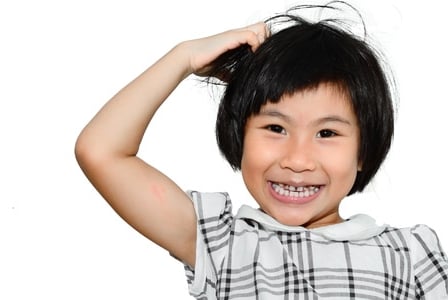
Homework isnt the only thing that kids dread bringing home from school. Lice can be a very common problem for children and can spread in school settings.
Homework isn’t the only thing that kids dread bringing home from school. Lice—those pesky, wingless, tiny insects that live on scalps—can be a very common problem for children and can spread in school settings. However, though annoying, they’re not dangerous and can be prevented and treated with relative ease.
What are lice, anyway?
Lice (the plural of louse) are very small insects that live on heads and feed on blood from the scalp (gross, we know!). Easily contagious, they’re known to cause outbreaks in schools among children—generally more so than adults because kids are often in closer contact and share more items. Signs of head lice include scratching and itching; tiny yellow, tan, or brown dots on the scalp (which are nits, or lice eggs); and small red bumps or sores on the scalp. You may also be able to see the lice themselves.
Prevention is key!
Notoriously contagious, lice spread through head-to-head contact, and by sharing clothing, hair accessories, brushes or combs, hats, and bed linens, so make sure your child knows not to share these items.
Treating head lice
If lice are found on your child’s scalp, act fast!
- Contact your child’s school to let them know, so they can prevent further outbreak. Your child will need to stay home from school while he or she has lice.
- Then contact your health care practitioner for a personalized, targeted approach. Specialized shampoos and rinses exist to help destroy lice and nits. Natural treatments include shampoos with tea tree oil, or vinegar rinses, which can be found at natural health stores. However, do not mix different types of treatments, and always check with your health care practitioner before starting any sort of treatment.
- Lastly, wash all bed linens and clothing at a high temperature, dry clean anything that cannot be washed or place in airtight bags for three days, vacuum carpets, and dispose of or wash all hair accessories in hot water.
Also make sure that your child knows not to be embarrassed—head lice do not mean that they’re dirty. It’s just an annoying problem that many children (and adults) face!


